
This is a secret page on the website so that I can show off the family photos from Belize alongside the normal album. Enjoy!
Belize & Guatemala – Family Album
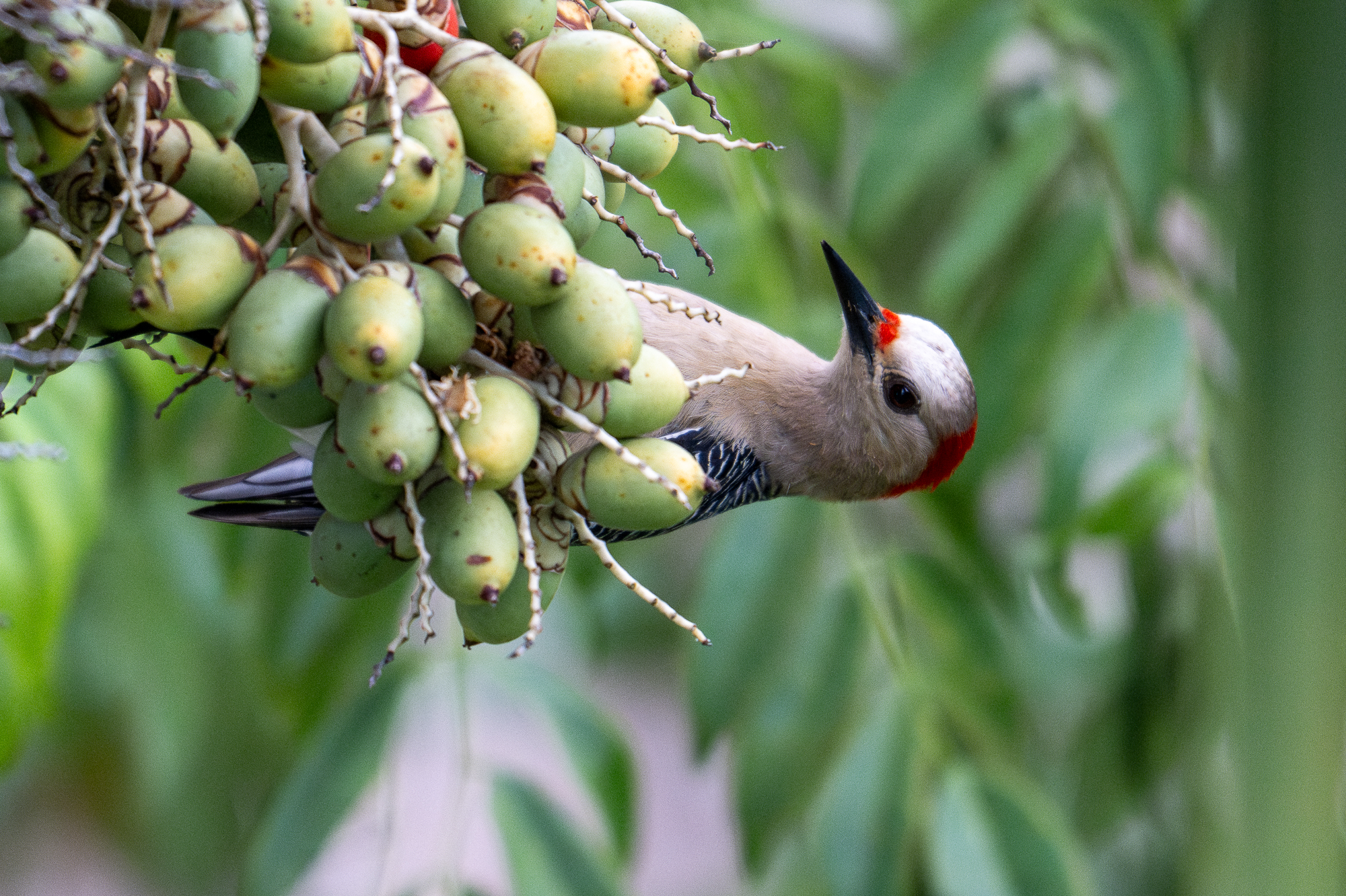
A golden-fronted woodpecker greeted me to Belize on our first morning
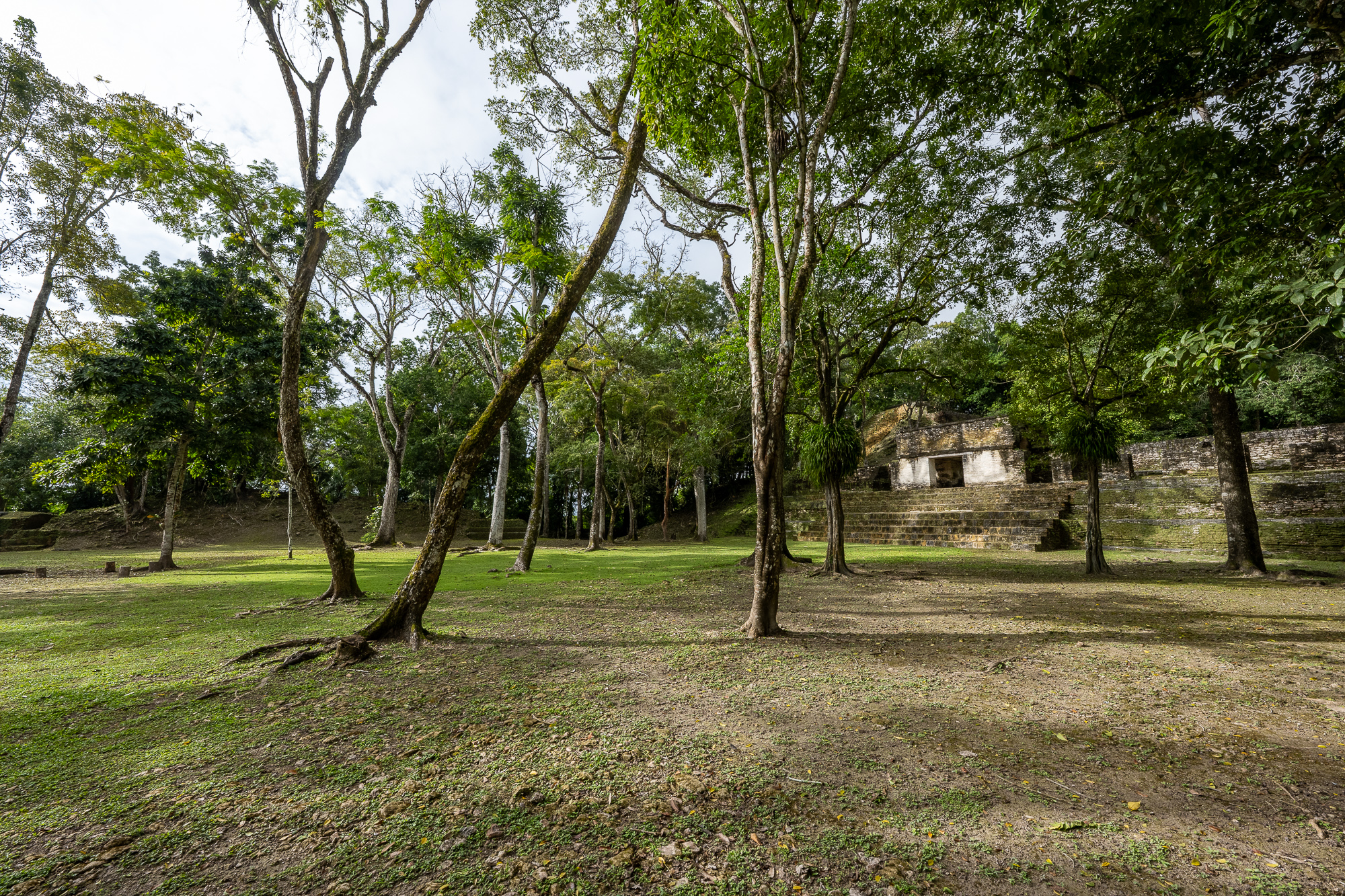
Right next to our resort was a small Mayan ruins called Cahal Pech. While the family slept off a long travel day, I got up early to explore.
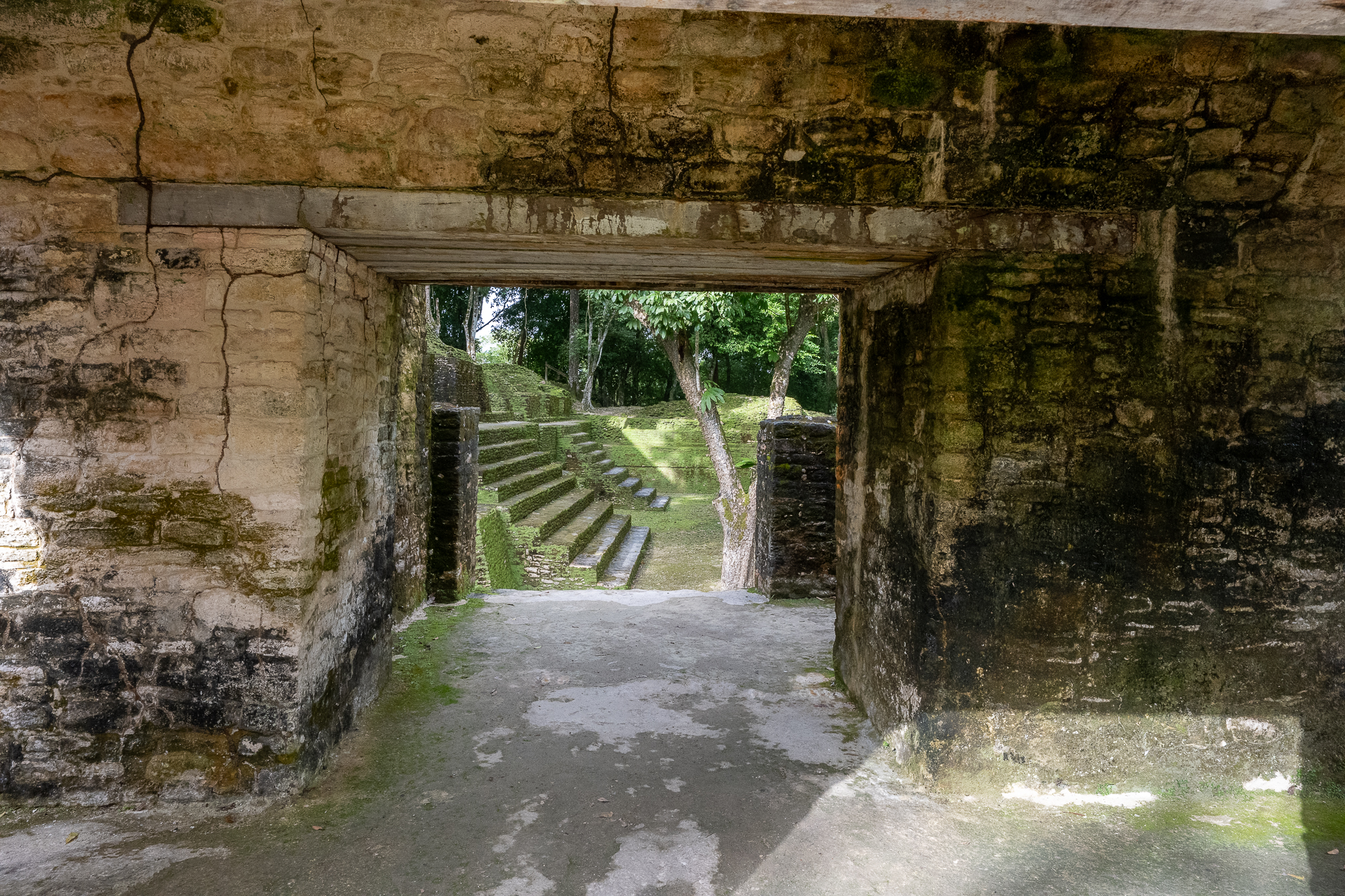
Cahal Pech means the place of ticks in the Mayan language. Ticks are among my very least favourite animals so had I known that before my visit I may have been more uncomfortable visiting, but thankfully I never encountered any!

A mabel orchard orbweaver
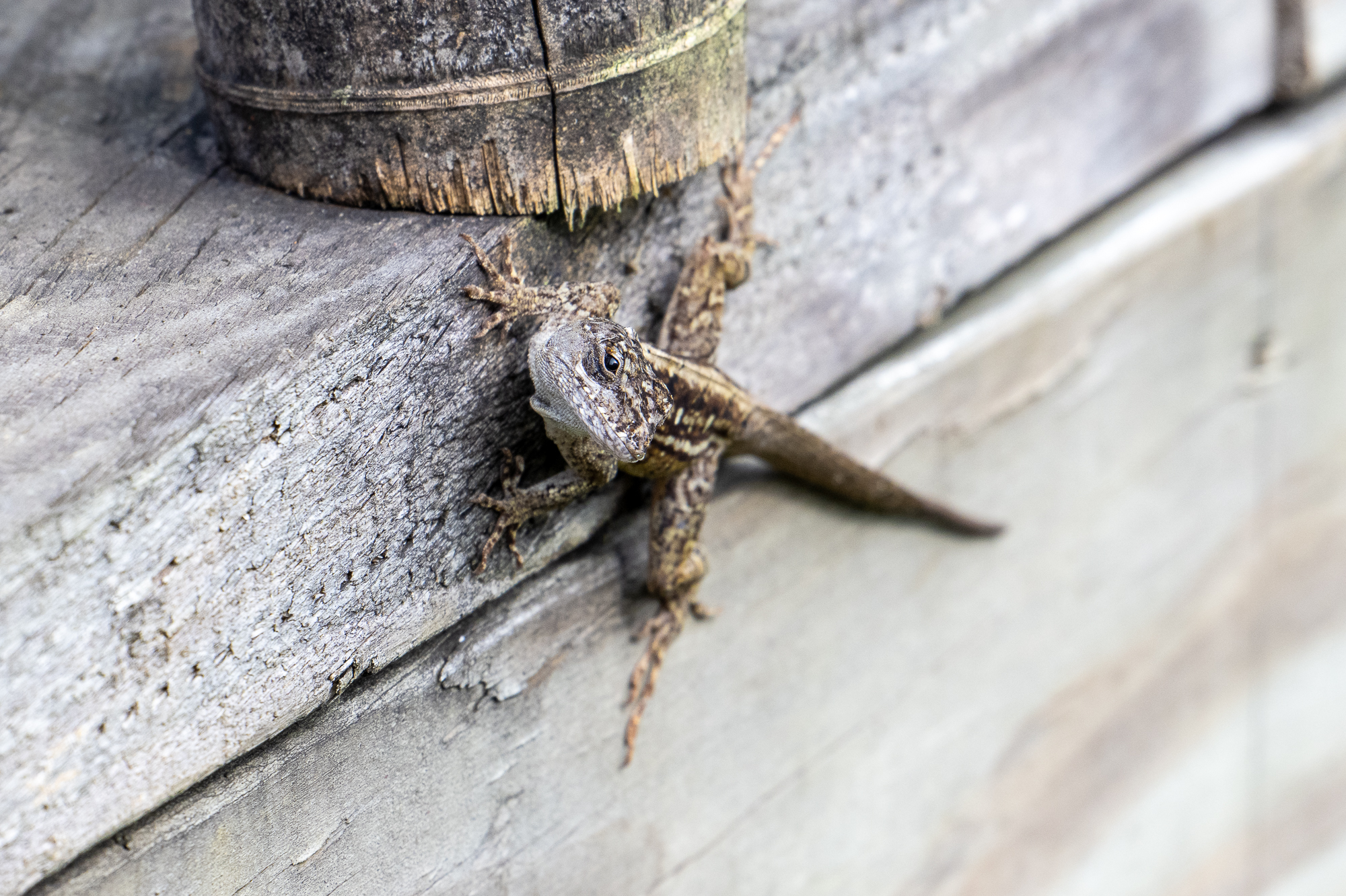
A ghost anole next to our hotel pool in San Ignacio
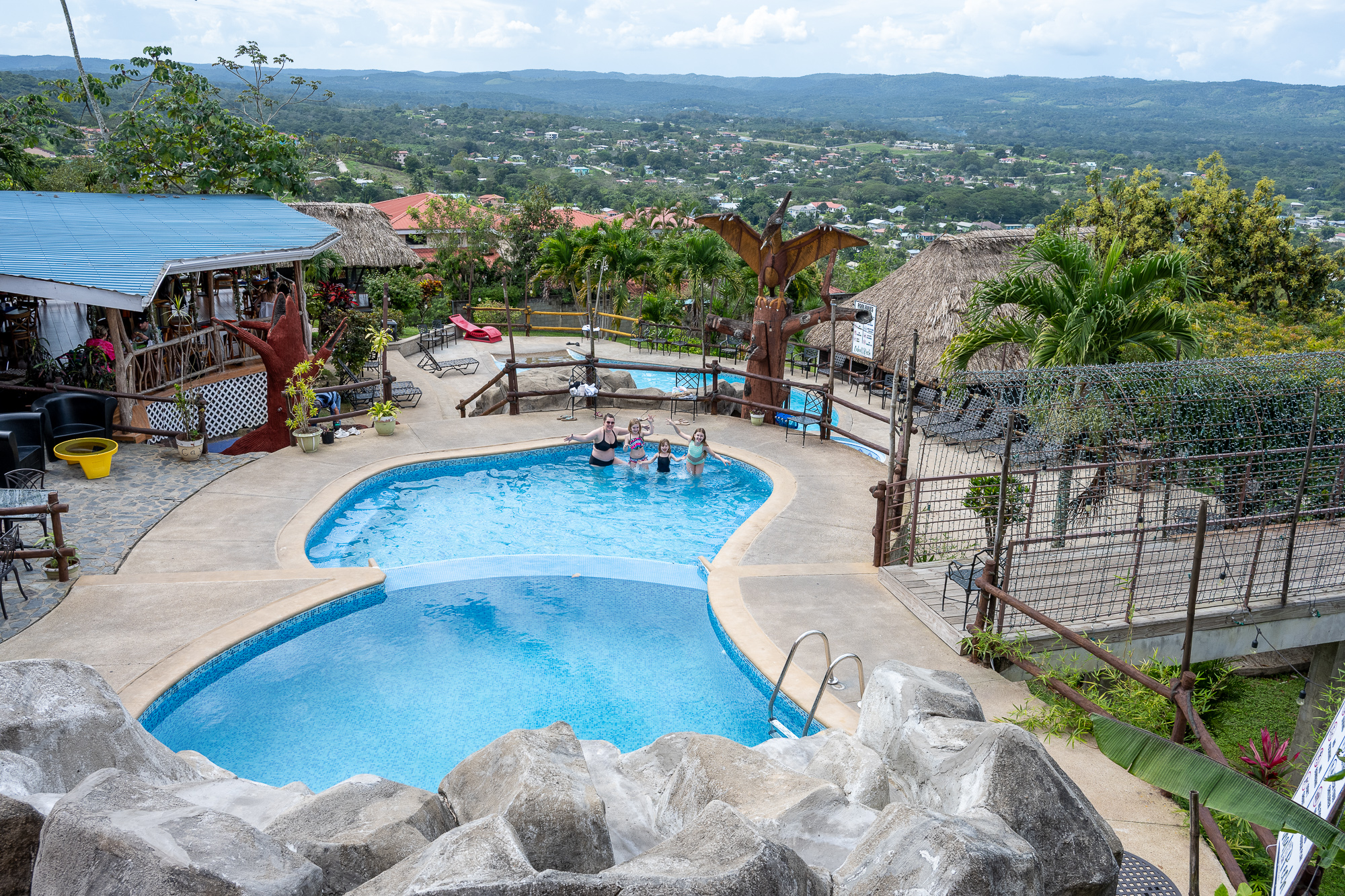
My girls enjoying the pool in San Ignacio. It was sometimes a little grey and overcast during our trip - but being Canadians in February, we were in the pool whenever we could be!
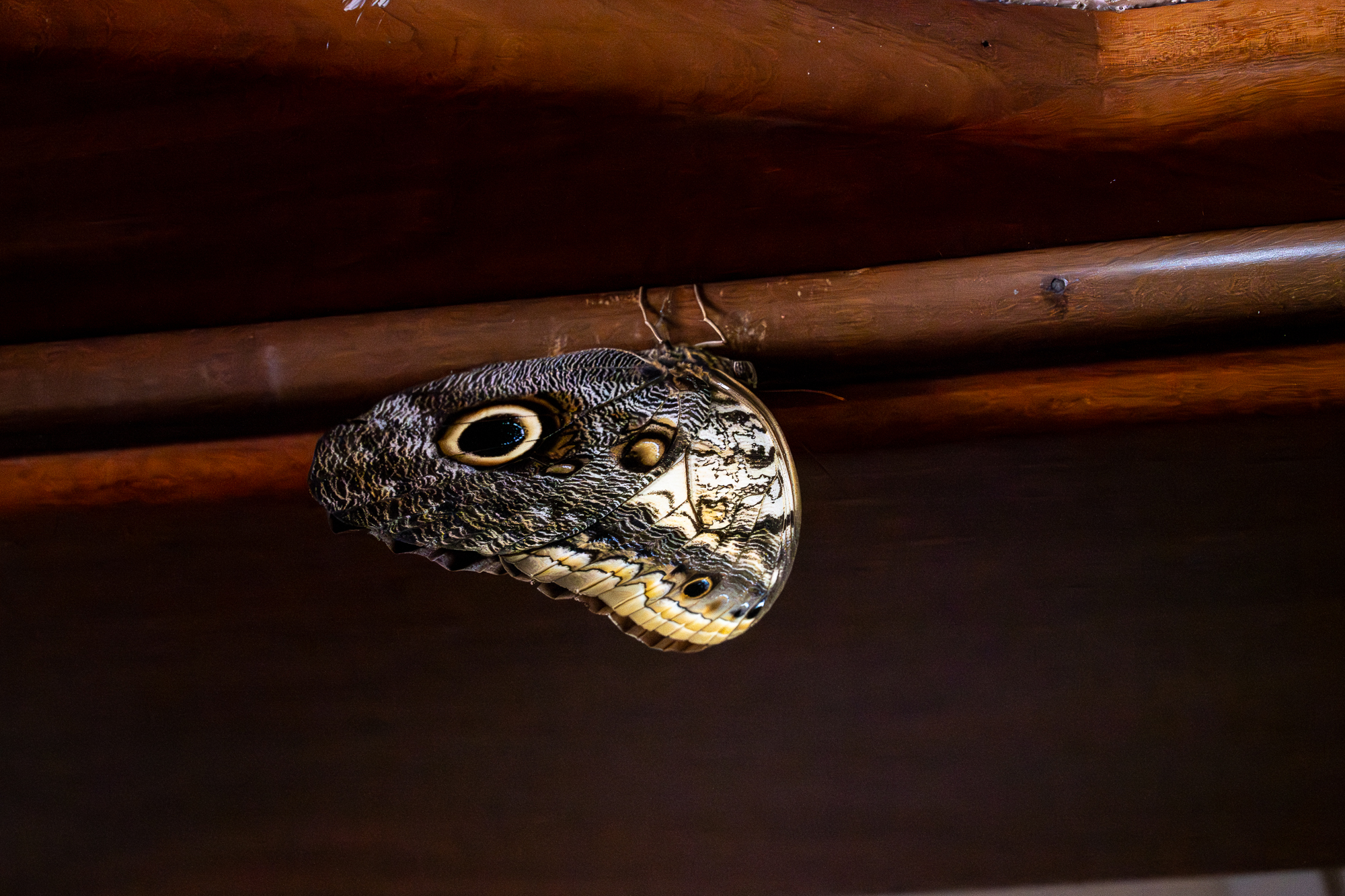
A giant butterfly (a pale owl-butterfly) with wings as big as my fist
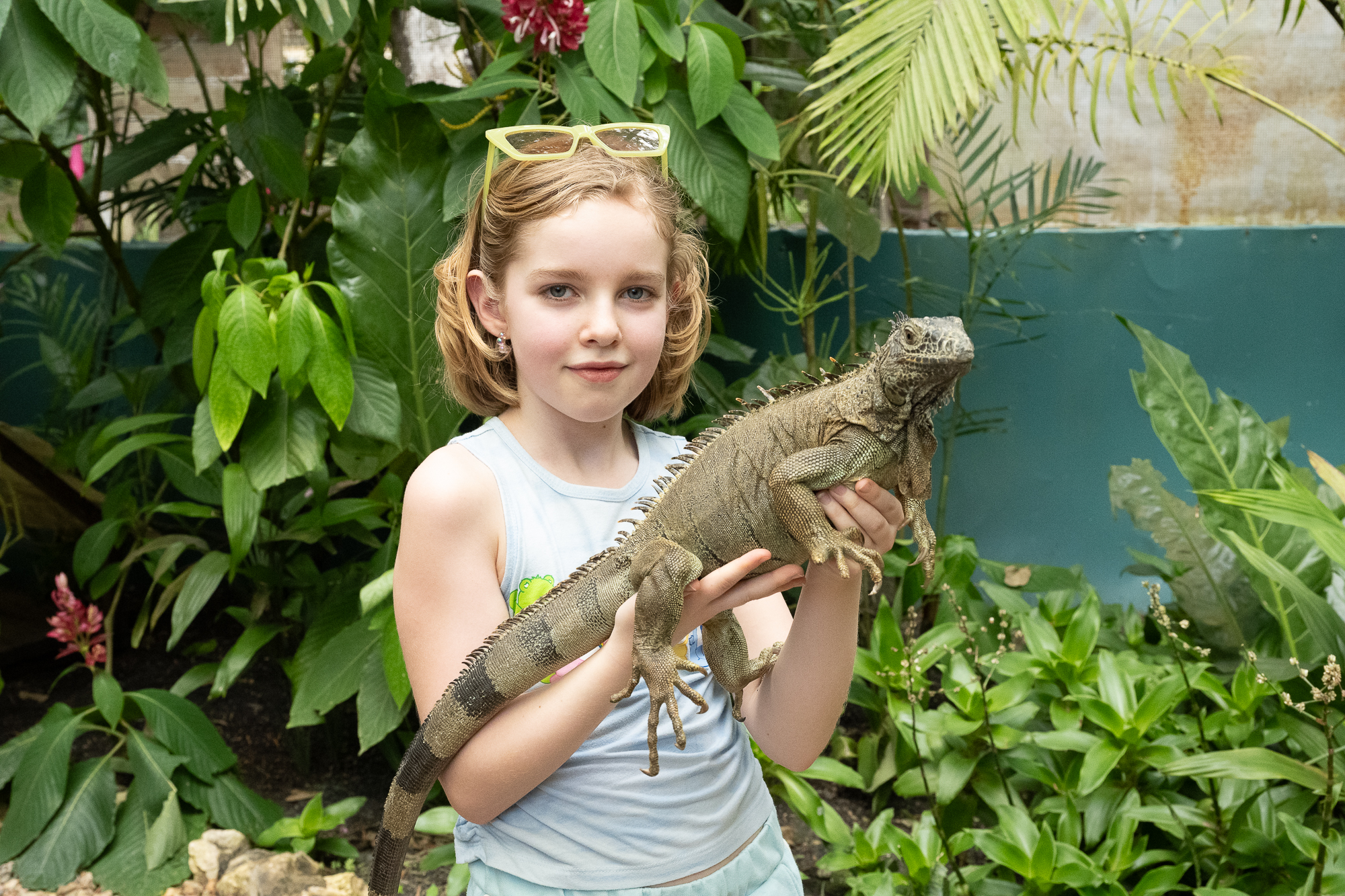
Imogen has developed a great love for lizards in the last year so getting to hold an iguana at the Green Iguana Conservation Project in San Ignacio was a huge highlight of the trip for her.
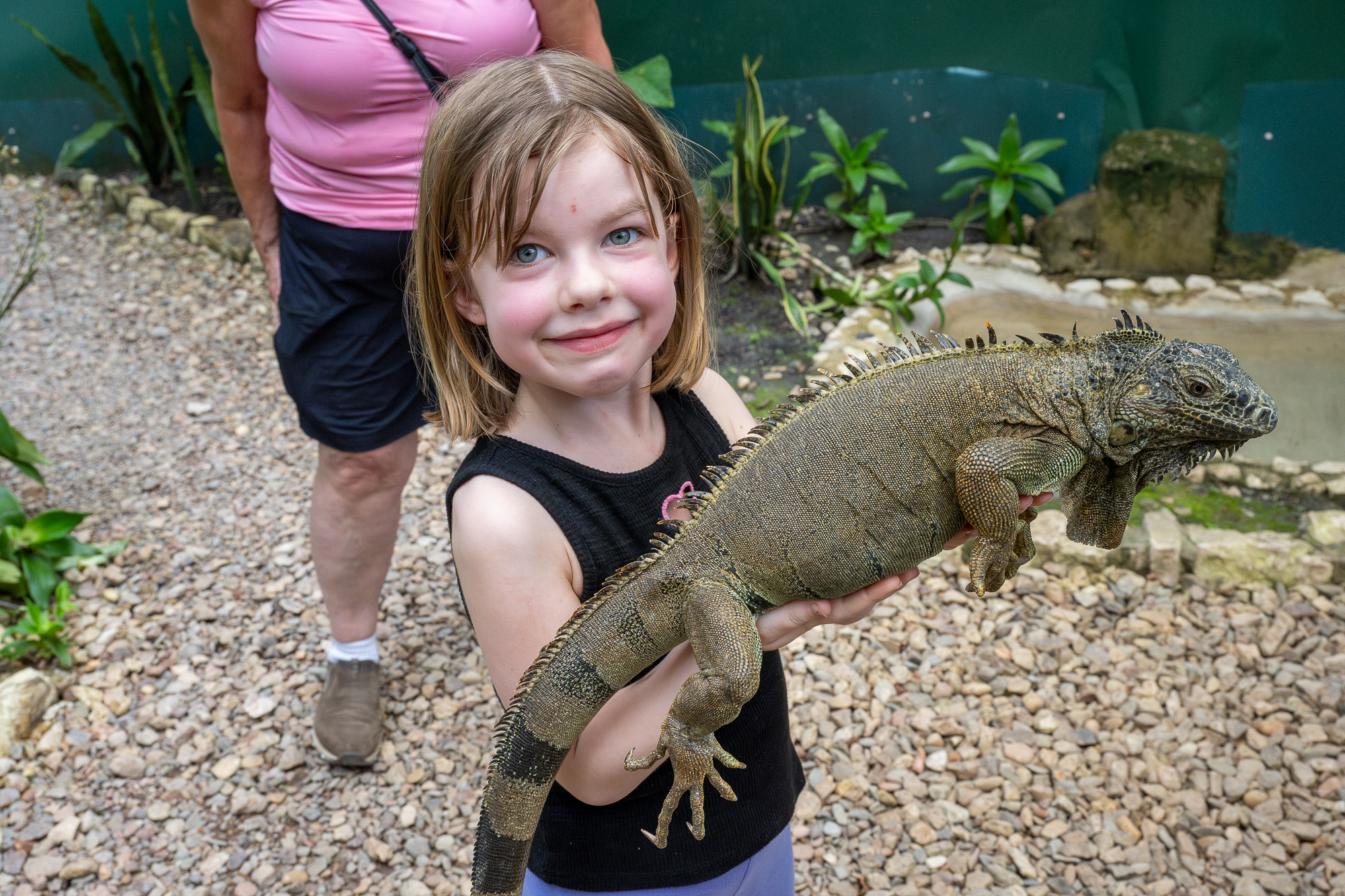
Not to be outdone, Leighton also showed off her iguana handling skills. Only I had challenges with this - with Imogen having to show me how the lizards like to be held.
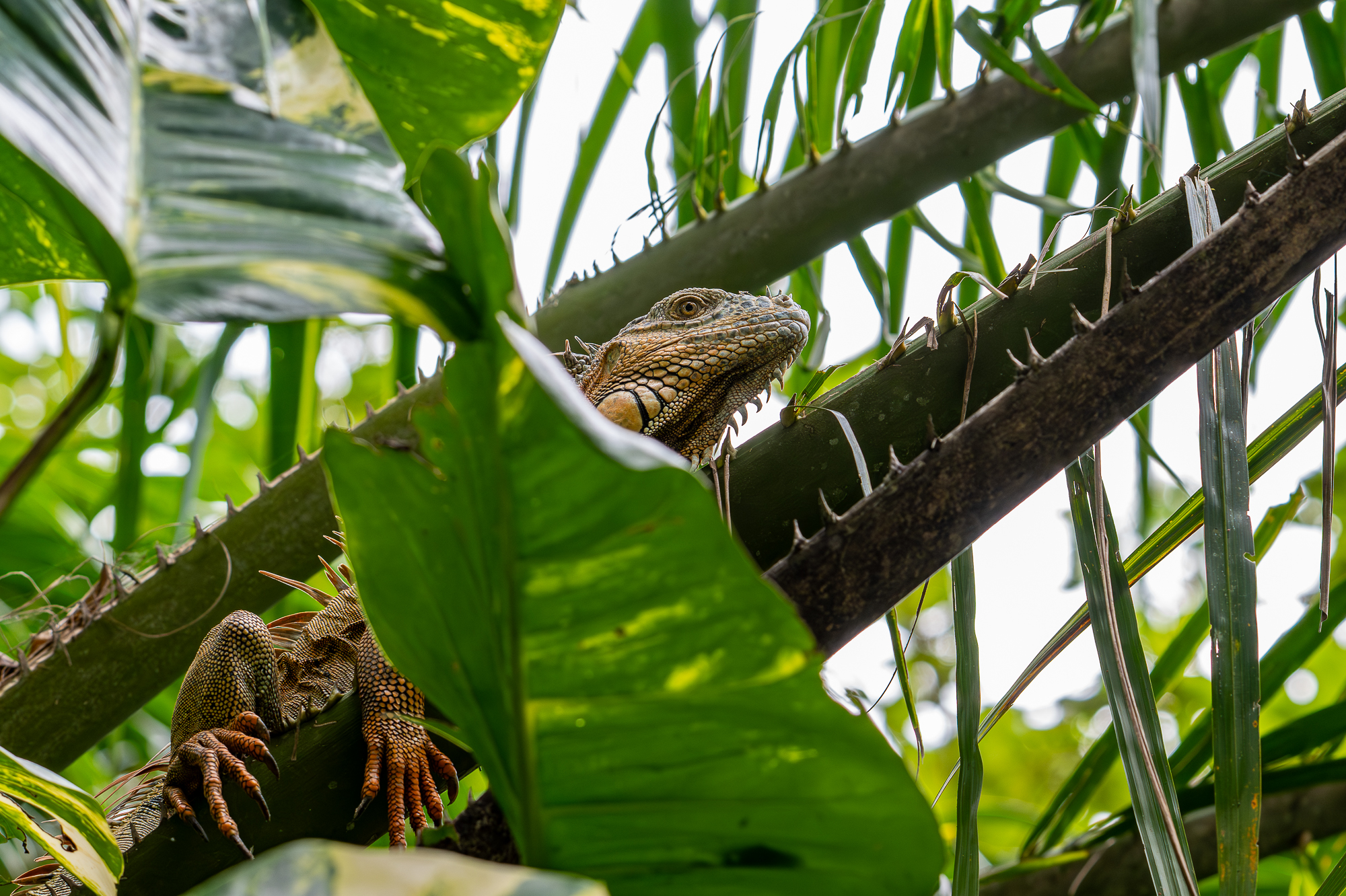
In San Ignacio, there is a rescue project designed to protect and bolster green iguana populations in Belize. While their adult iguanas are all captive, this wild male came to check out the area, hoping for a chance with the females within.
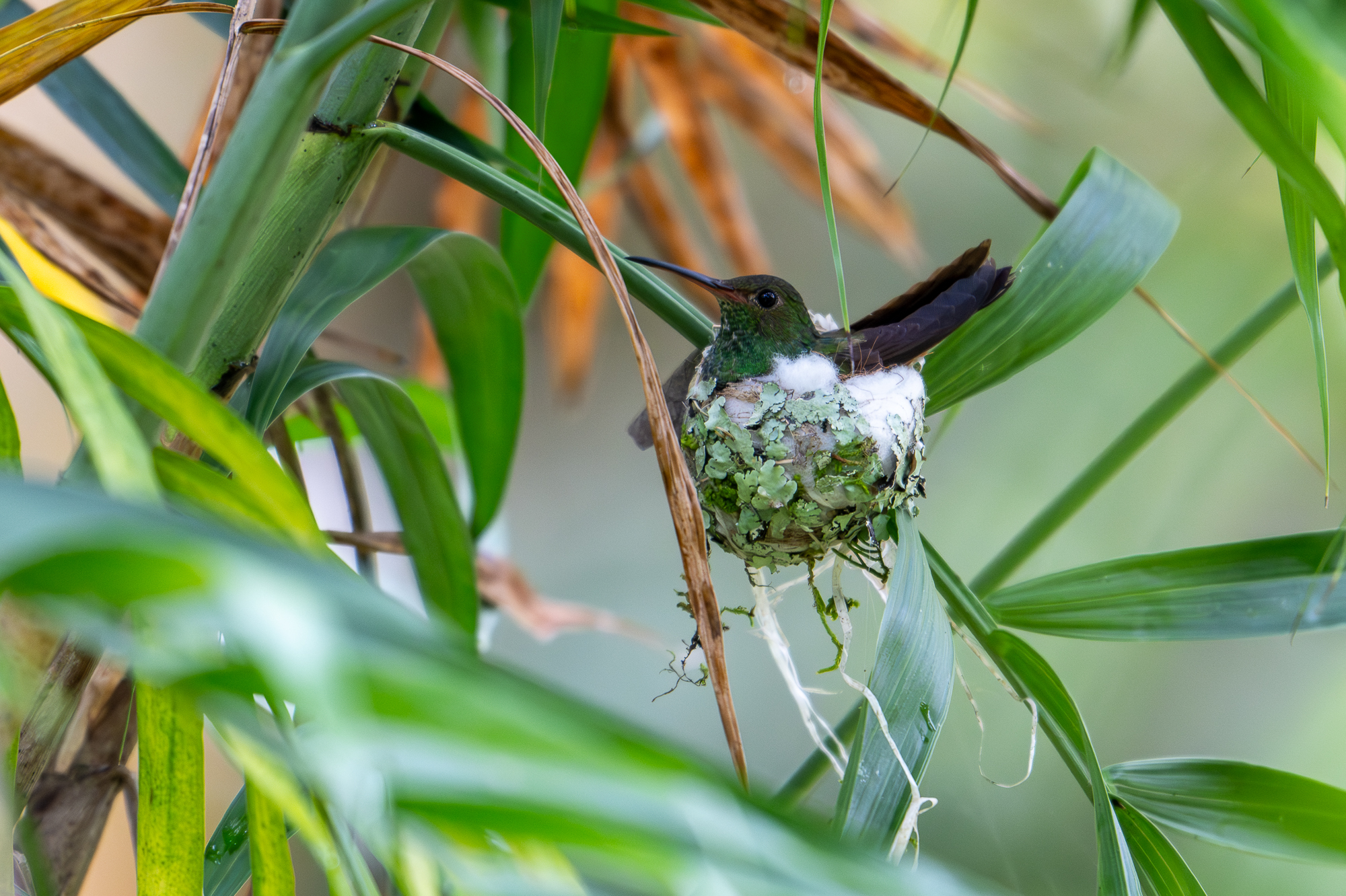
We crossed the border in to Guatemala on a day trip to Tikal. Stopping outside the archaeological site, we found this rufous-tailed hummingbird on its nest
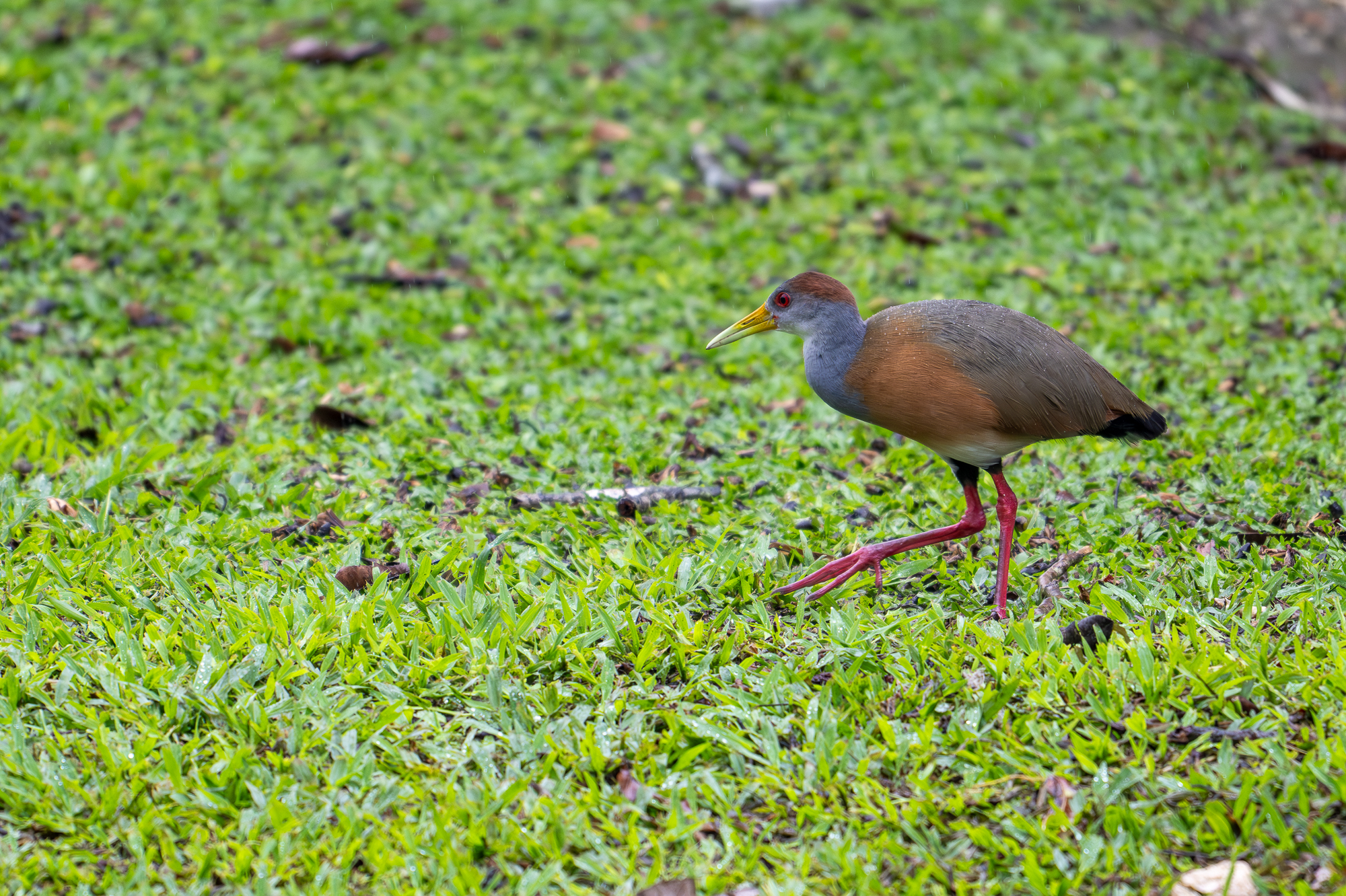
Russet-naped Wood Rail
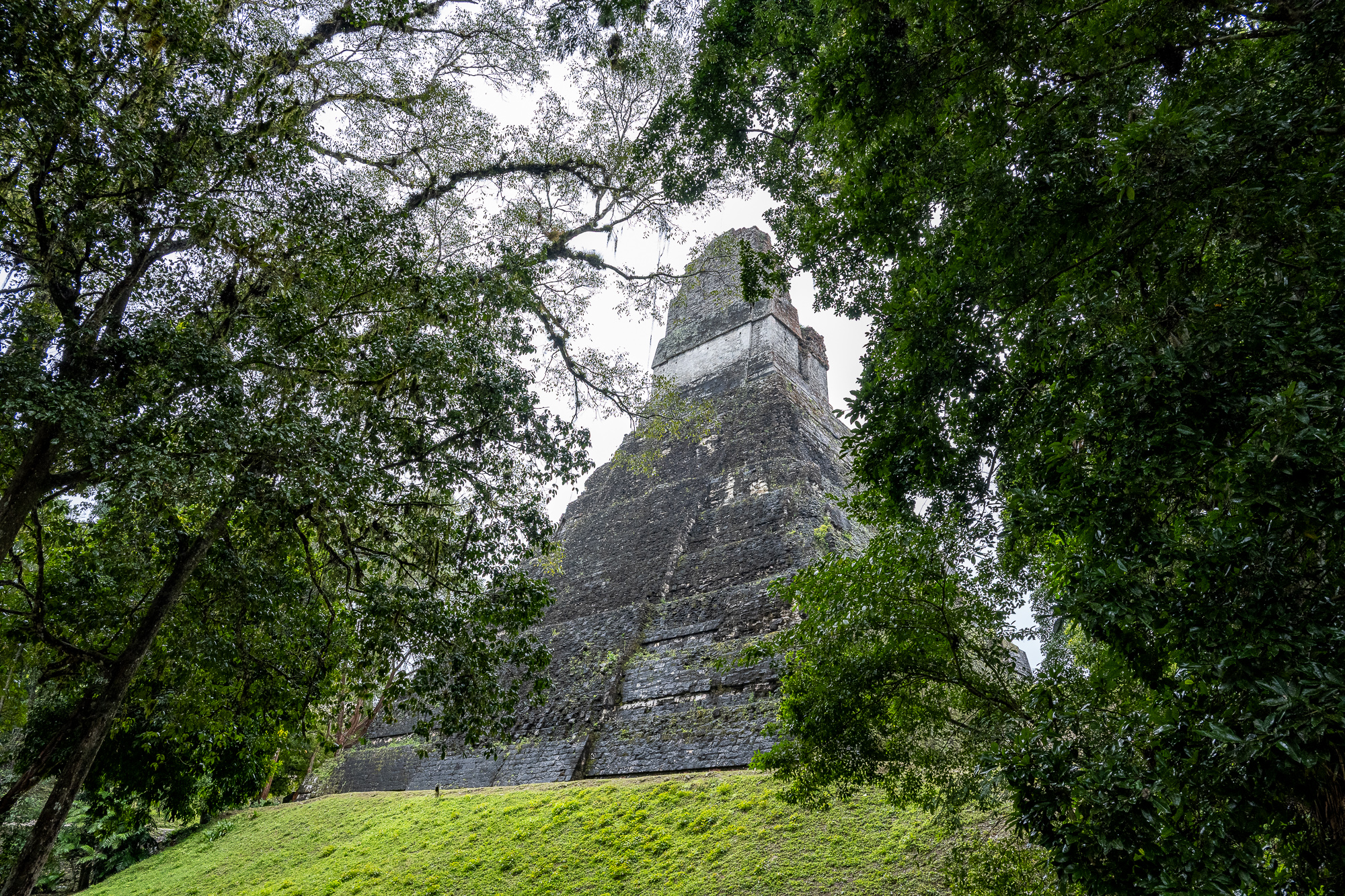
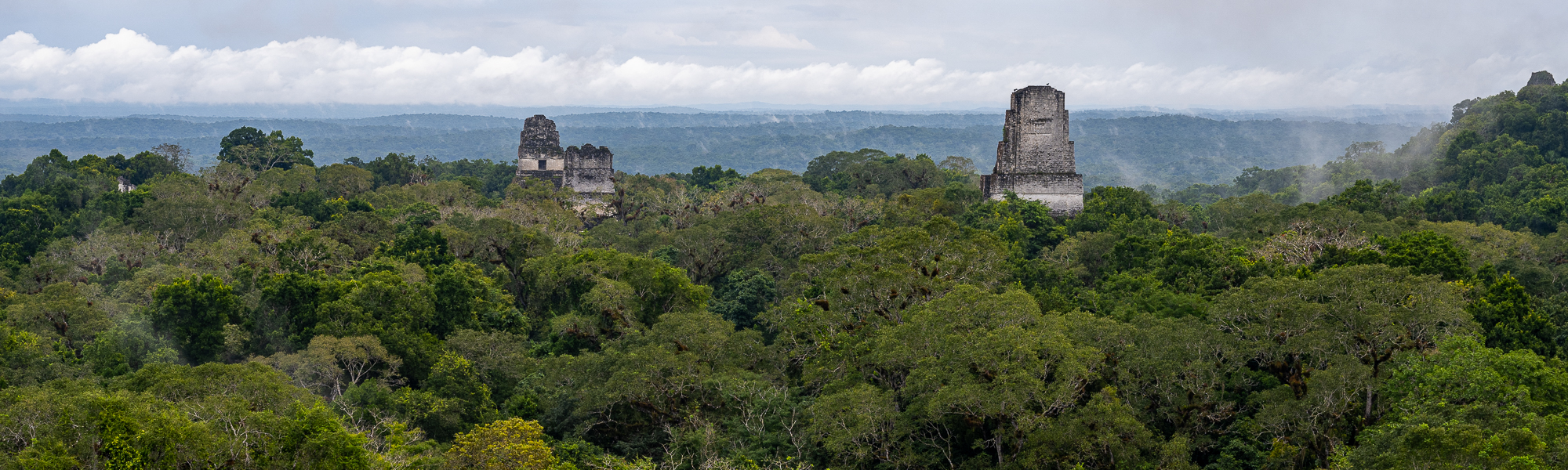
TIKAL! This massive ancient Mayan city spans 16 square kilometres with an estimated 3000 structures therein. Despite a rainy, overcast day, the site is spectacular and worth the visit.
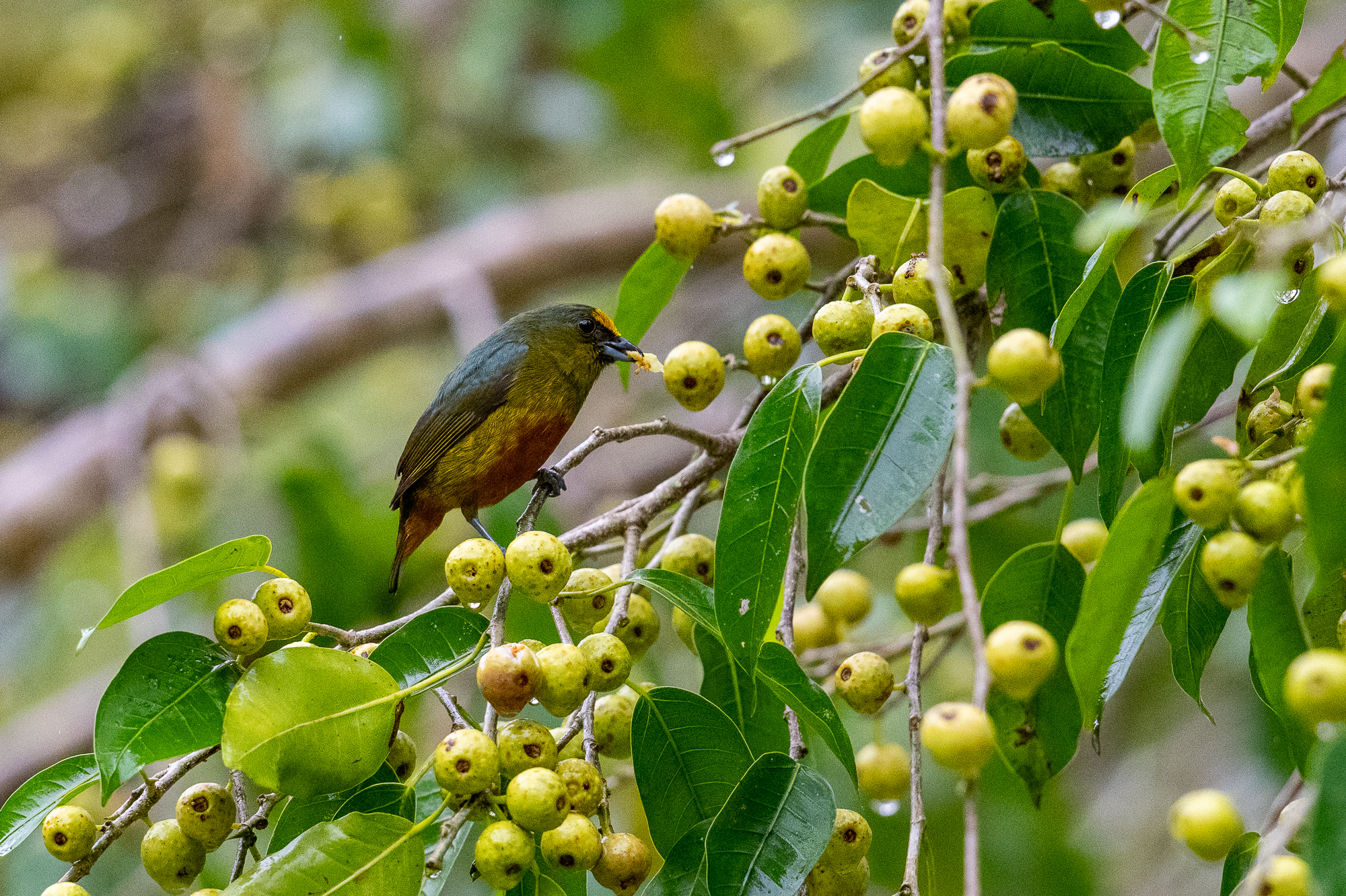
Olive-backed Euphonia

Tikal was a major centre for the Mayans and pre-Mayan peoples as far back as 300 BC and lasting until around the 9th Century AD before droughts brought on from climate change caused the site to decline and fall in to disuse.
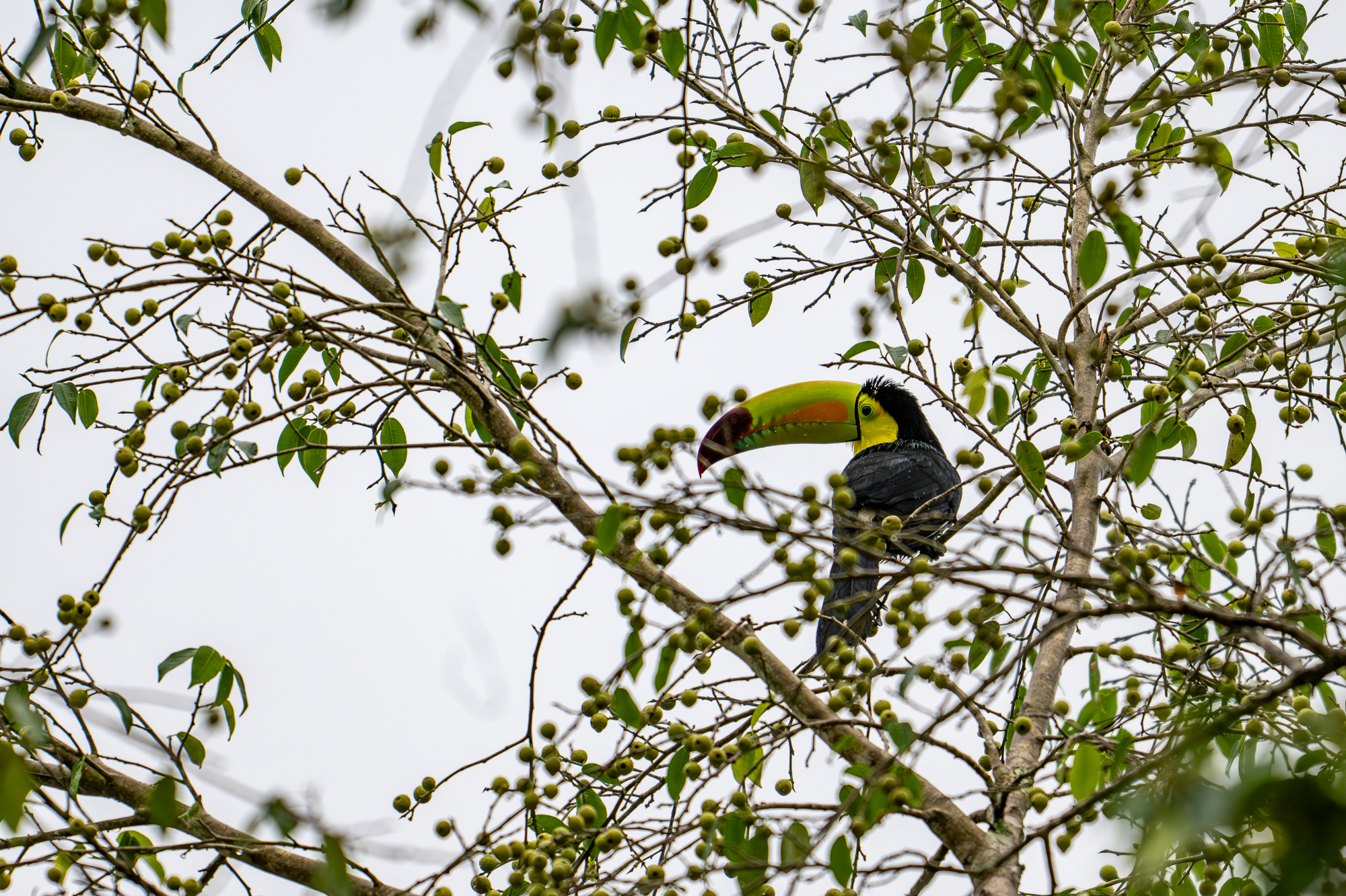
Keel-billed Toucan
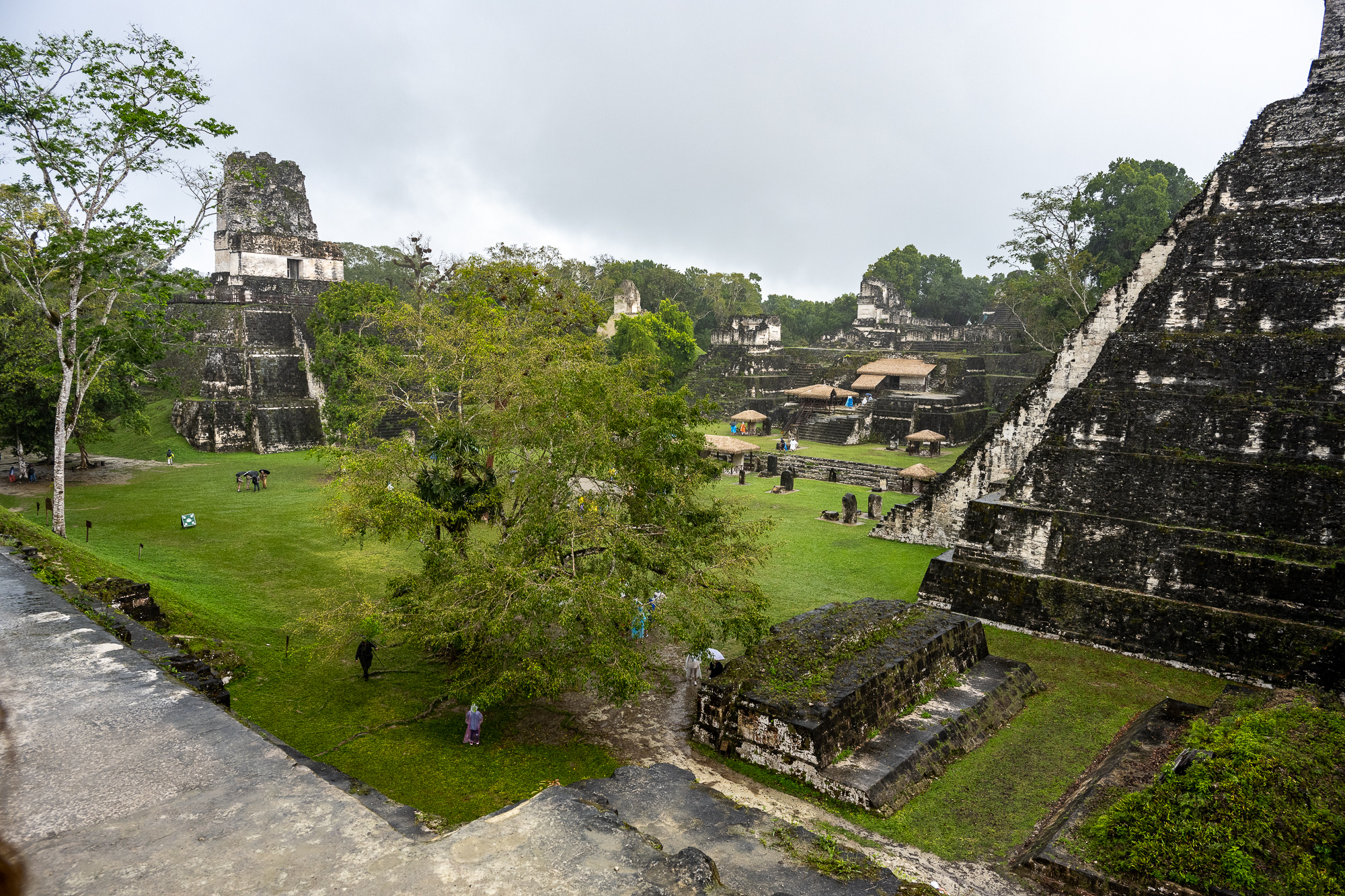
Tikal's main plaza

Temple of the Great Jaguar and the great plaza
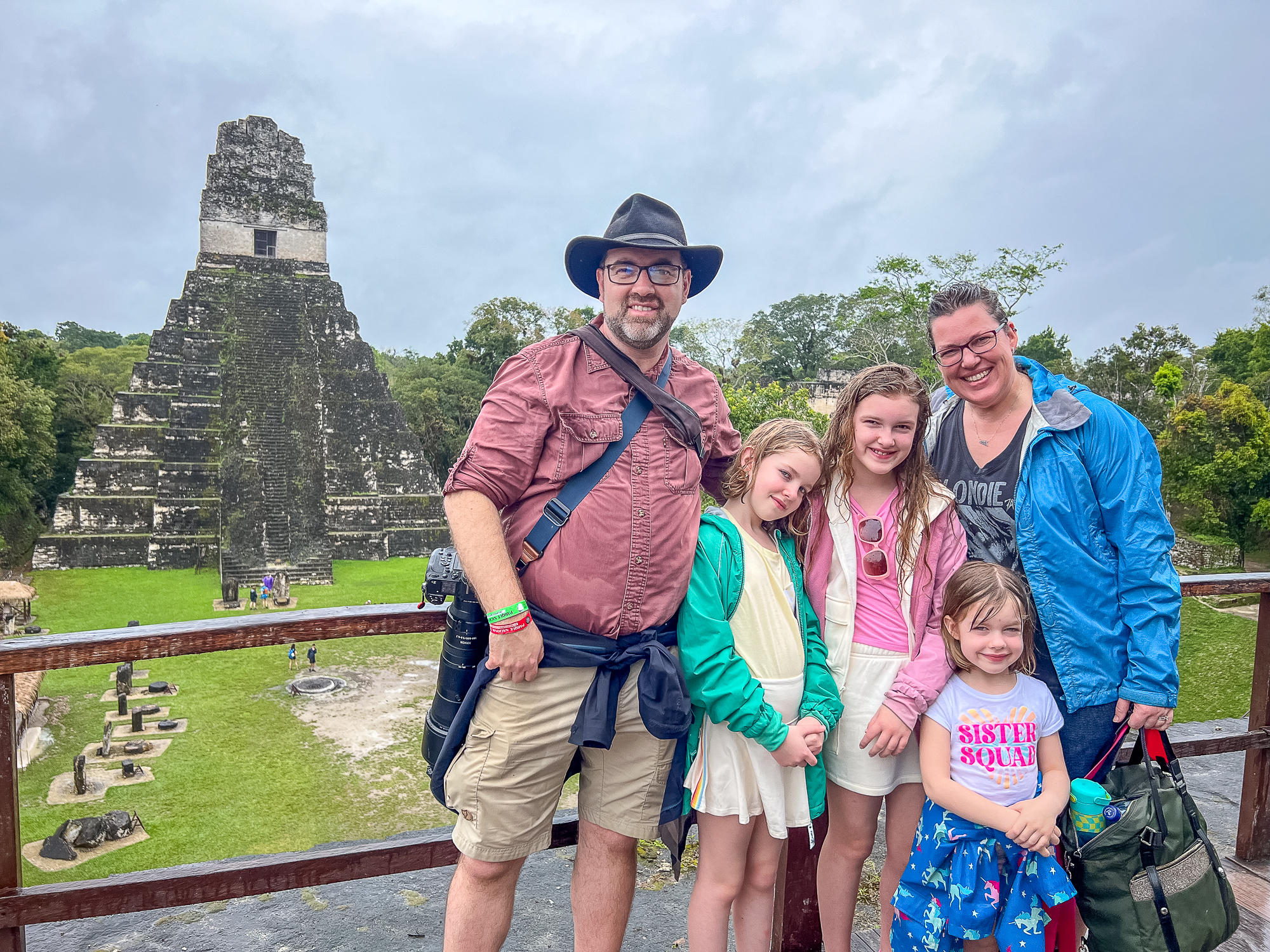
Family photo at Tikal
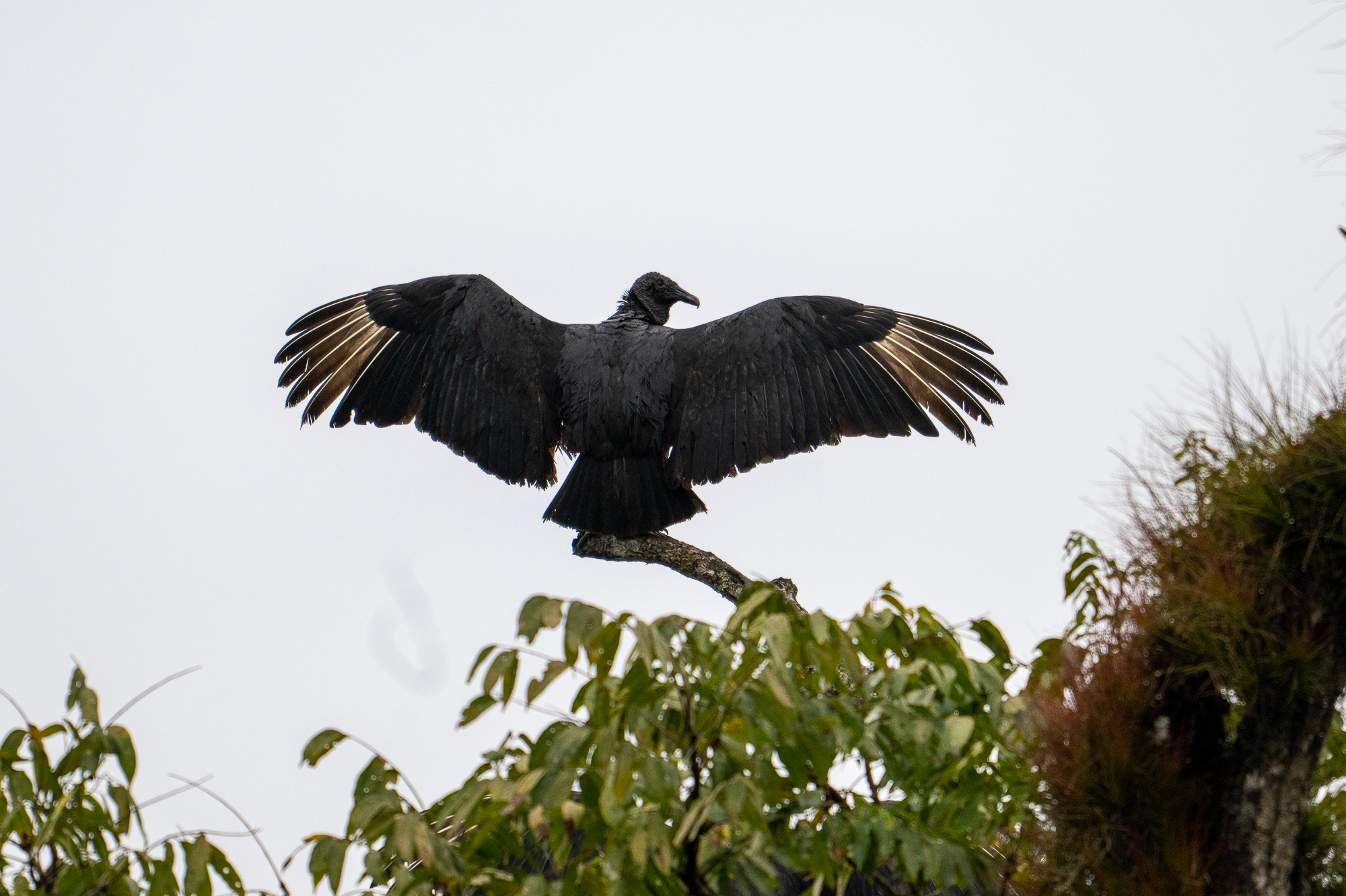
A black vulture drying himself out above Tikal
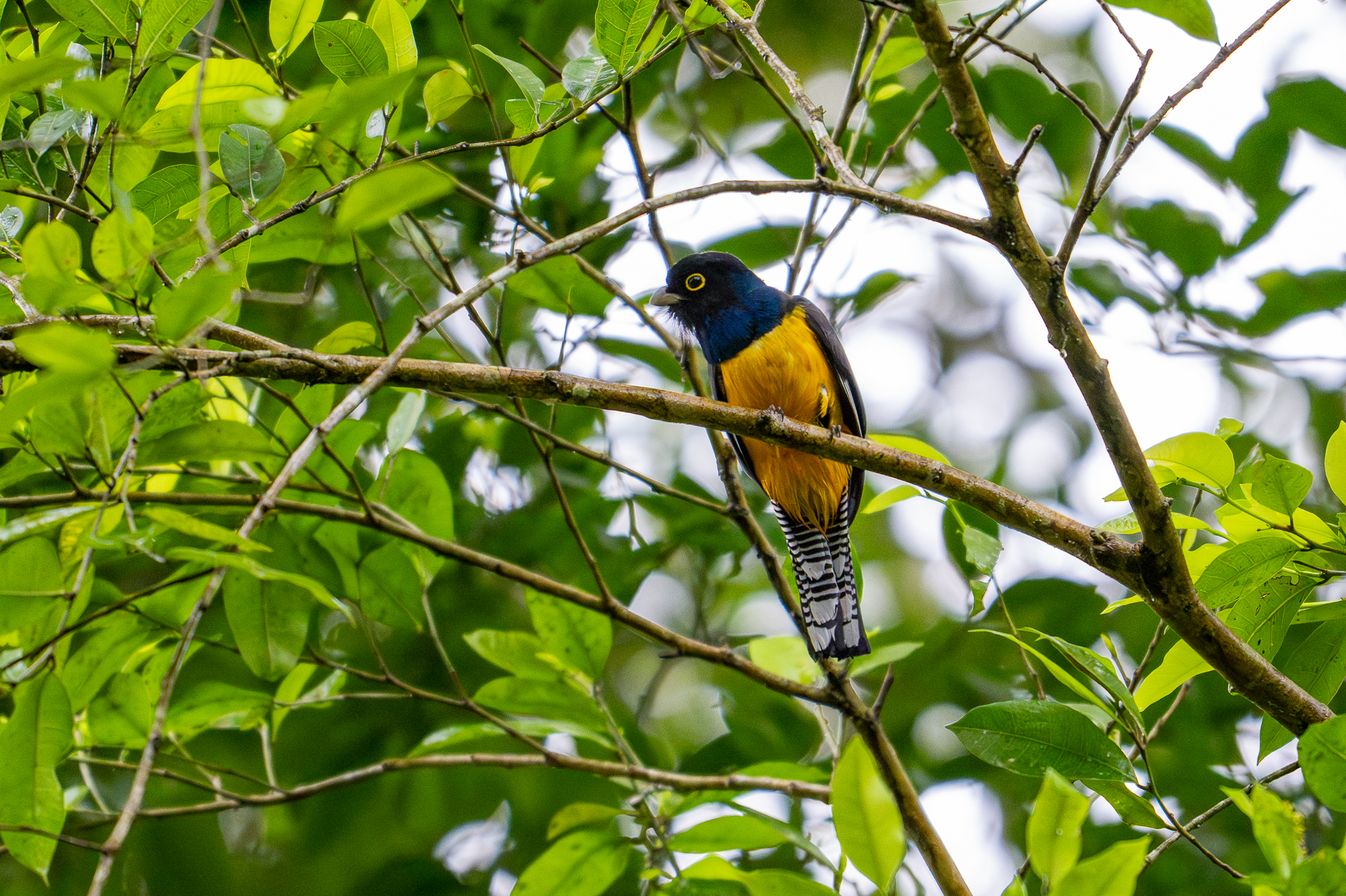
Gartered Trogon

Yucatan Black Howler Monkey
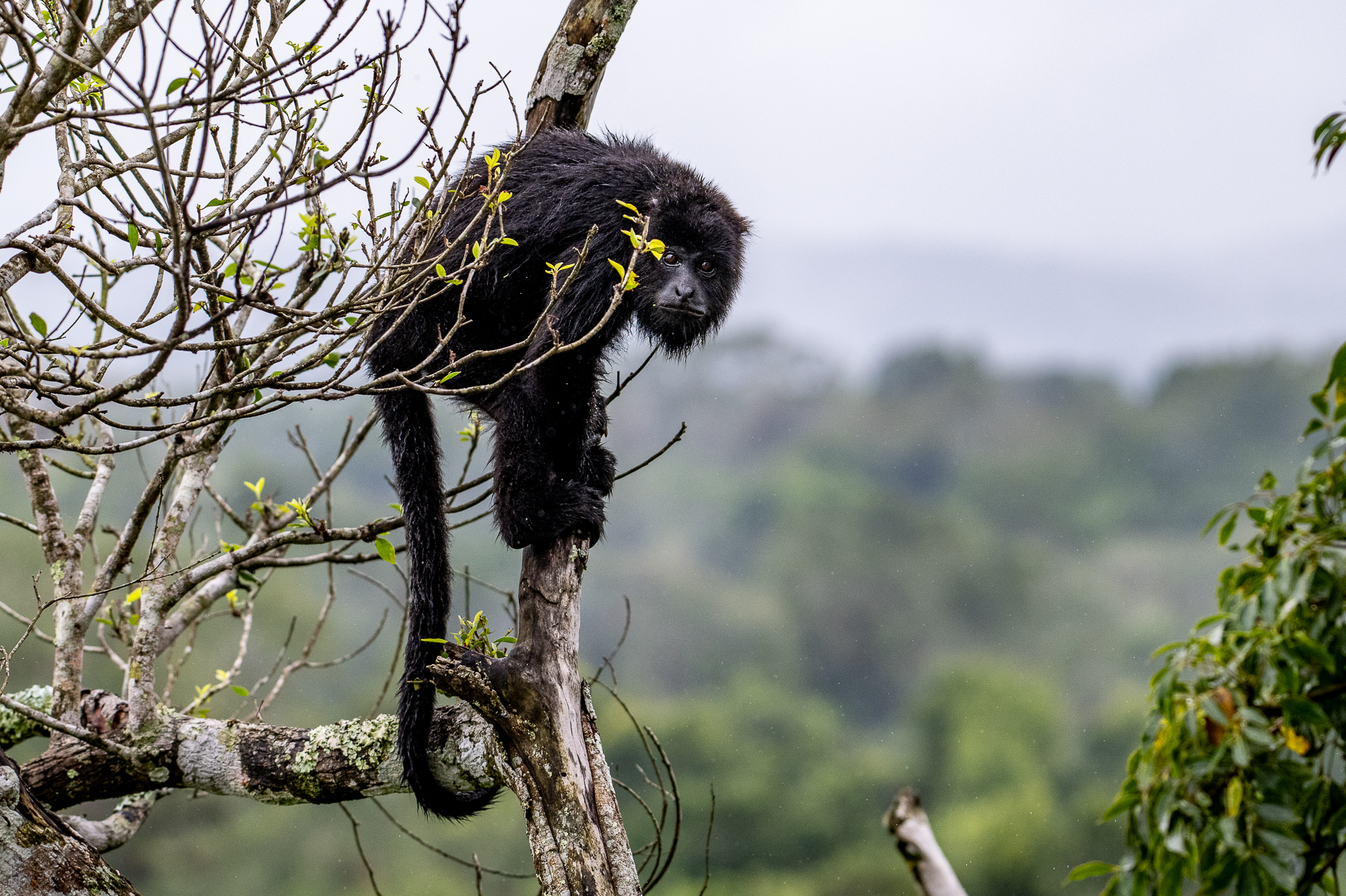
These Howler Monkeys live high in the trees so the chance to see them at eye level is rare. But we were climbing one of the highest of Tikal's pyramids and they were in trees growing out the side of it - so we got to see them straight from eye level.
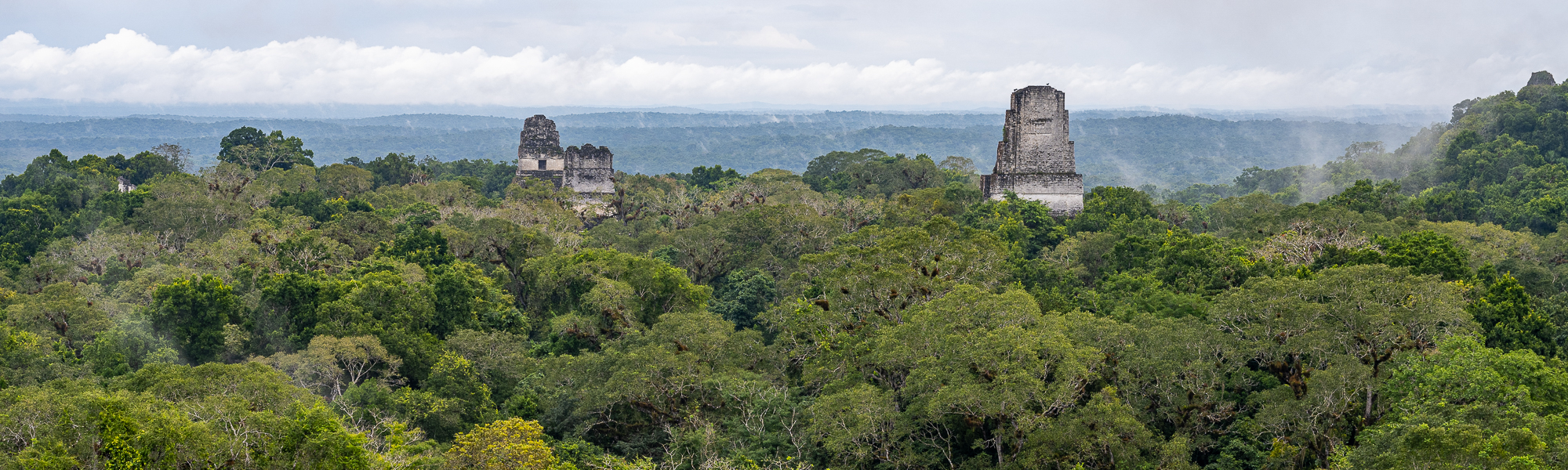
If you're a fan of Star Wars - you may recognize this view as Yavin IV, the location of the secret Rebel base in the first movie.
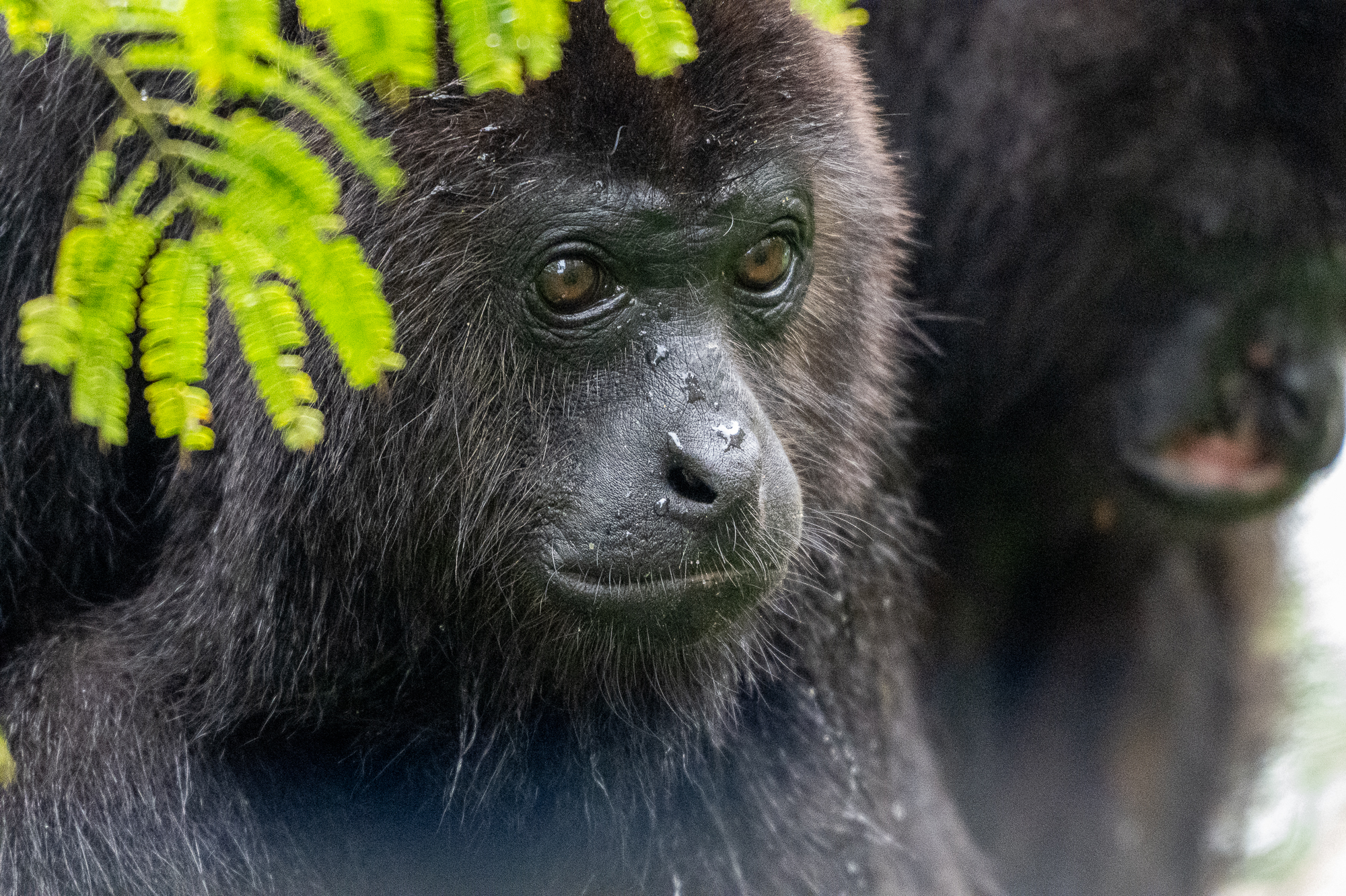
I love the raindrops on the face of this howler monkey. Probably my favourite photo from this whole trip.
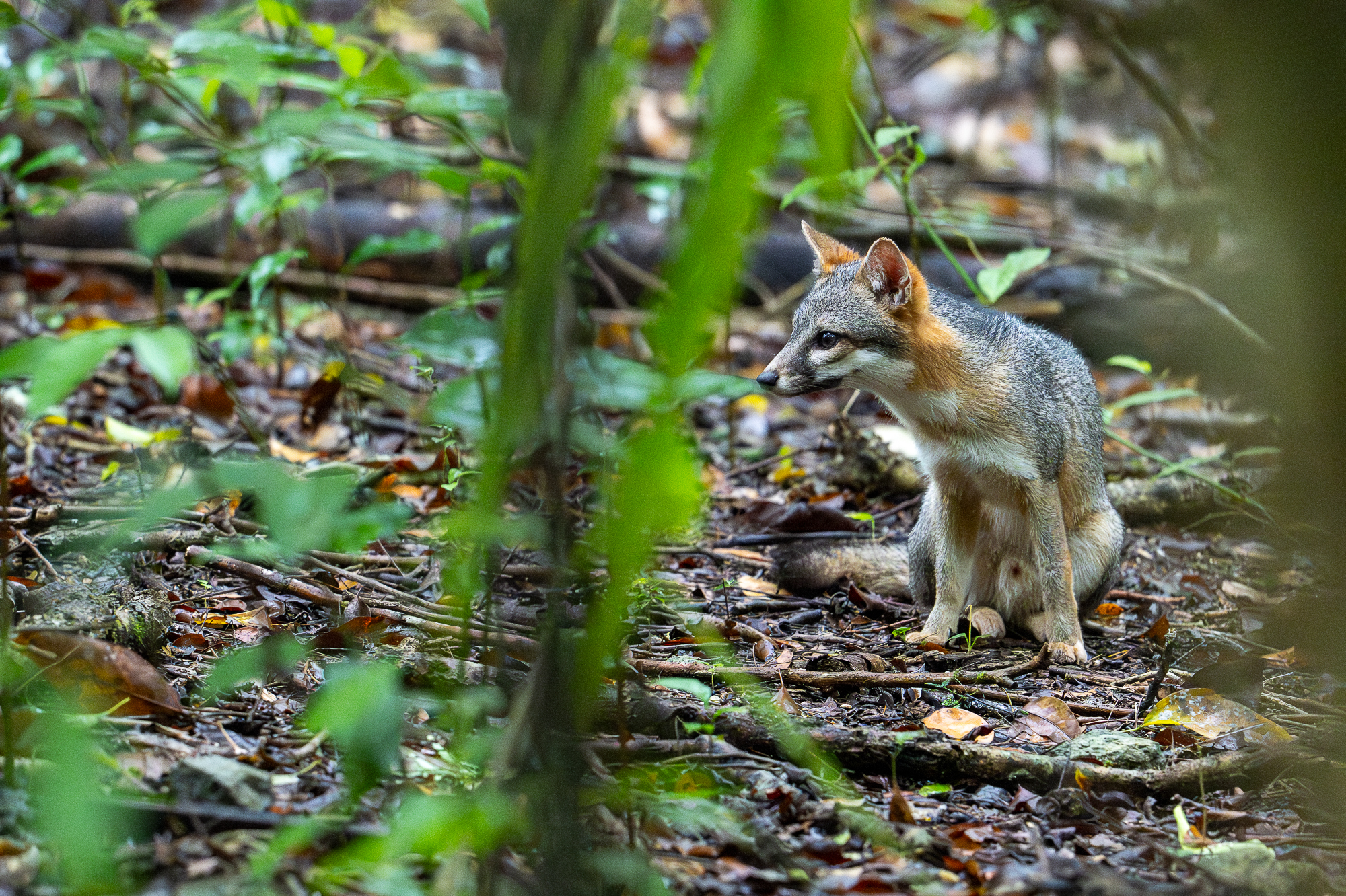
A gray fox lurking in the jungle
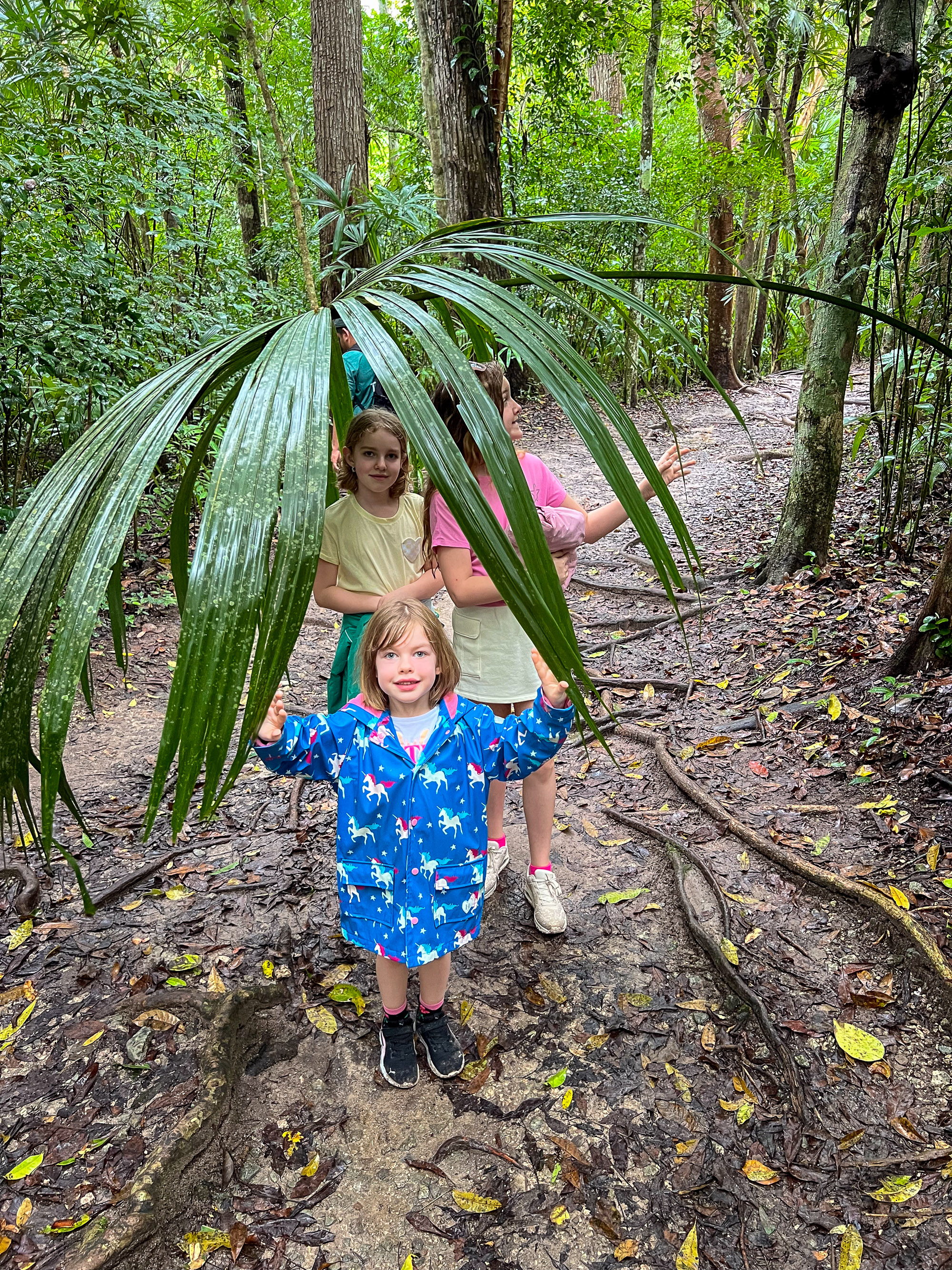
Exploring the jungle paths of Tikal
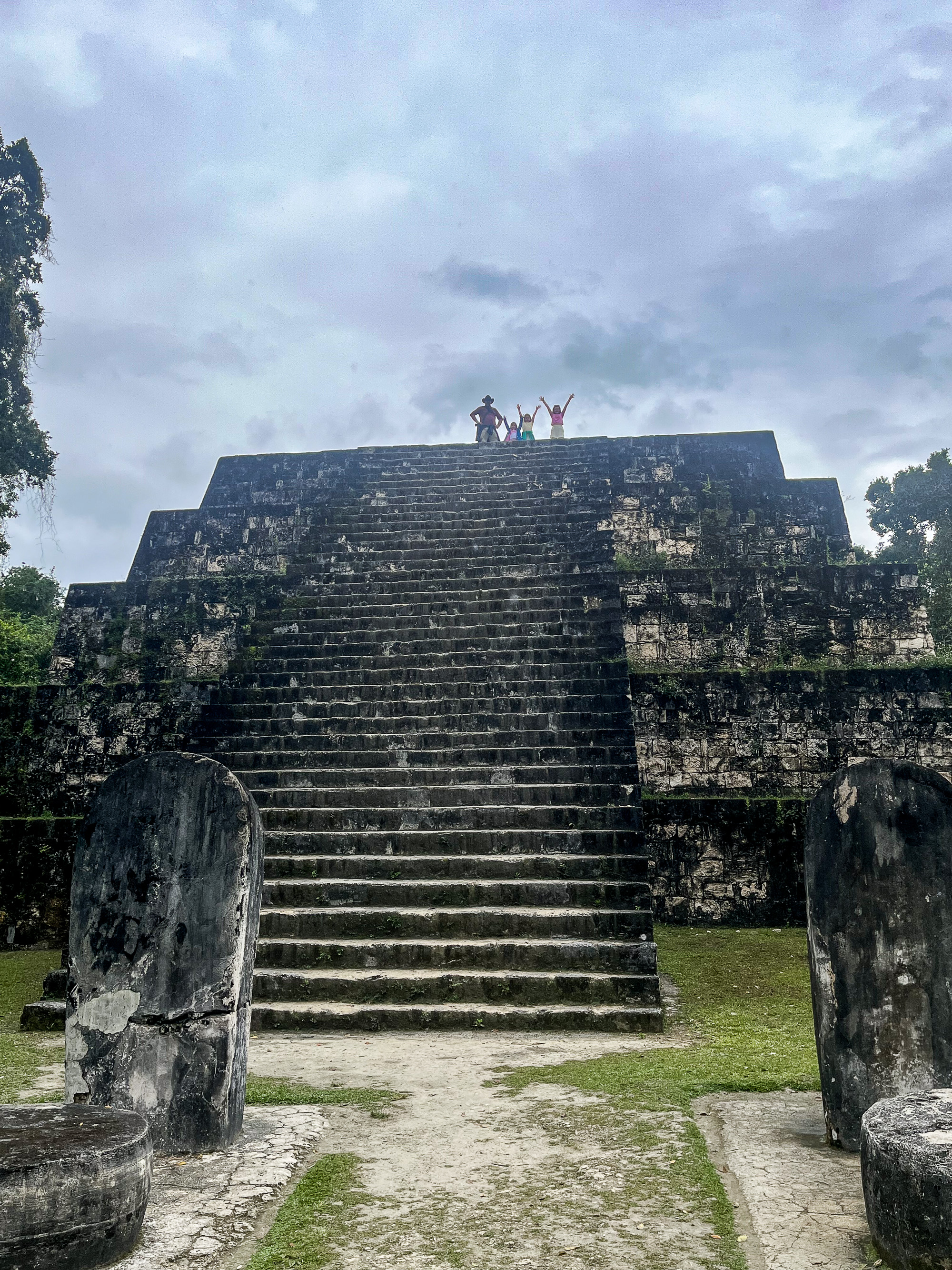
The girls and I scrambled up one of the smaller pyramids for a photo opp.
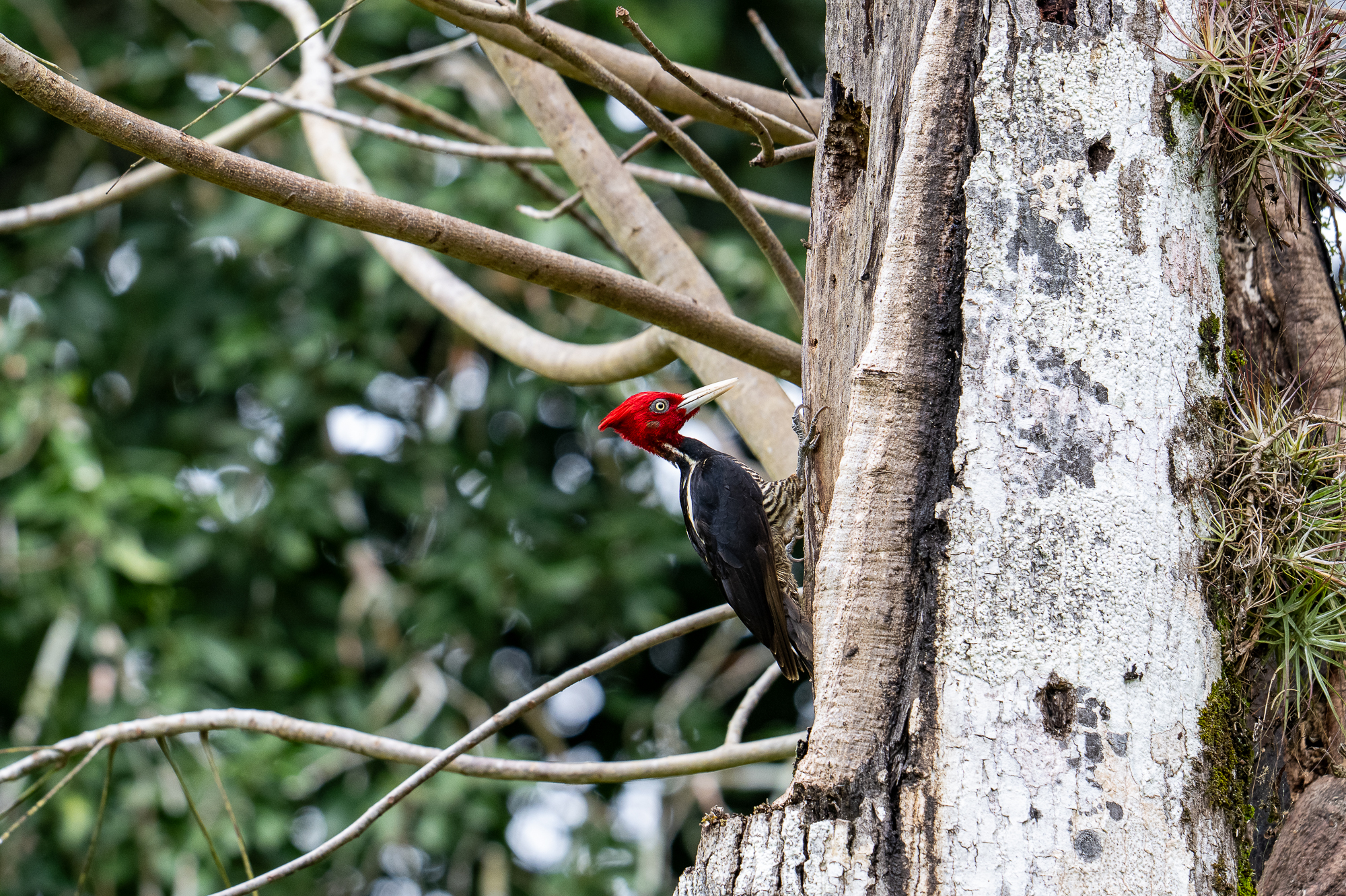
Pale-billed Woodpecker
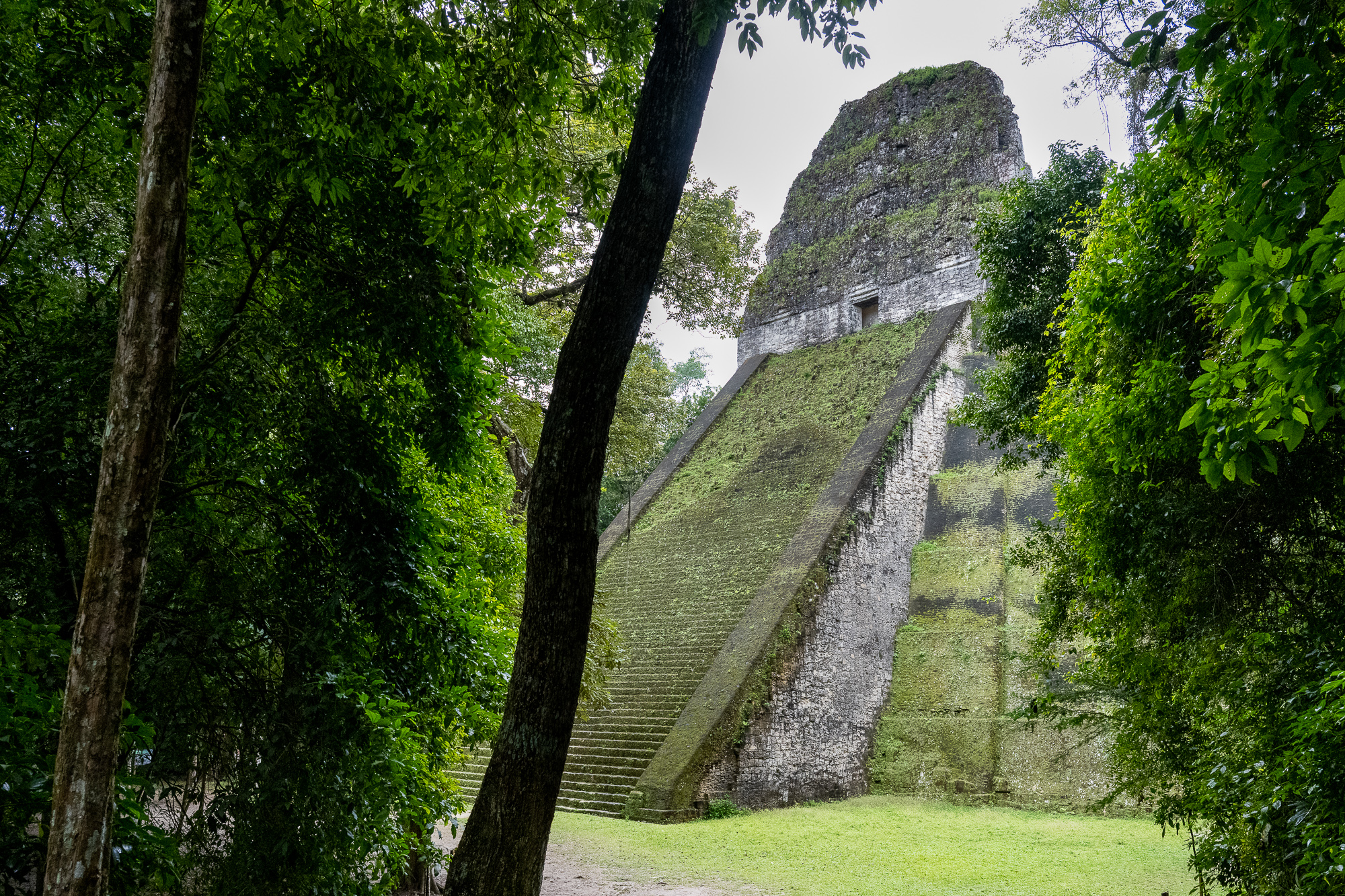
Another pyramid looms up on us through the jungle. You can self-explore Tikal if you wish, but it seems like it would be a challenging task. With our guide he'd cut through a jungle path and then we'd just emerge at the next site, but with paths everywhere and the jungle quite thick it would be easy to get lost on your own
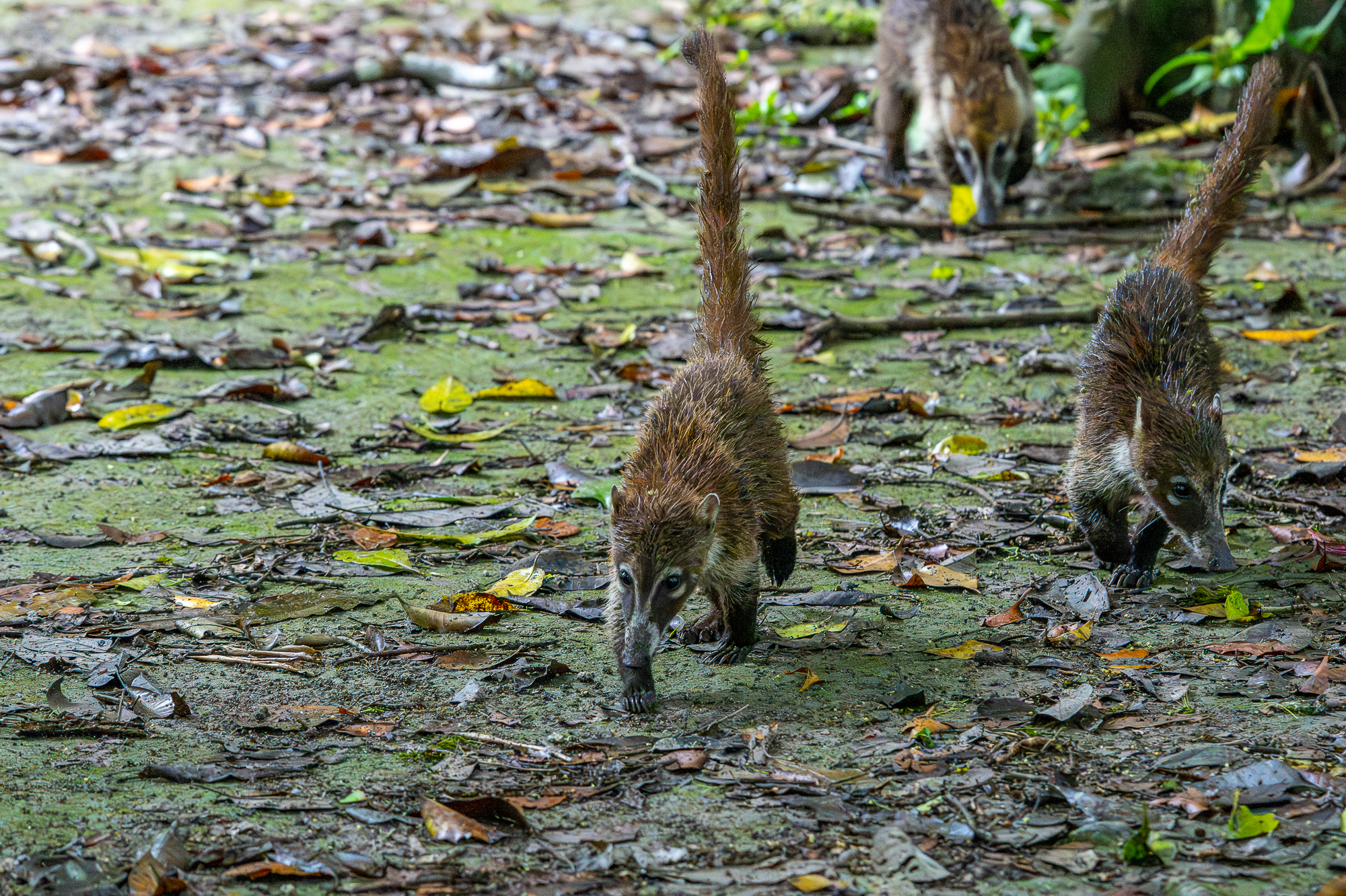
A troop of white-nosed coatis descended upon us. Not nearly as aggressive as their cousins that I saw in Brazil a couple years ago, they were still very curious about us with little fear.
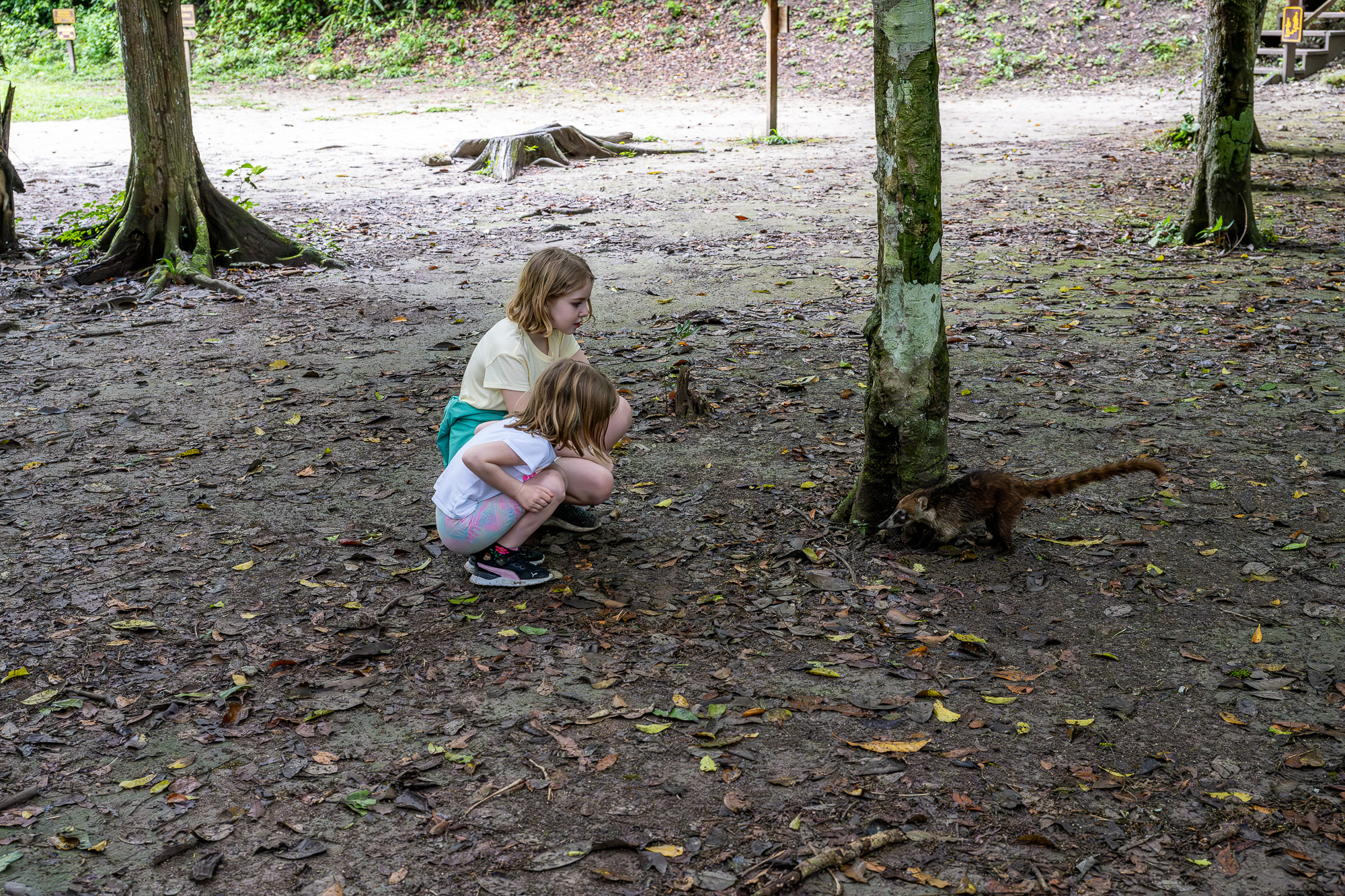
The coatis weren't the only curious ones in the forest that day...
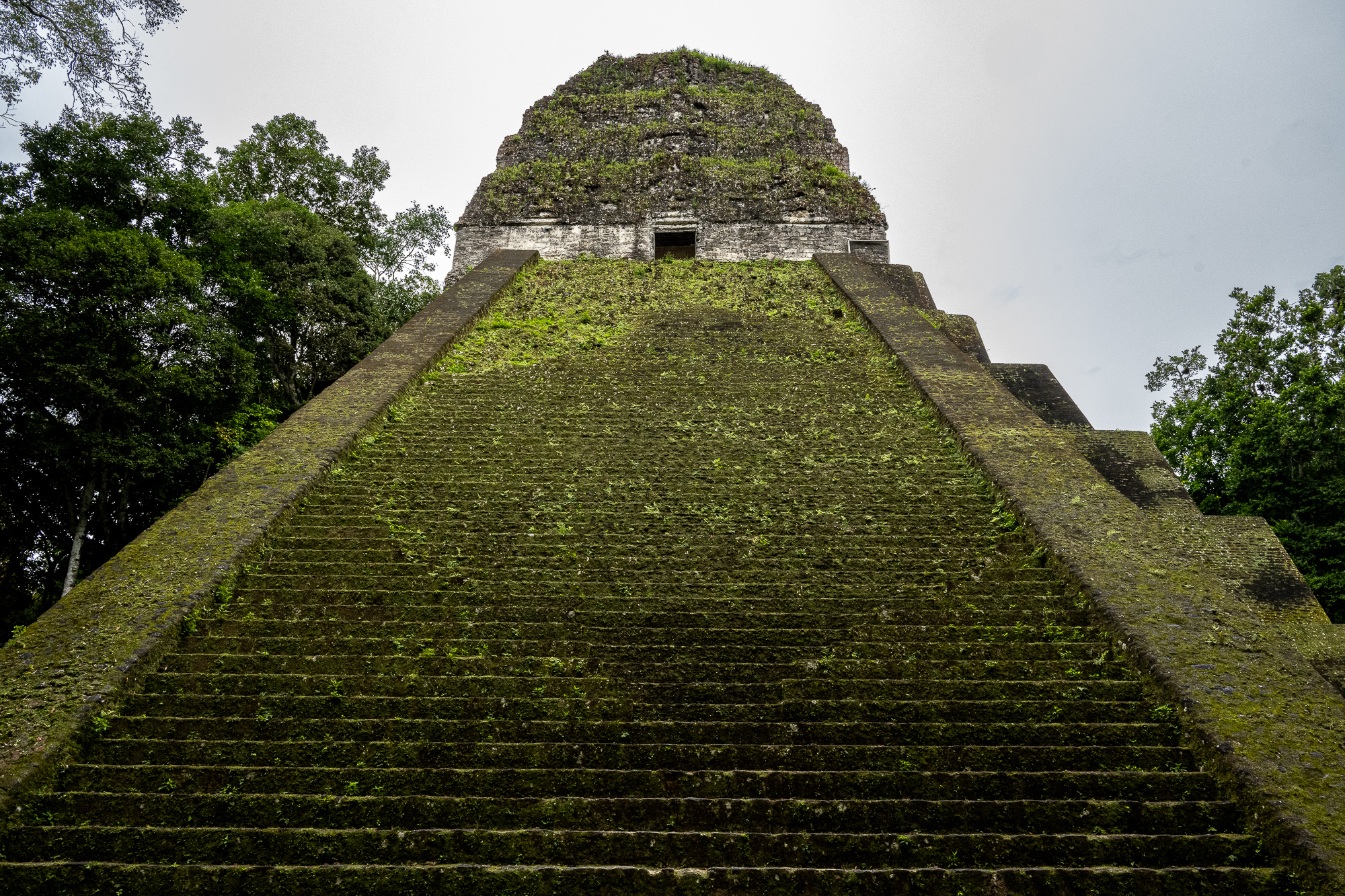
Temple Stairs
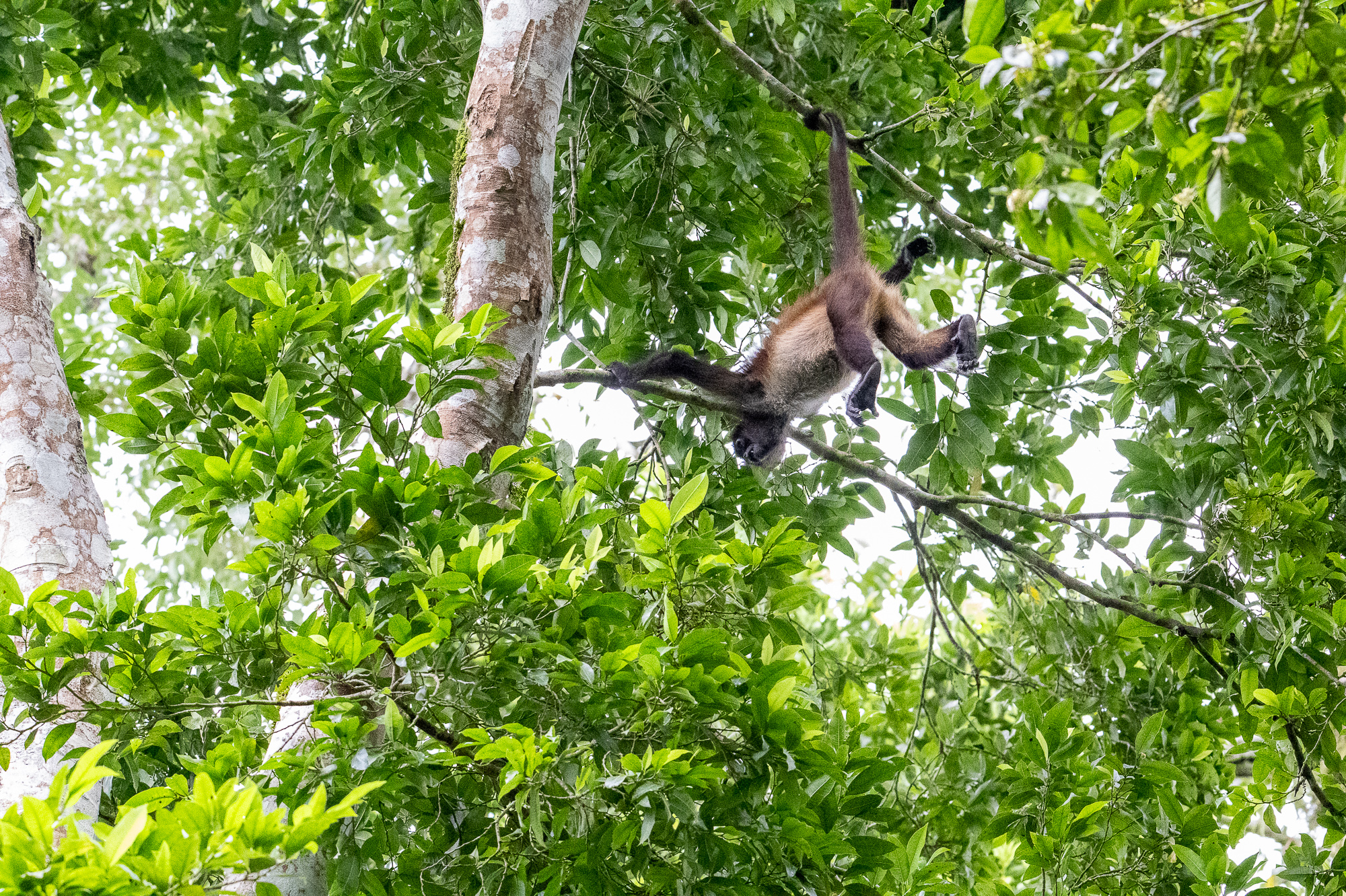
A heavily pregnant Central American Spider Monkey swings above us
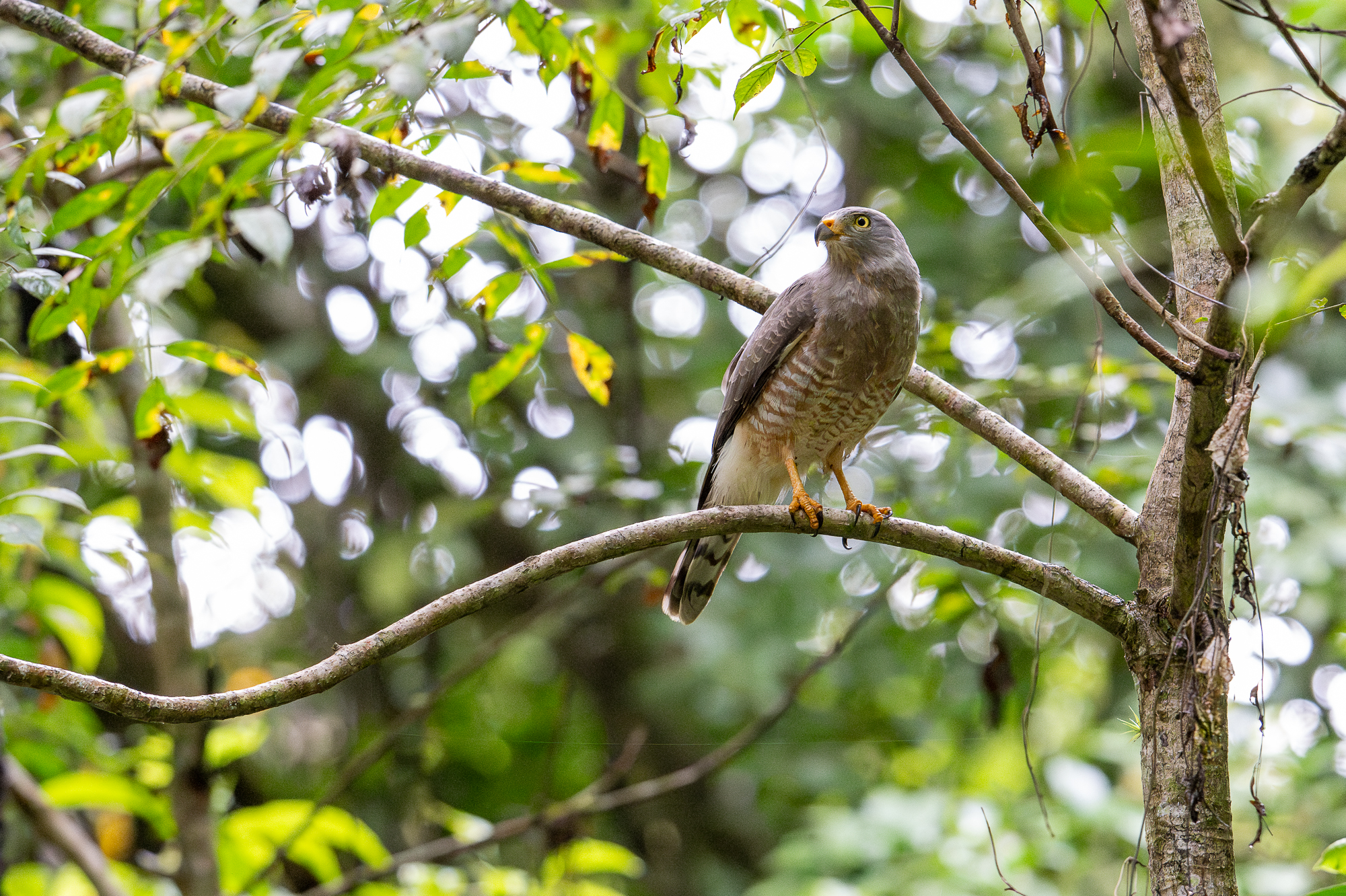
It's called a roadside hawk, but this one was just perched along a hiking path.
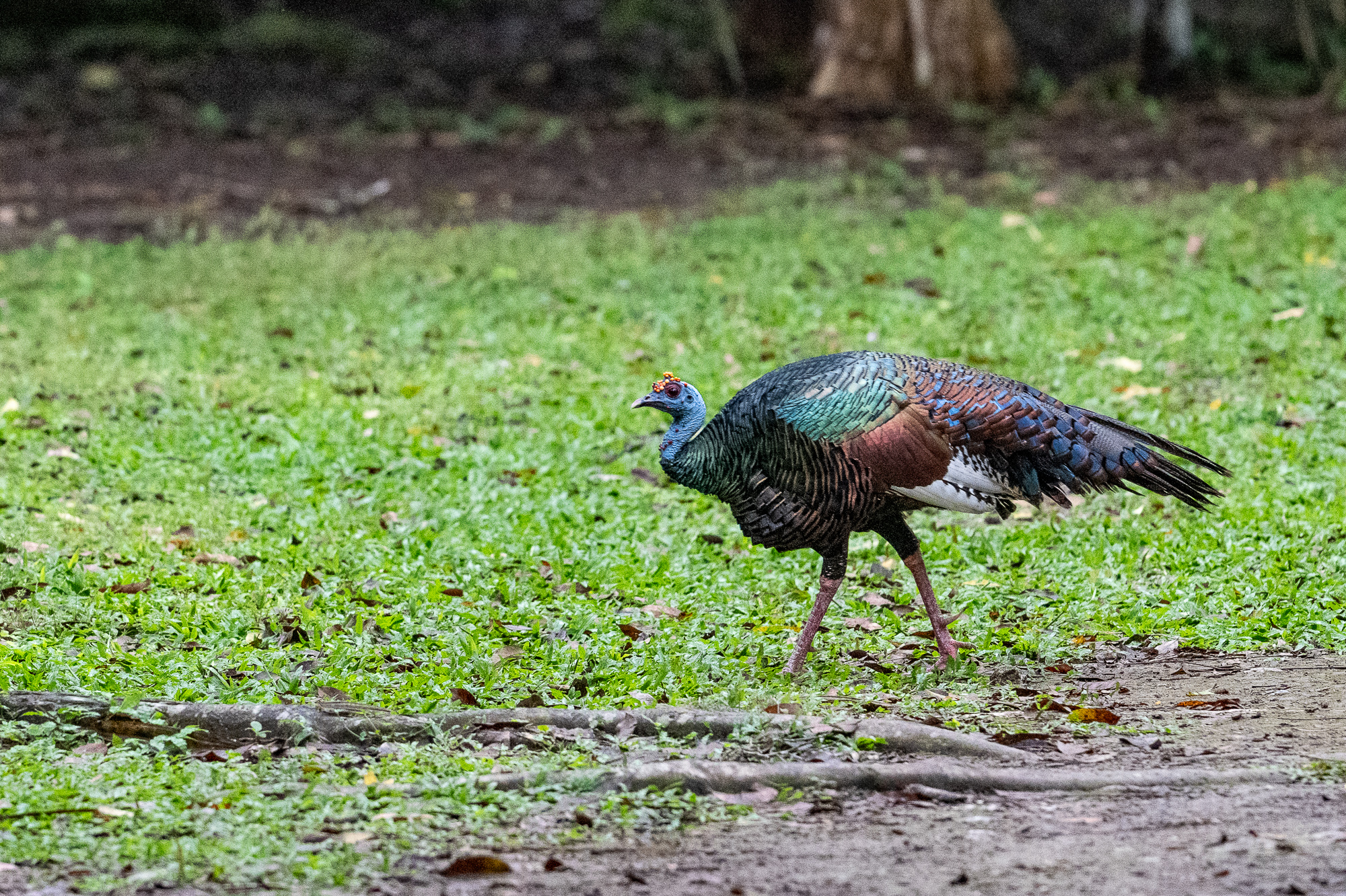
Occelated Turkey - I love the iridescent colours
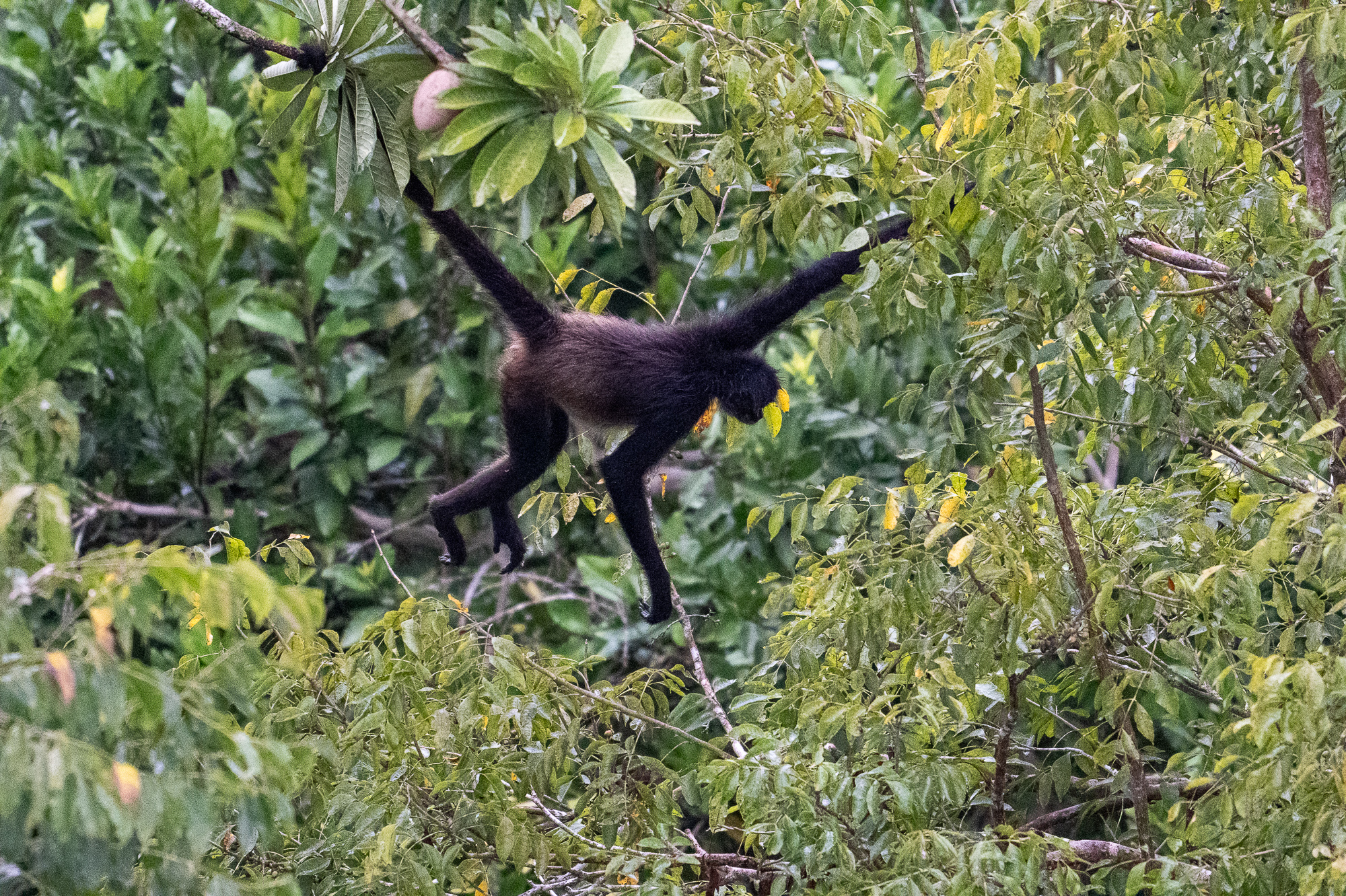
Spider monkey in the classic spider monkey pose.
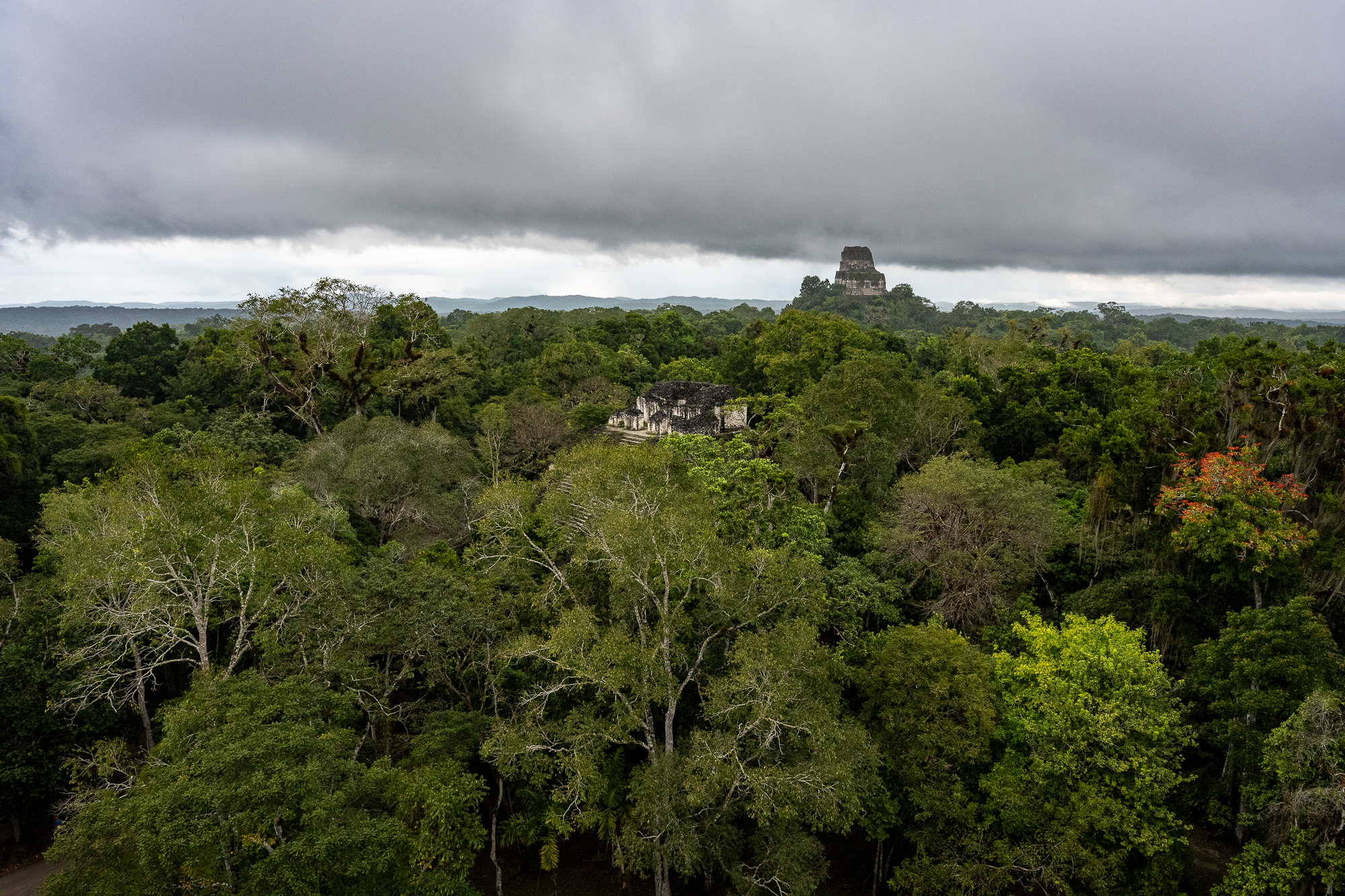
Dusk beginning to set in over Tikal.
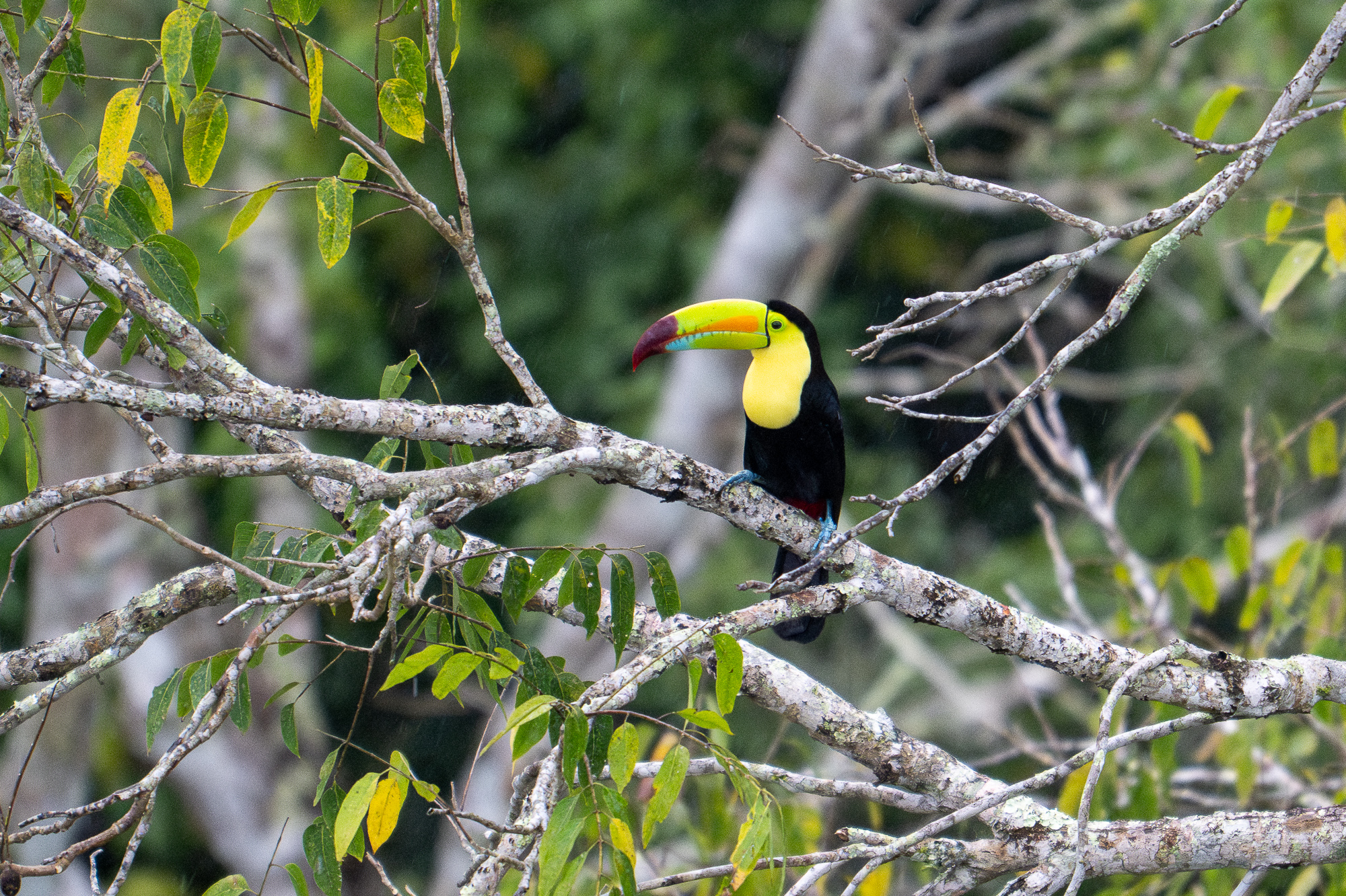
The keel-billed toucan is the national bird of Belize...although most of the ones we saw were in Guatemala.
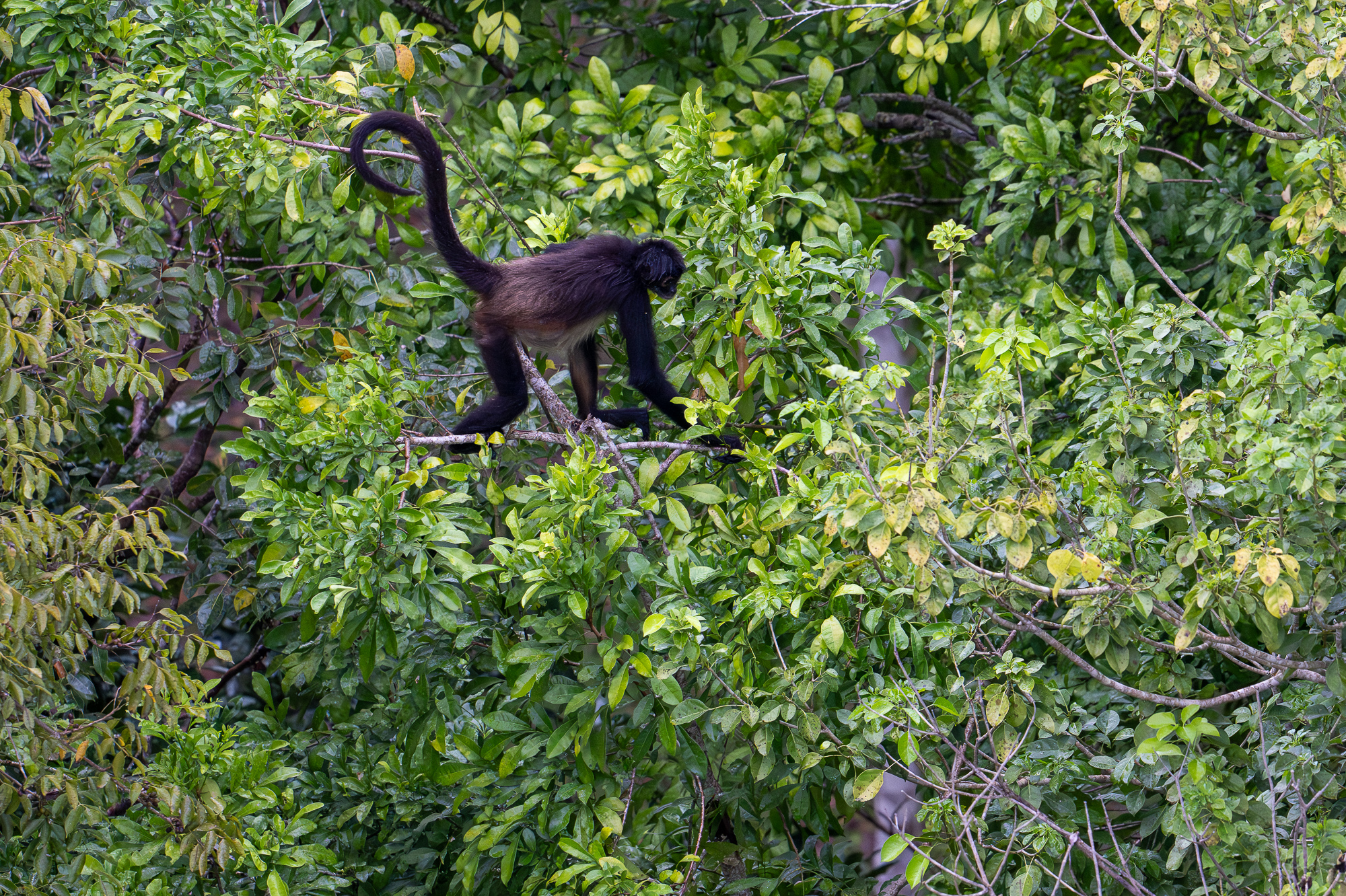
One last shot from Tikal - a spider monkey scrambling atop the canopy
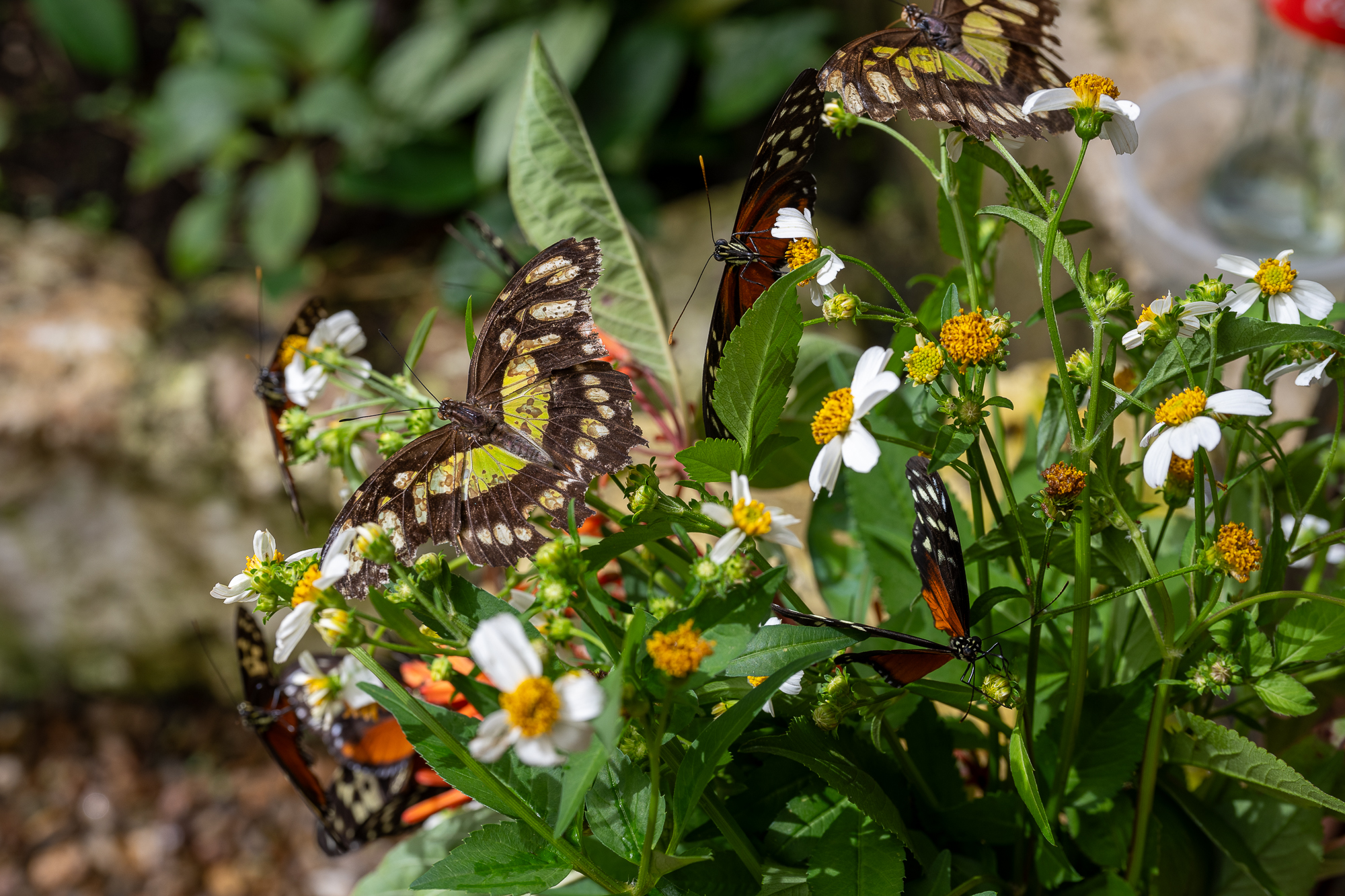
Green Hills Butterfly Ranch was our next stop - here they breed several species of butterflies.
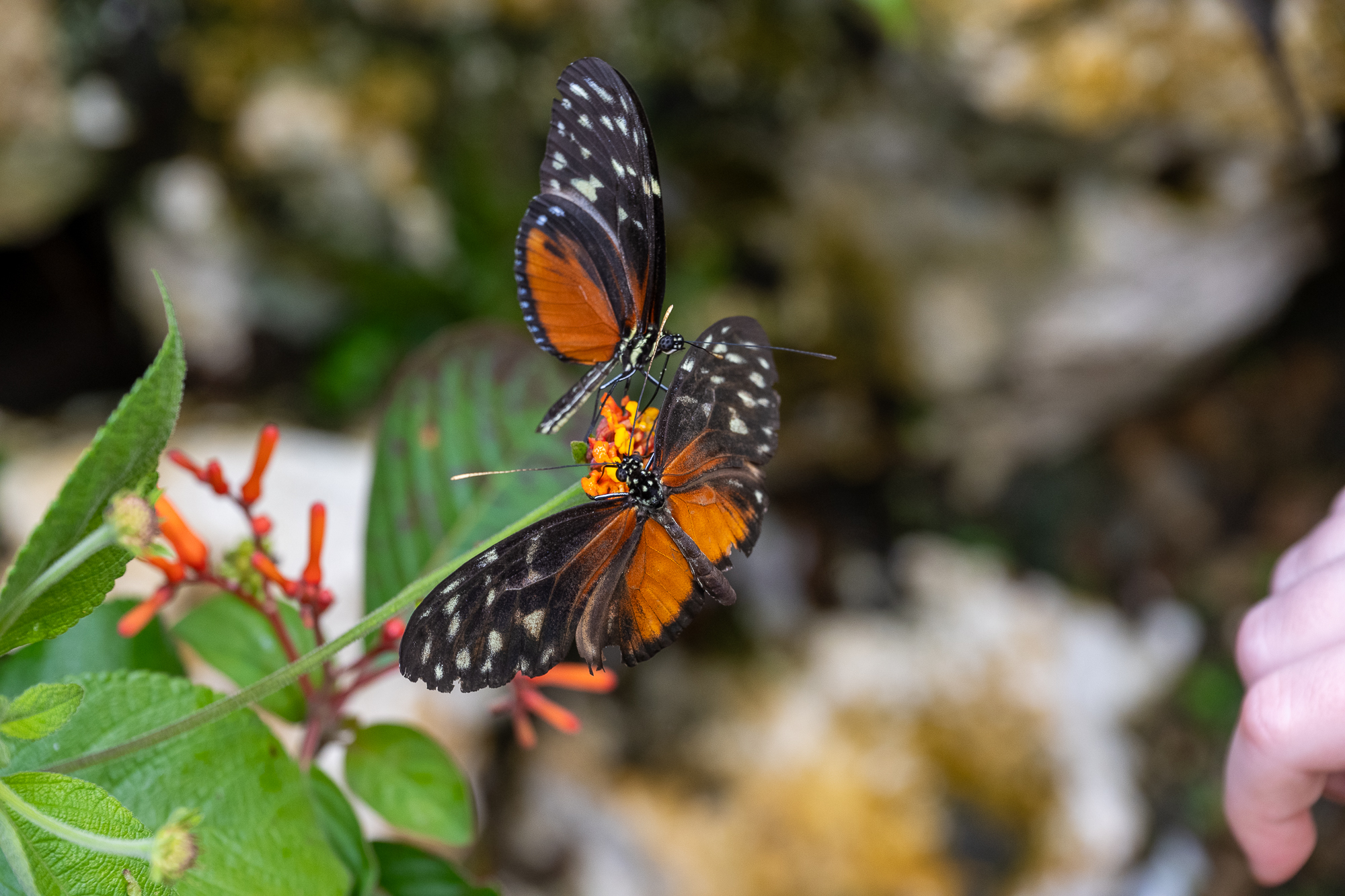
The ranch sends butterflies to butterfly houses all over the world.
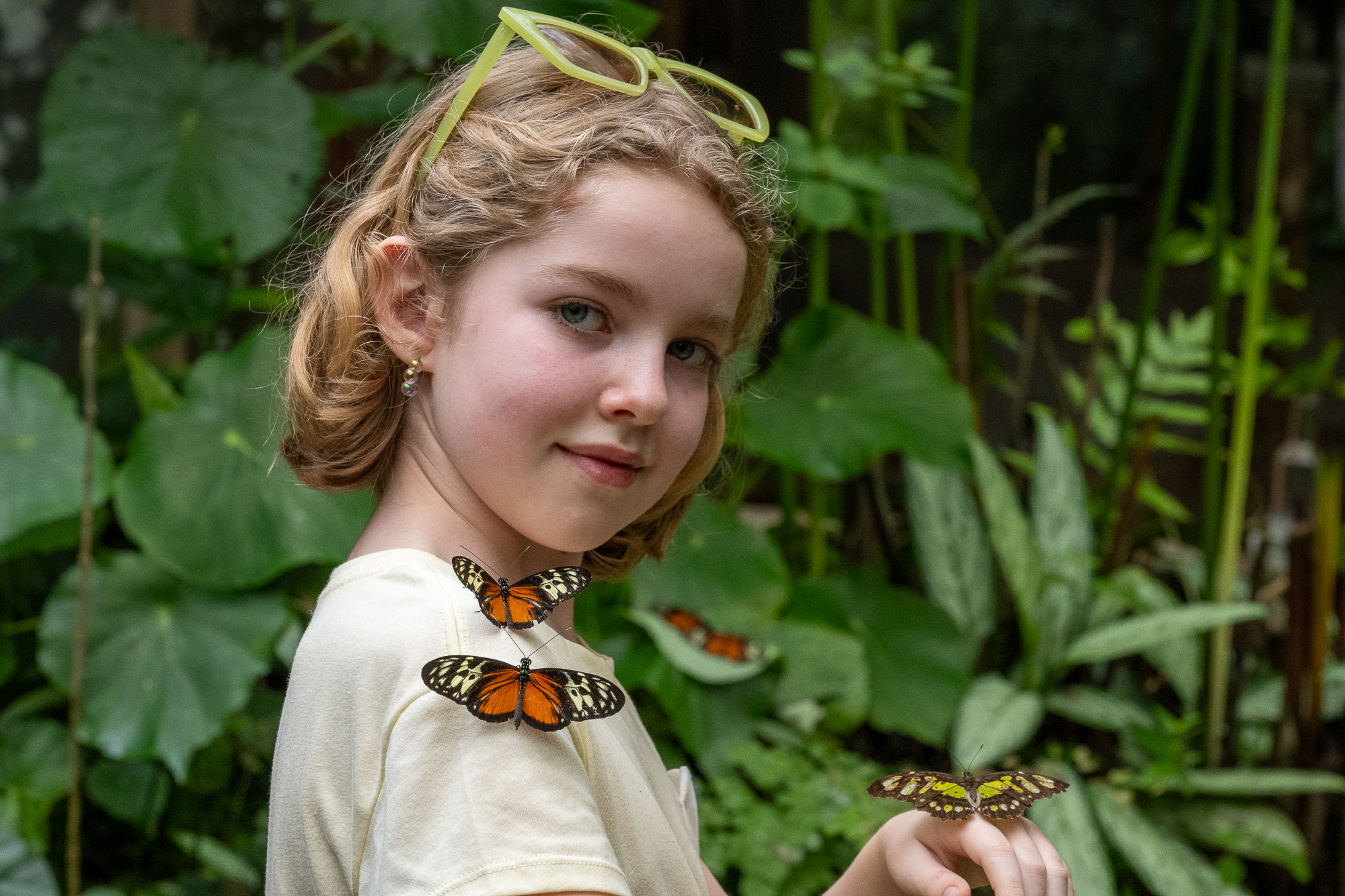
Imogen was a butterfly magnet
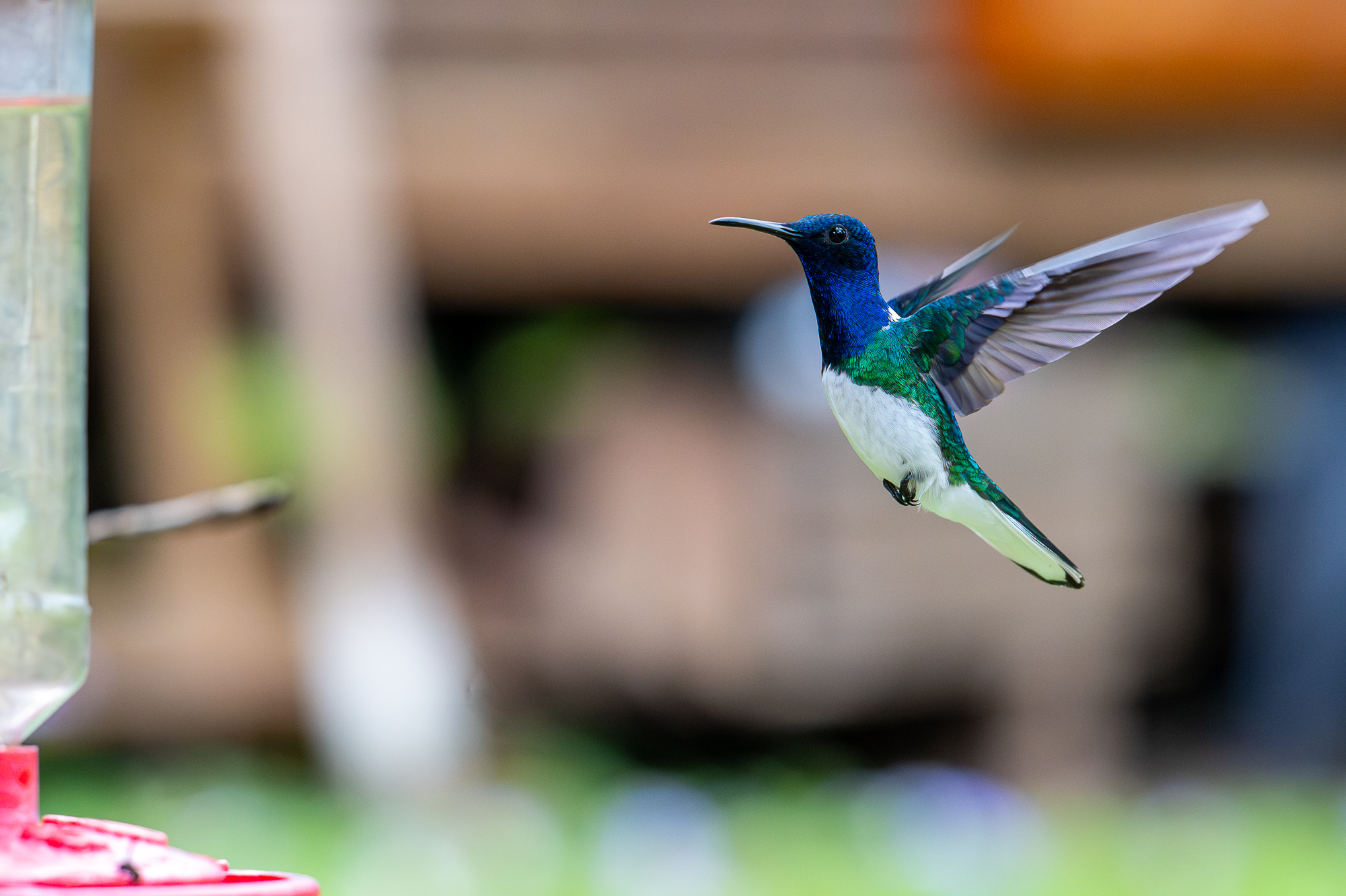
The butterfly farm also has feeders out and they're visited by around a dozen species of hummingbirds. The most numerous are these white-necked jacobins
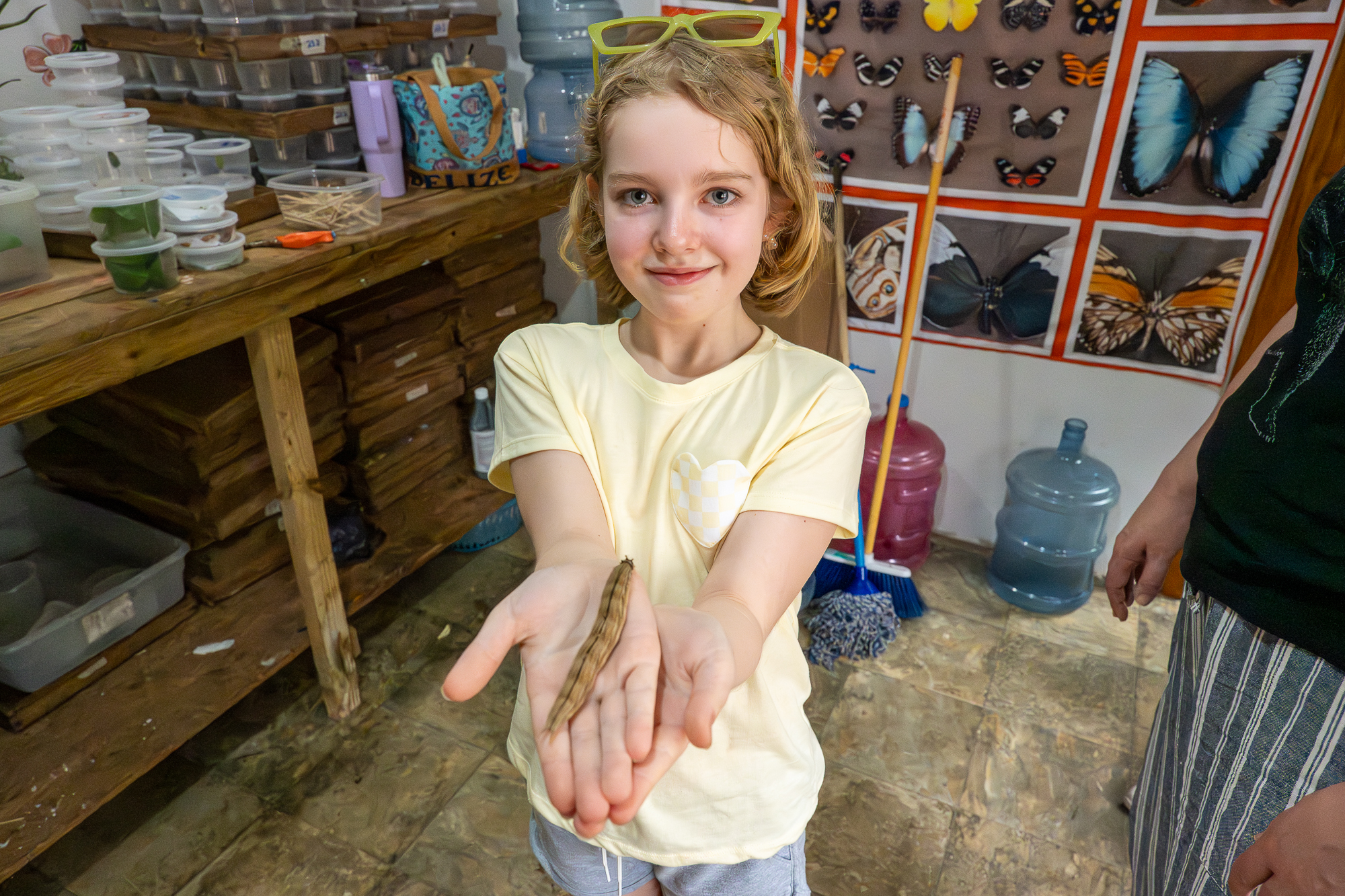
Imogen showing no fear - even with a giant caterpillar crawling on her.
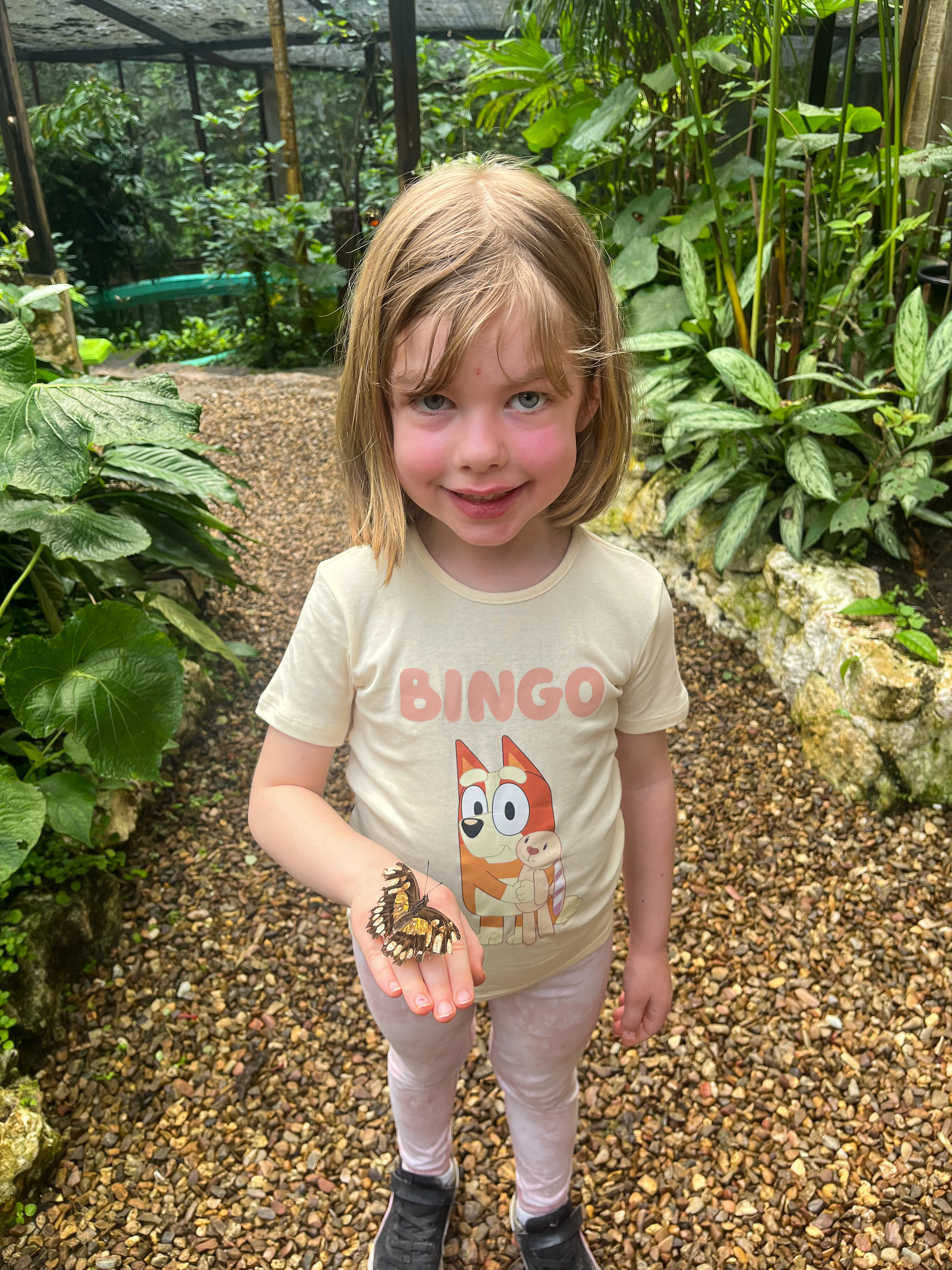
Leighton showing off a new friend
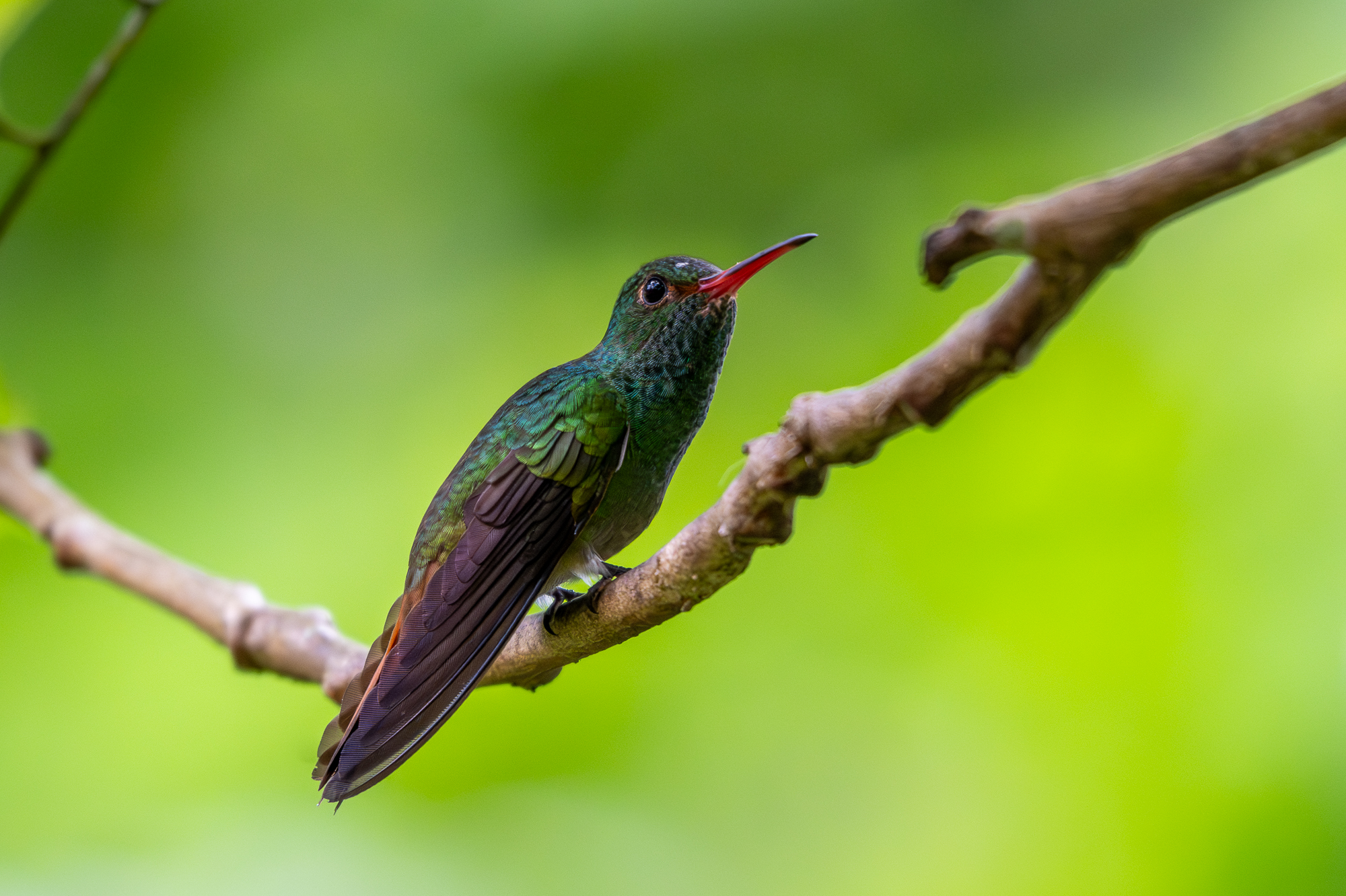
A rufous-tailed hummingbird
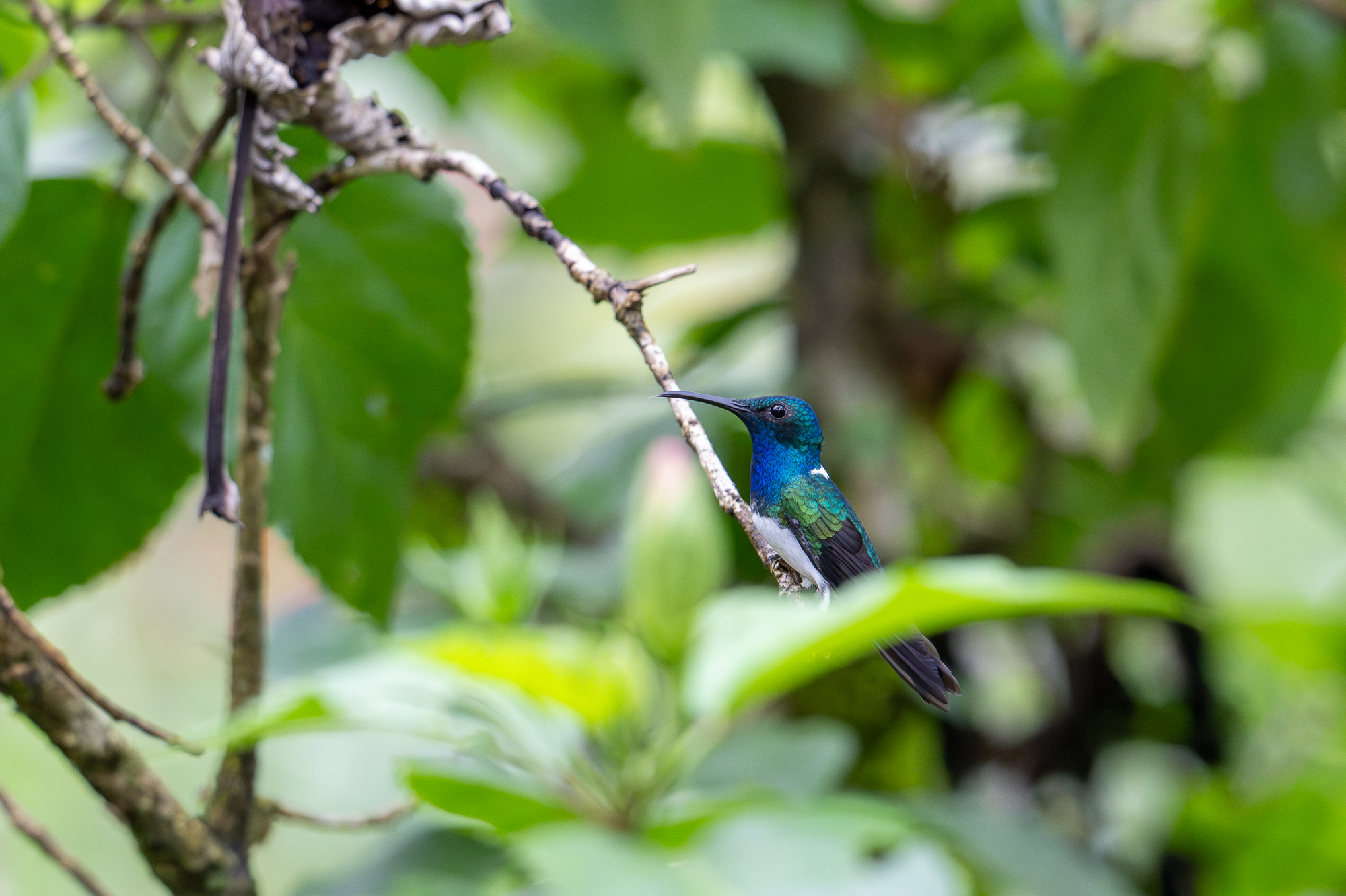
A white-necked jacobin perches near the feeders
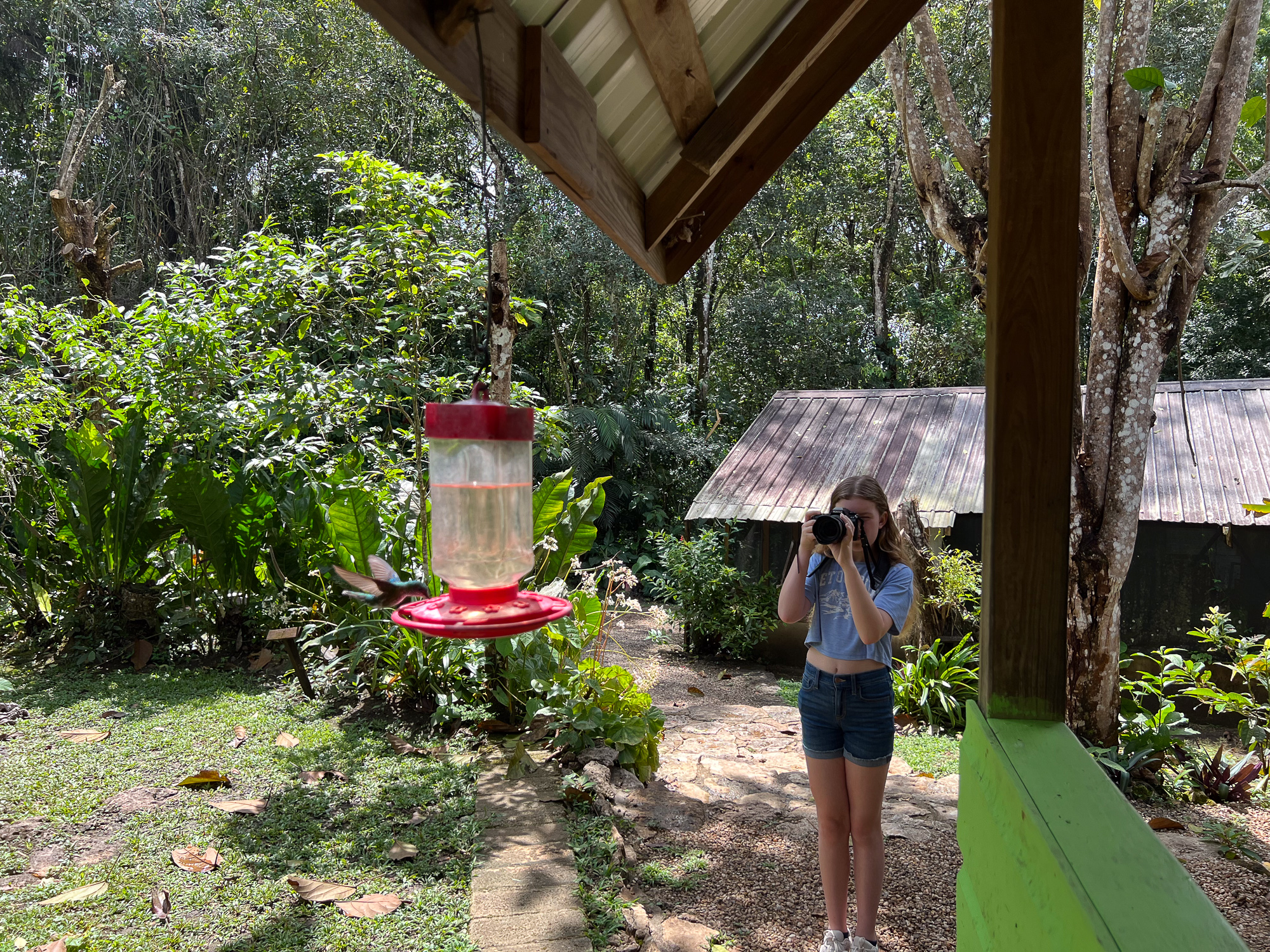
Sloane wasn't a fan of having butterflies land all over her, but taking photos of hummingbirds? That she could get behind.
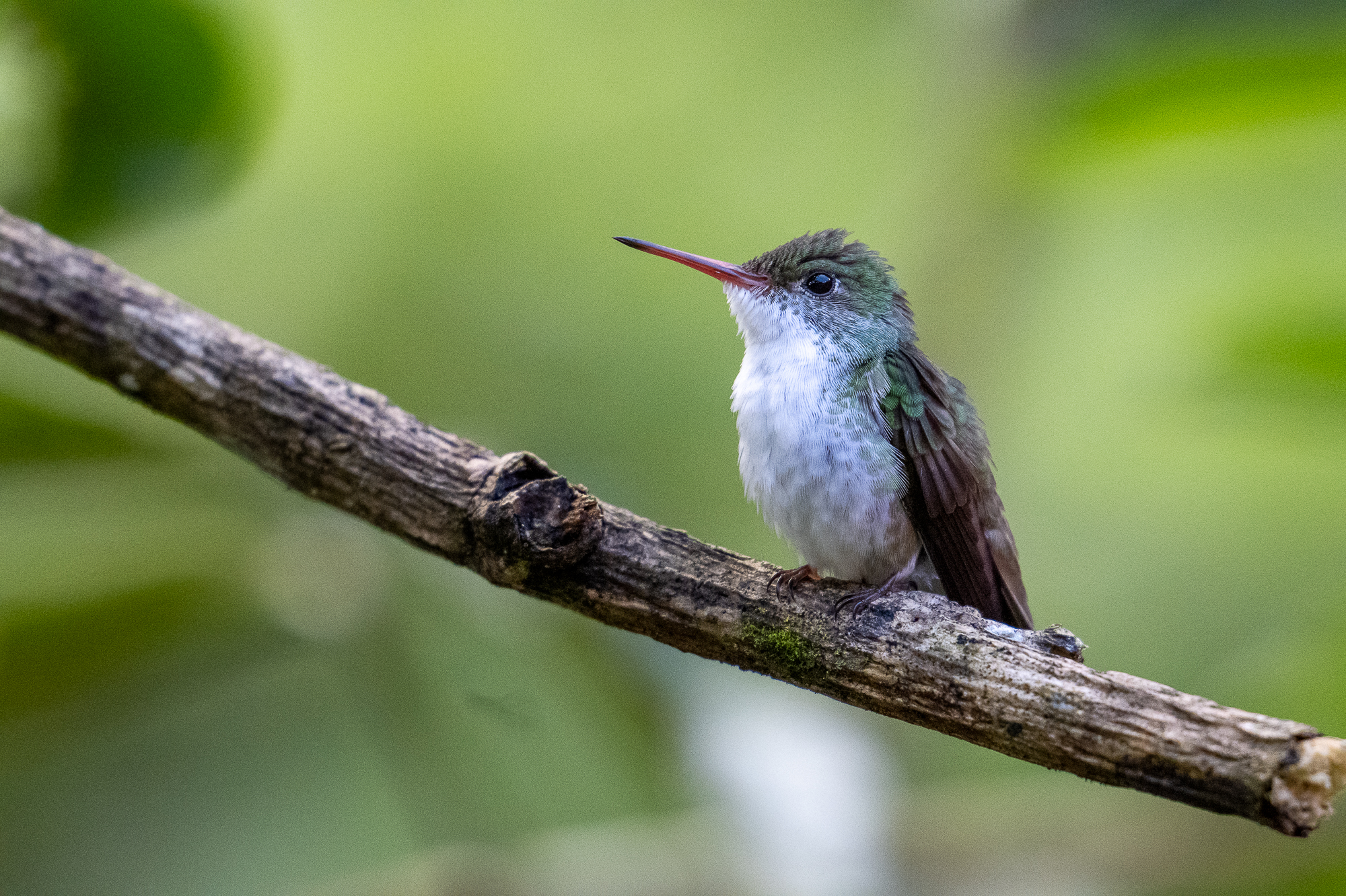
One final hummingbird from our visit to the butterfly farm (it was a hard task to get this section down to just 4 photos!) This one a White-bellied emerald.
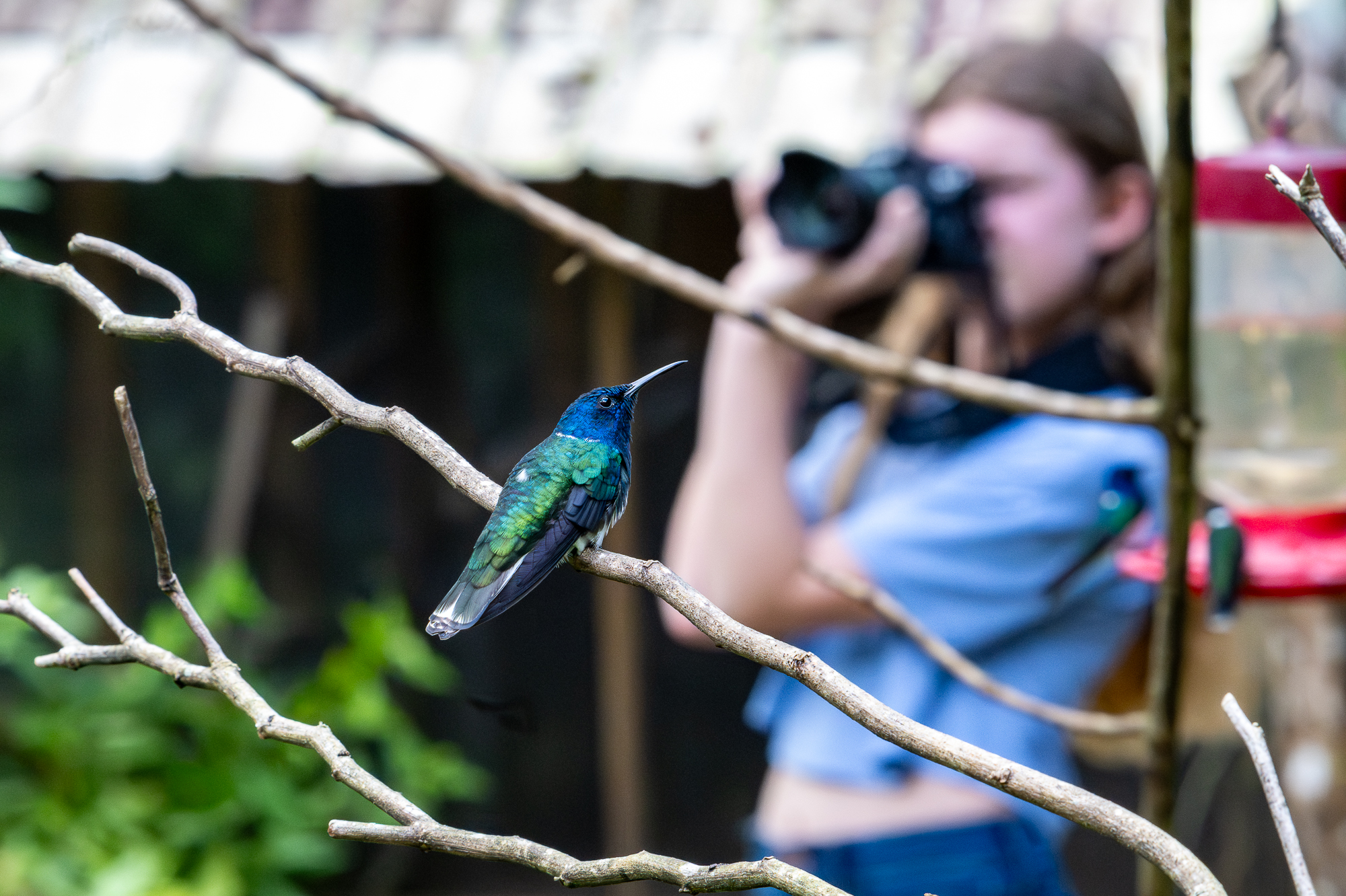
Focusing in.
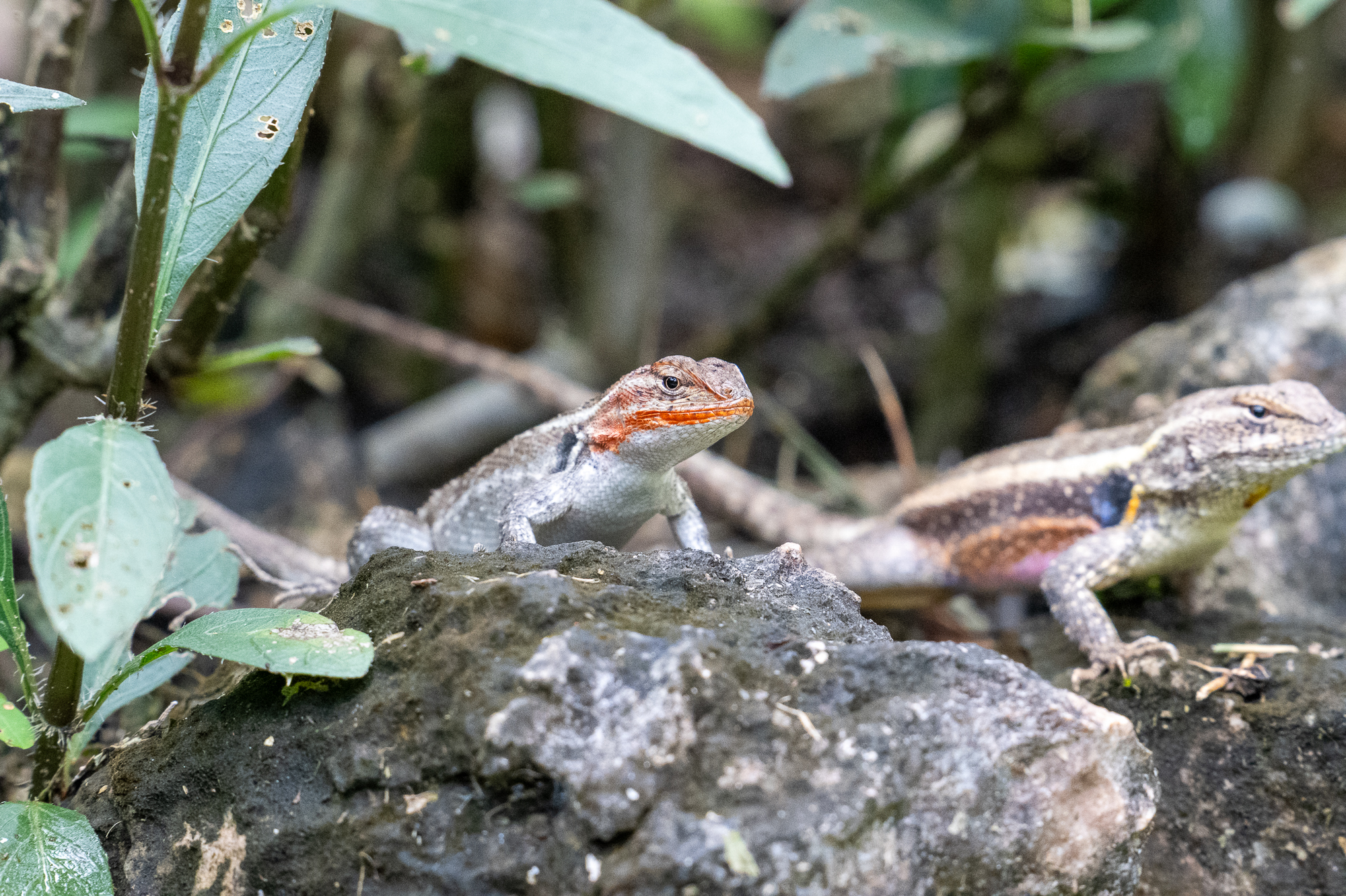
These rose-bellied lizards remind me of the Joker from the Dark Knight.
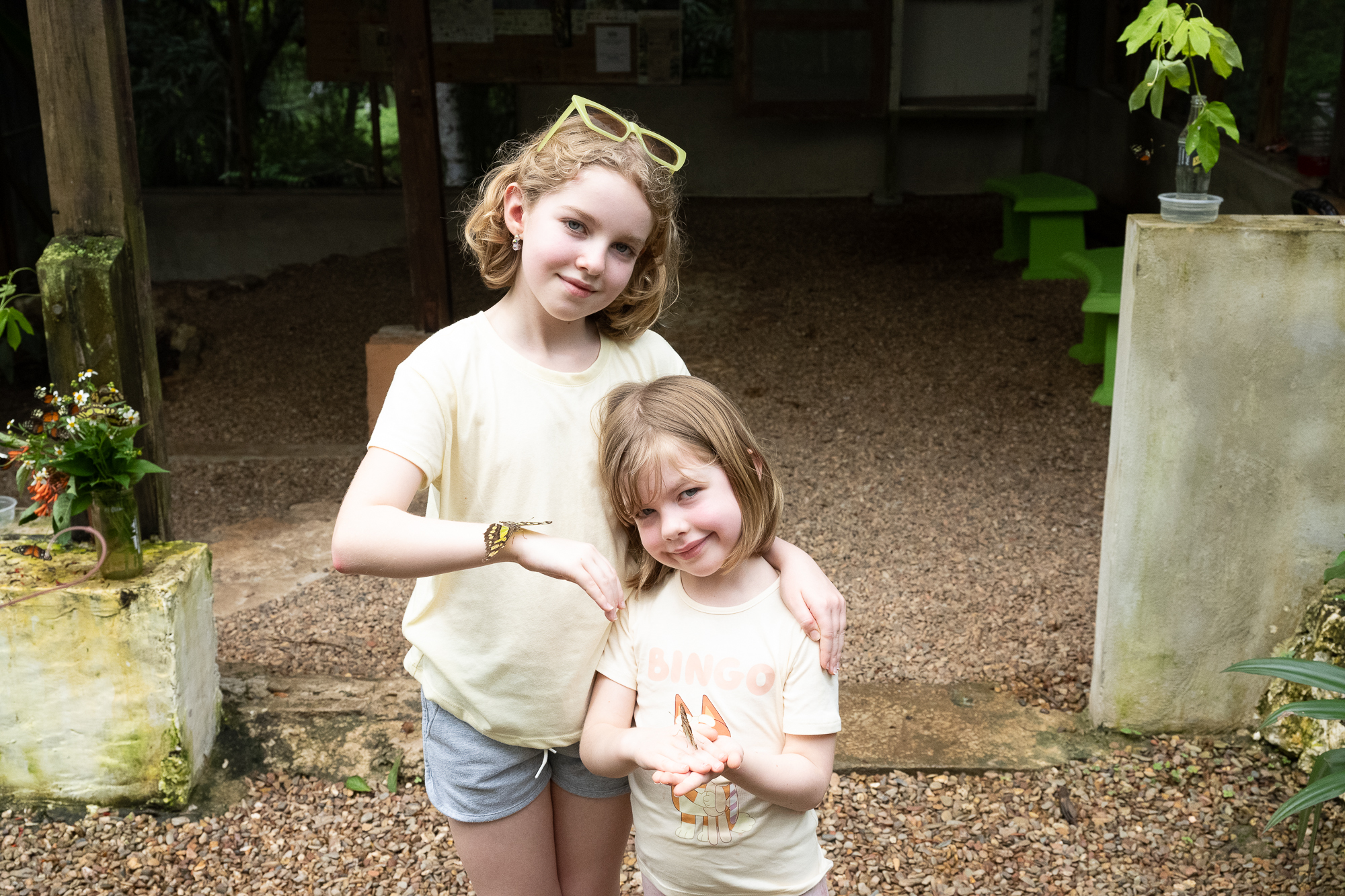
Butterfly whisperers
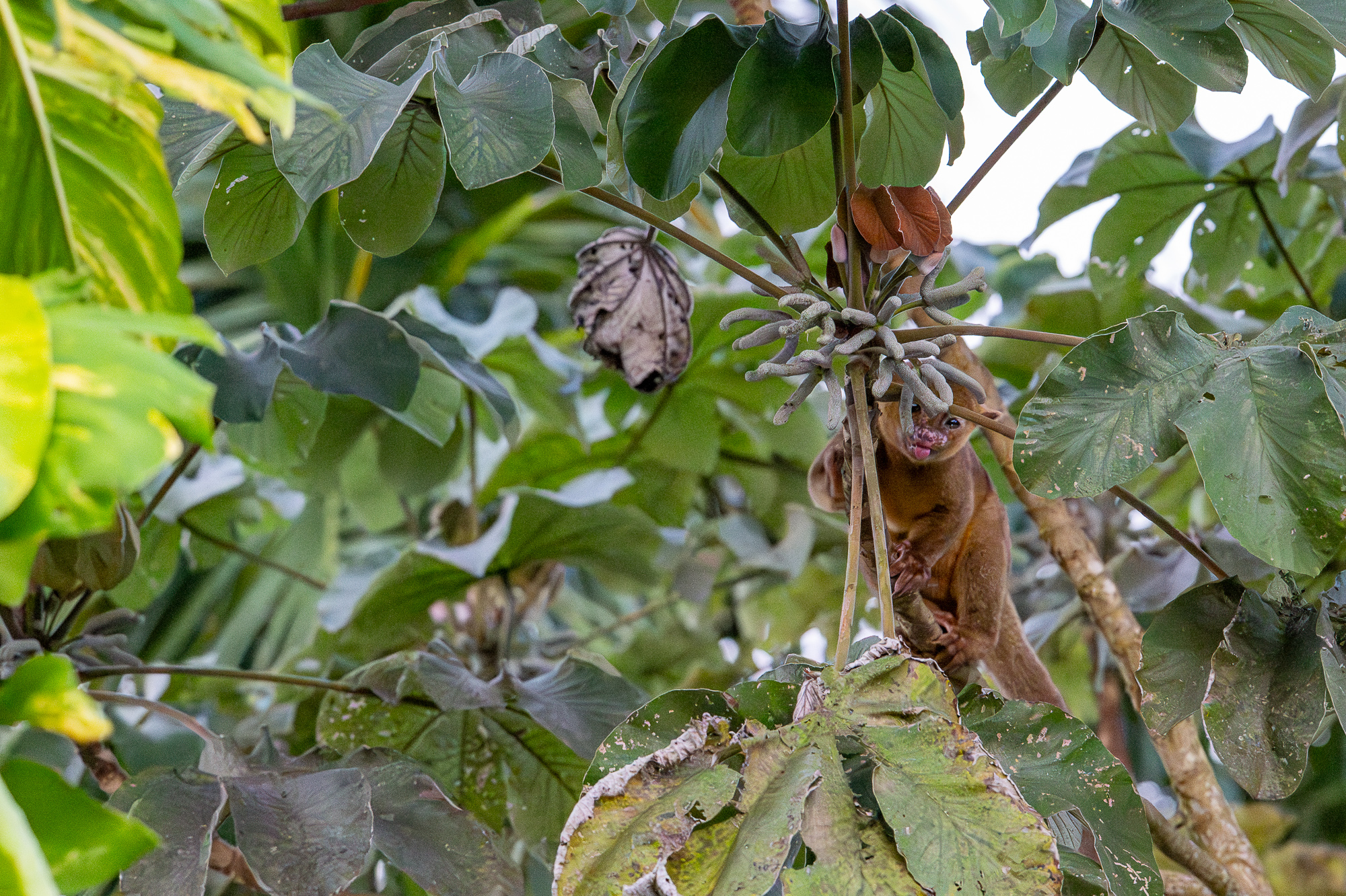
A kinkajou came to join us for dinner one night in San Ignacio
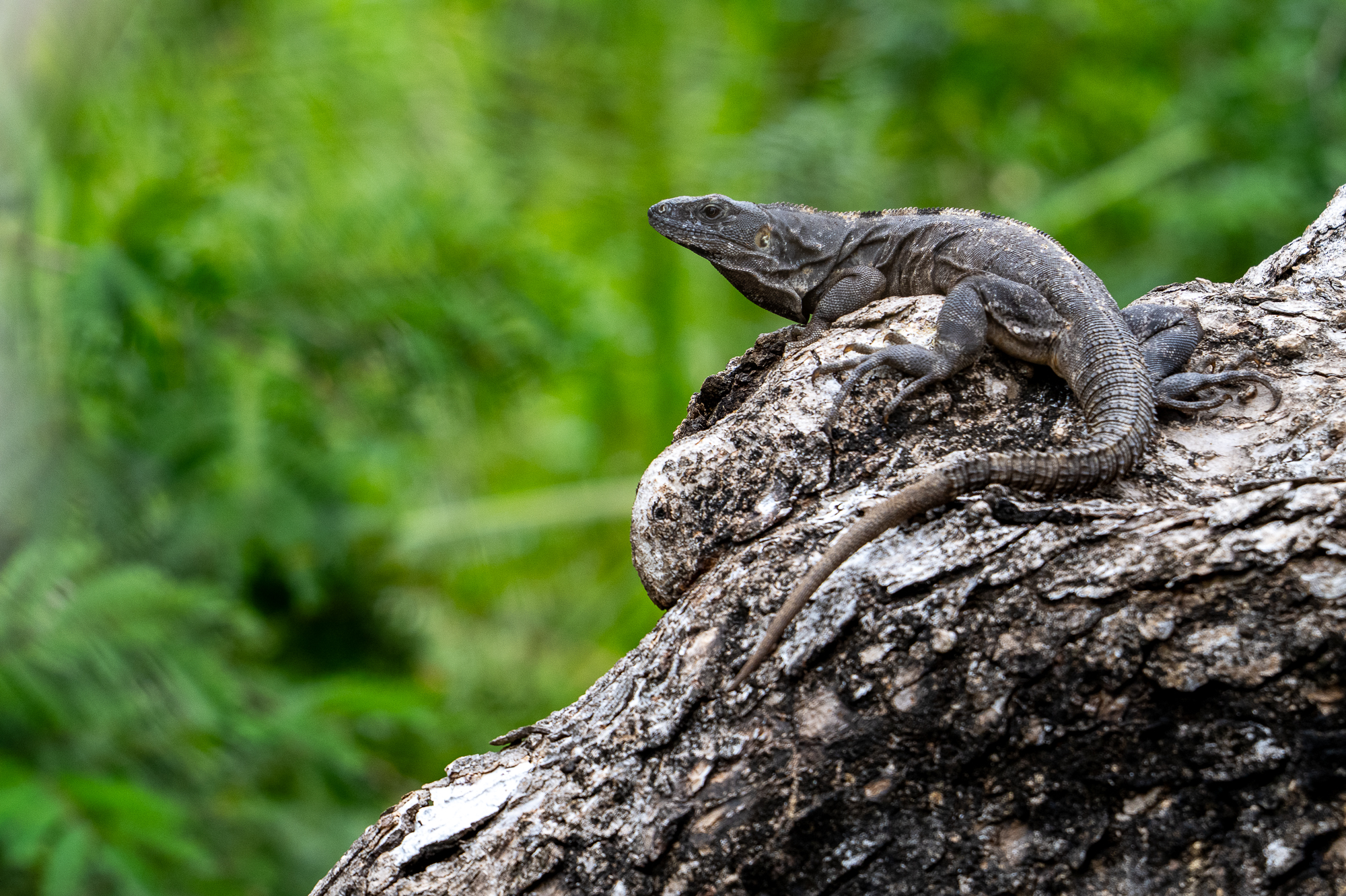
We arose early for a long drive to Orange Walk in the Northern part of Belize, and from there caught a boat to take us to the Mayan ruins of Lamanai. Along the river we saw this black spiny-tailed iguana
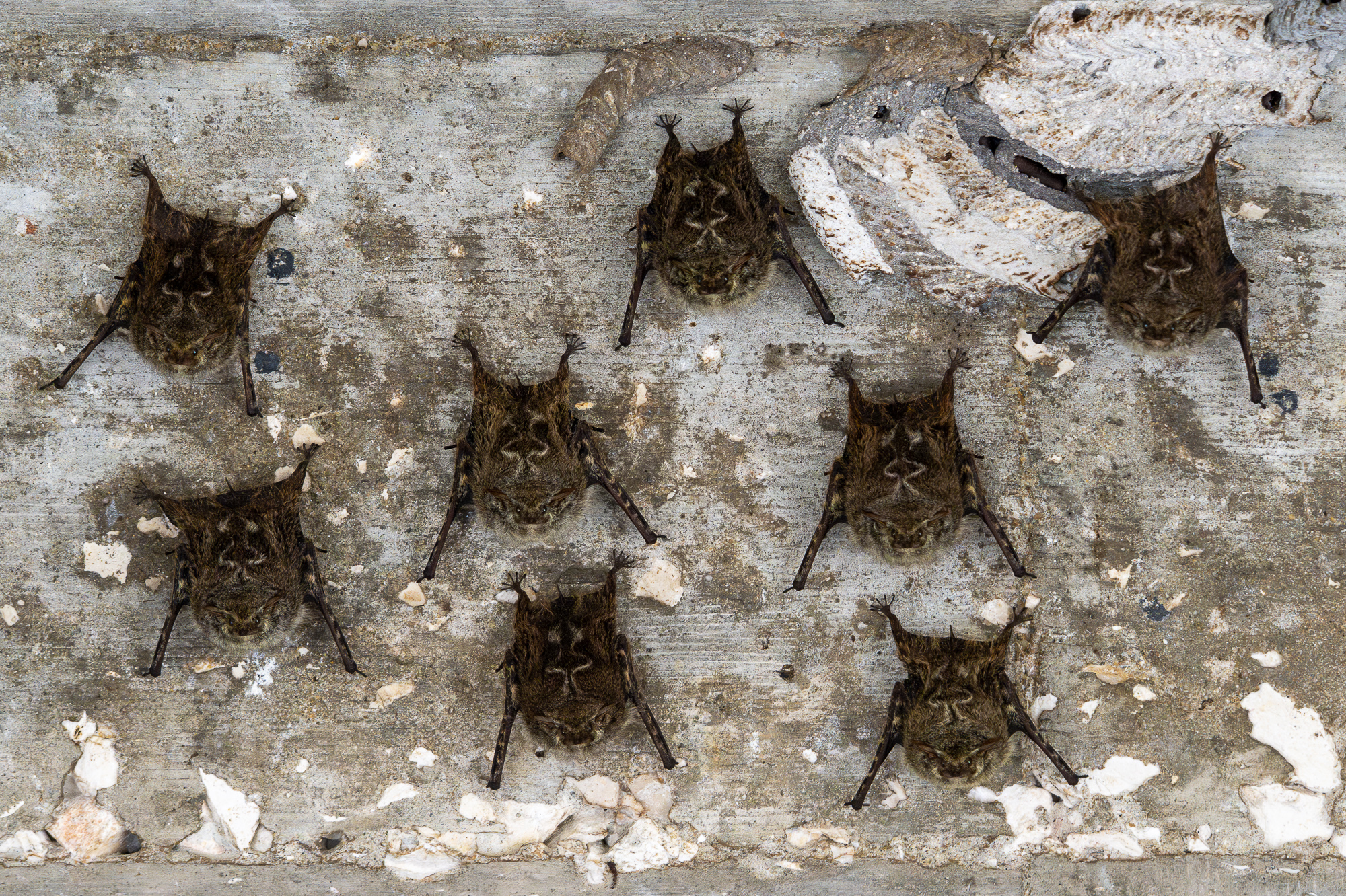
Proboscis bats clinging to the bottom of a bridge over the New River
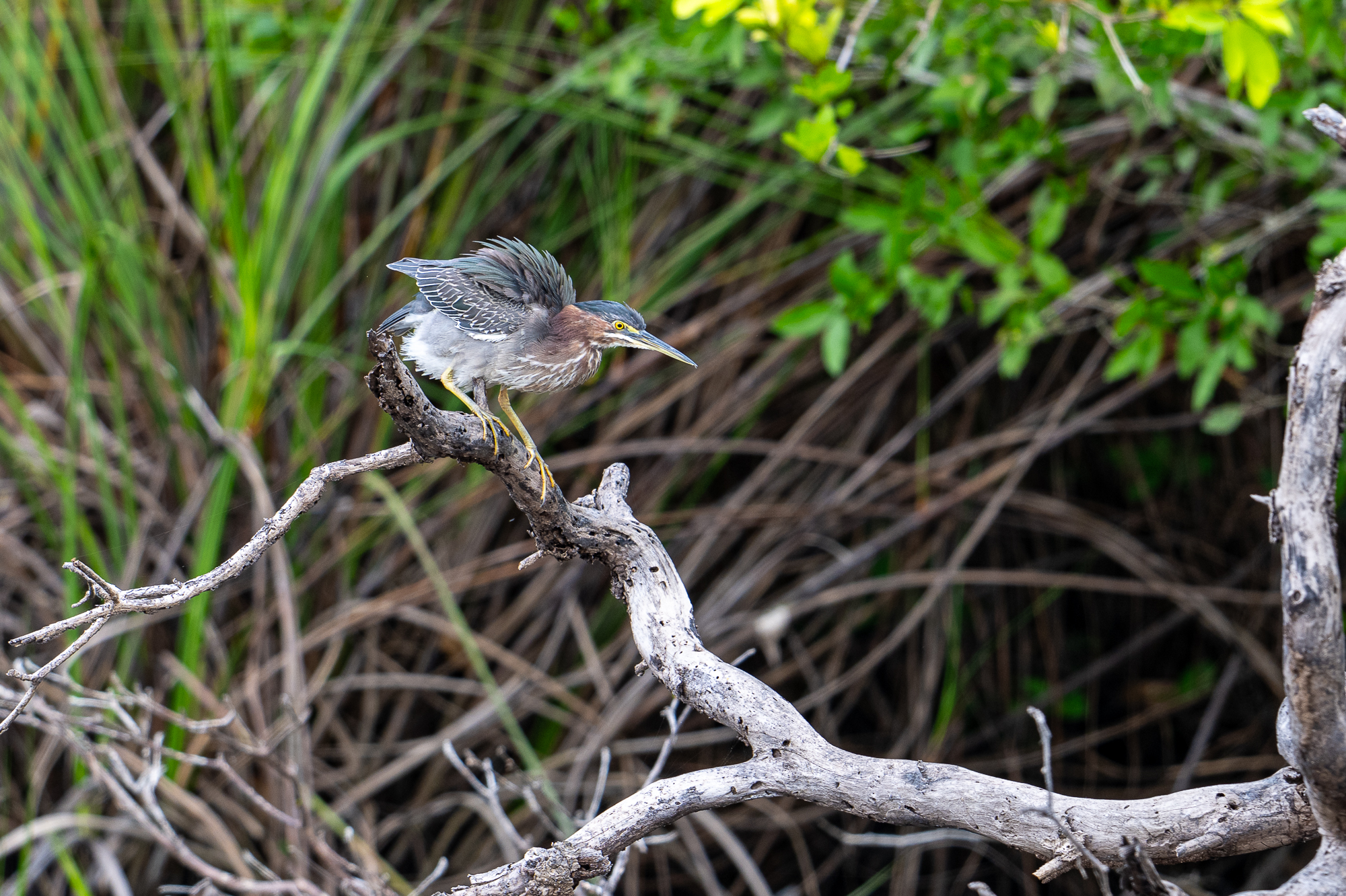
A green heron hunting for breakfast
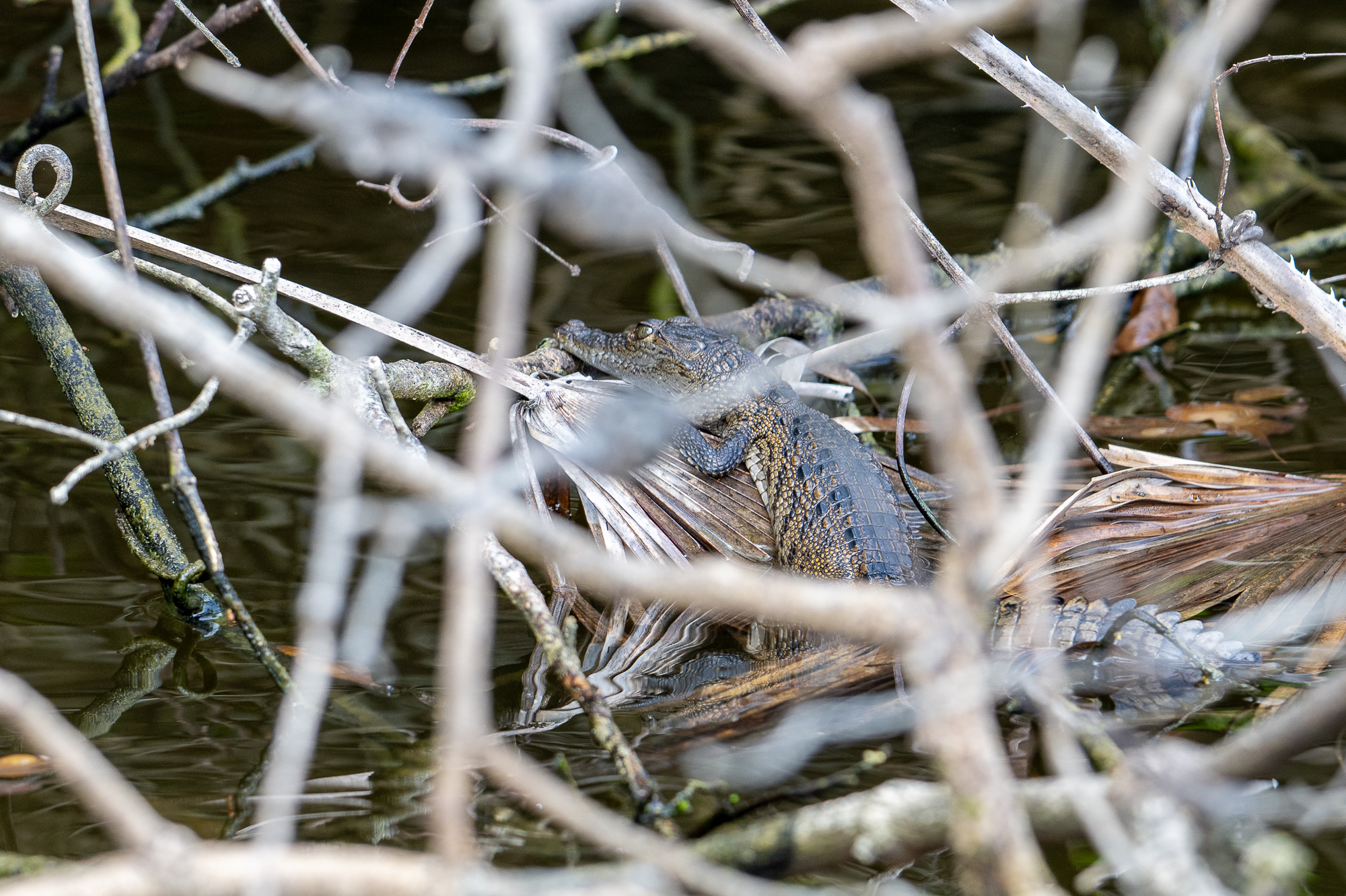
A baby Morelet's Crocodile in the New River
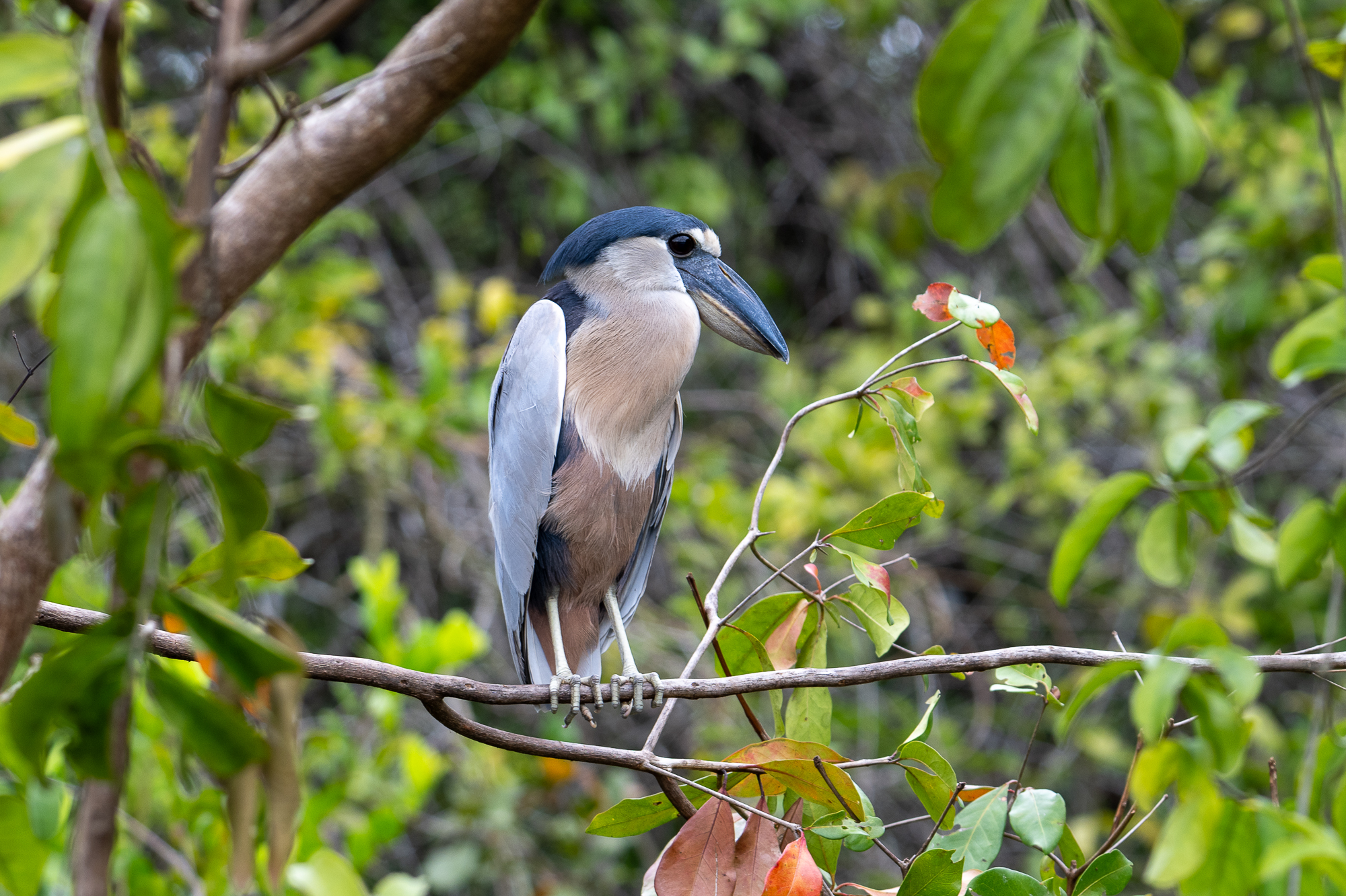
Boat-billed herons are nocturnal, so we were lucky to catch a glimpse of this one.
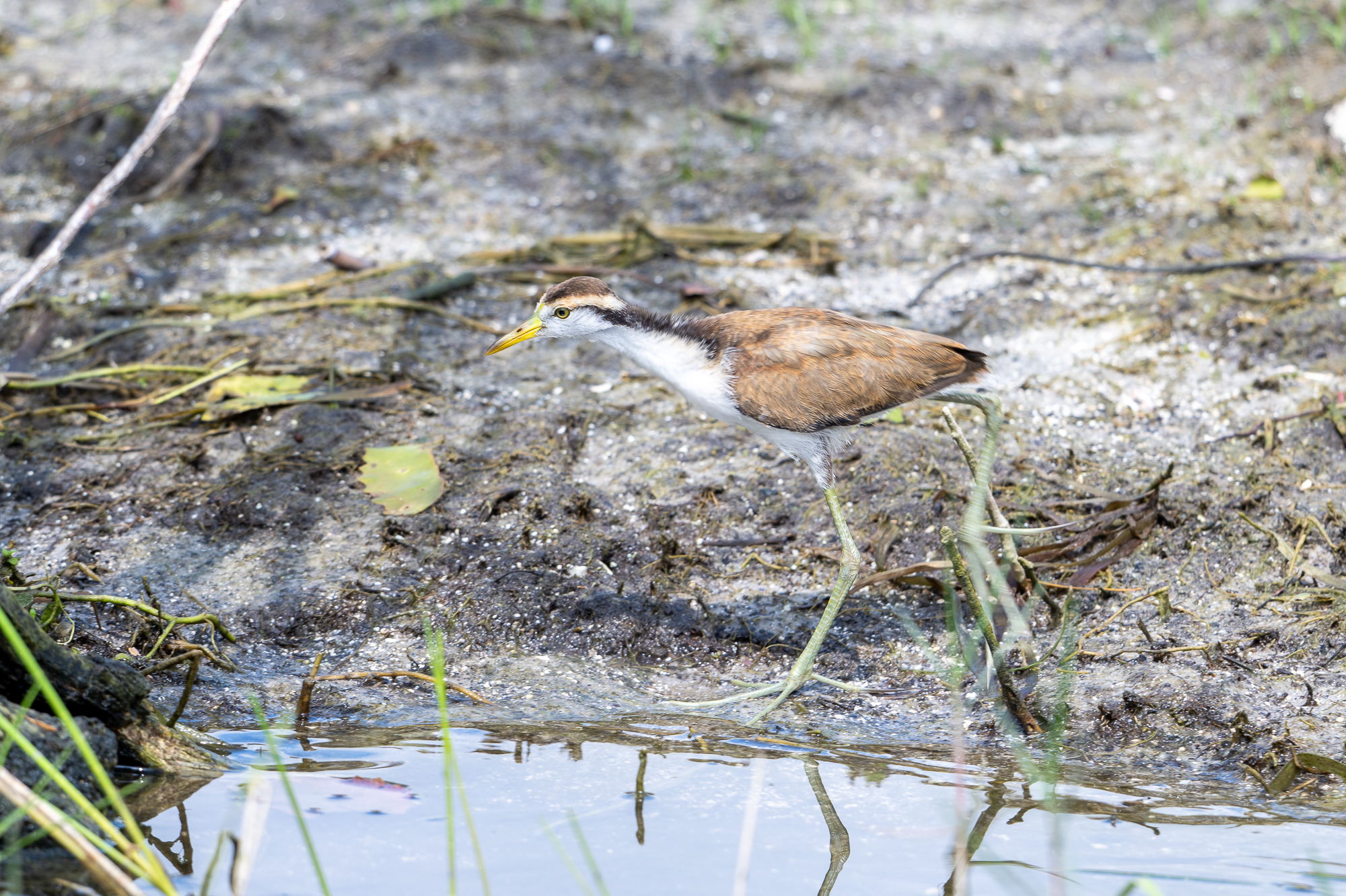
Northern Jacana
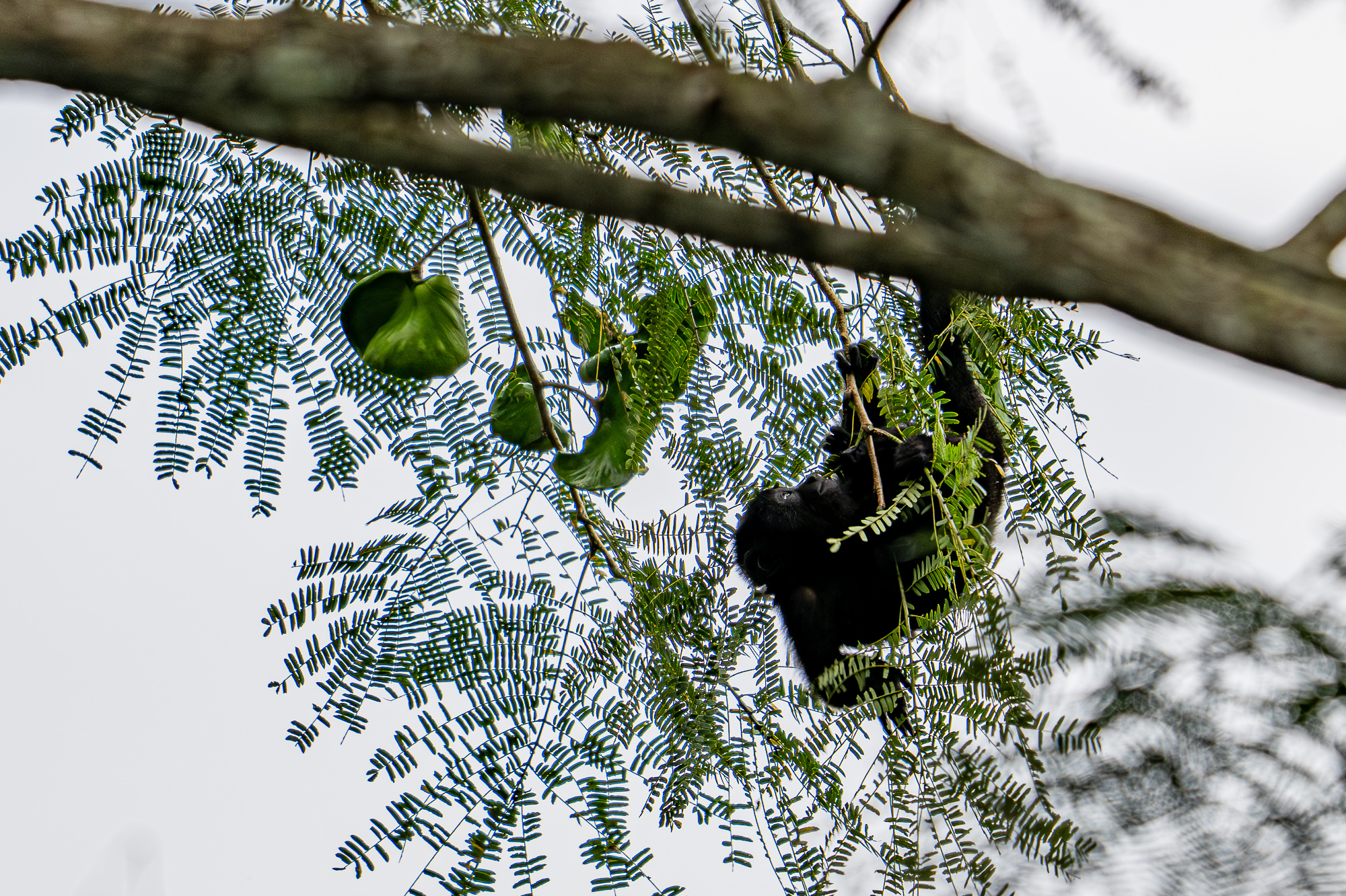
As we arrived at the Mayan site of Lamanai, we found this baby howler monkey dangling upside down from a tree
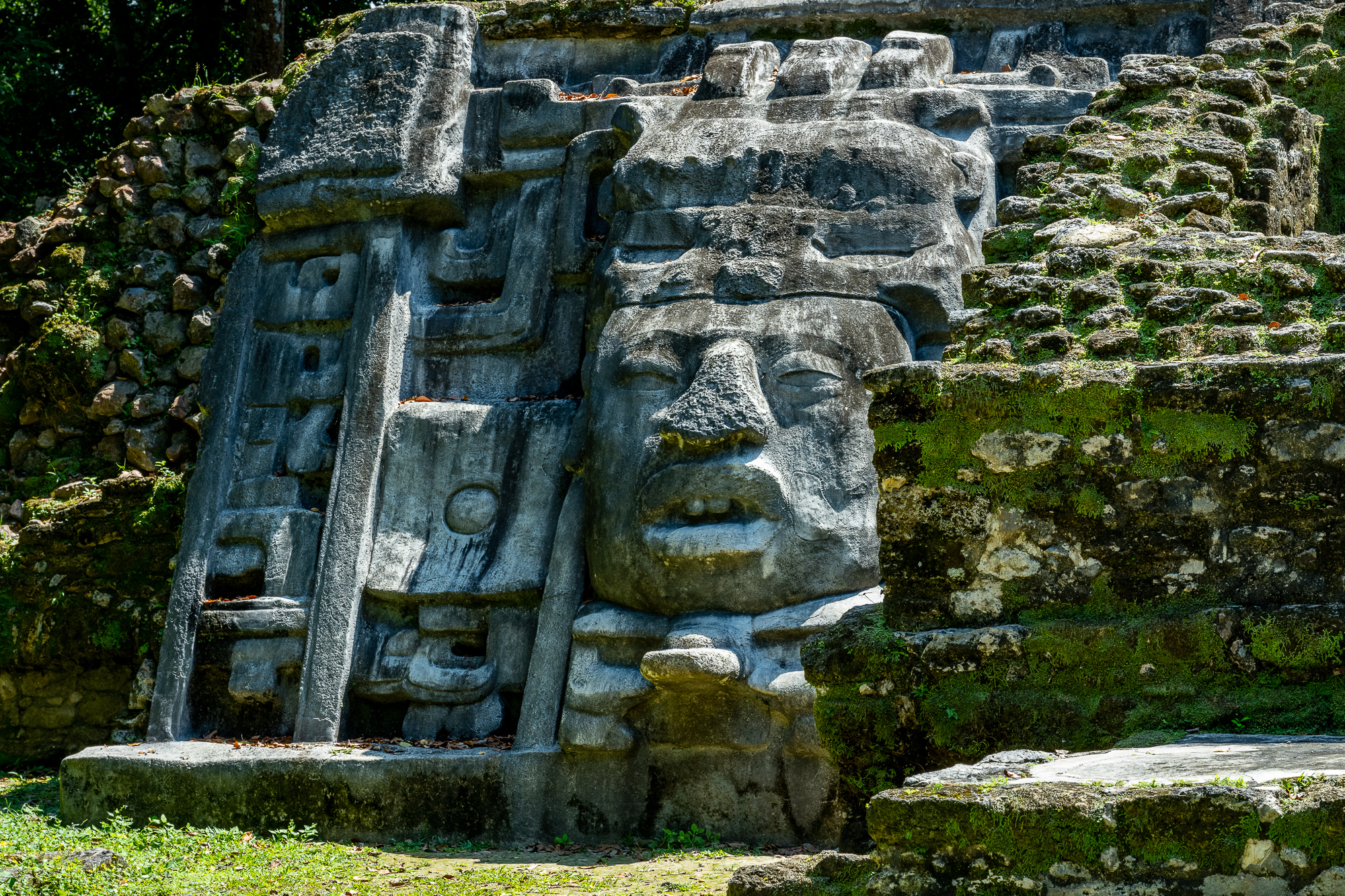
The Mask Temple at the Mayan ruins of Lamanai. The original masks have been removed for safe-keeping against the elements - this building now has a replica installed
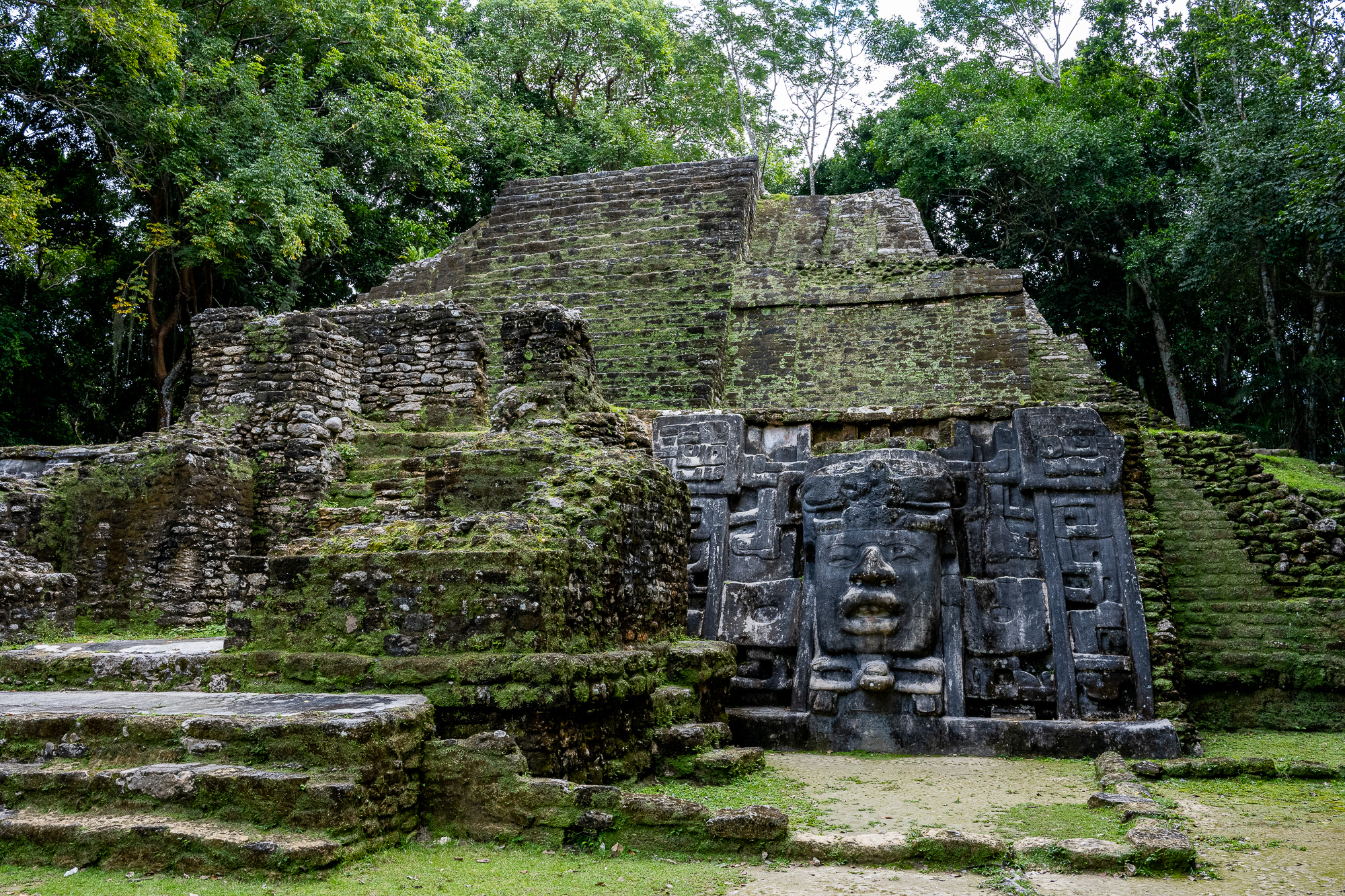
Lamanai means "submerged crocodile", a creature that would have been seen regularly along the banks of the river.
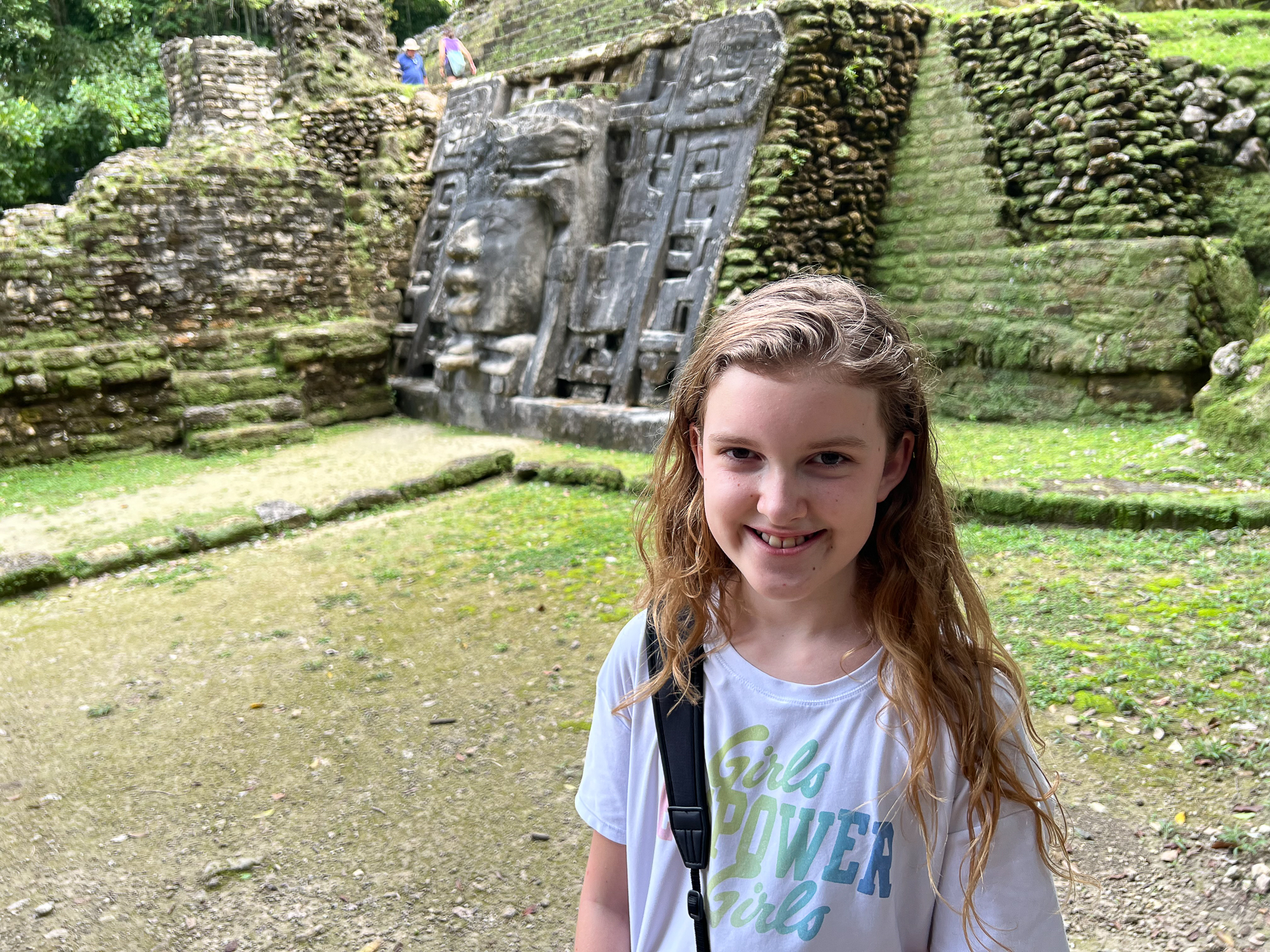
On this trip, I took each girl for a one-on-one excursion. Sloane's was the trip to Lamanai. It meant an early start, following a night where she slept very poorly and felt ill during the day. Her perseverance though was incredible. She wanted to make the trip and even though she was far from 100% she managed to really enjoy the day.
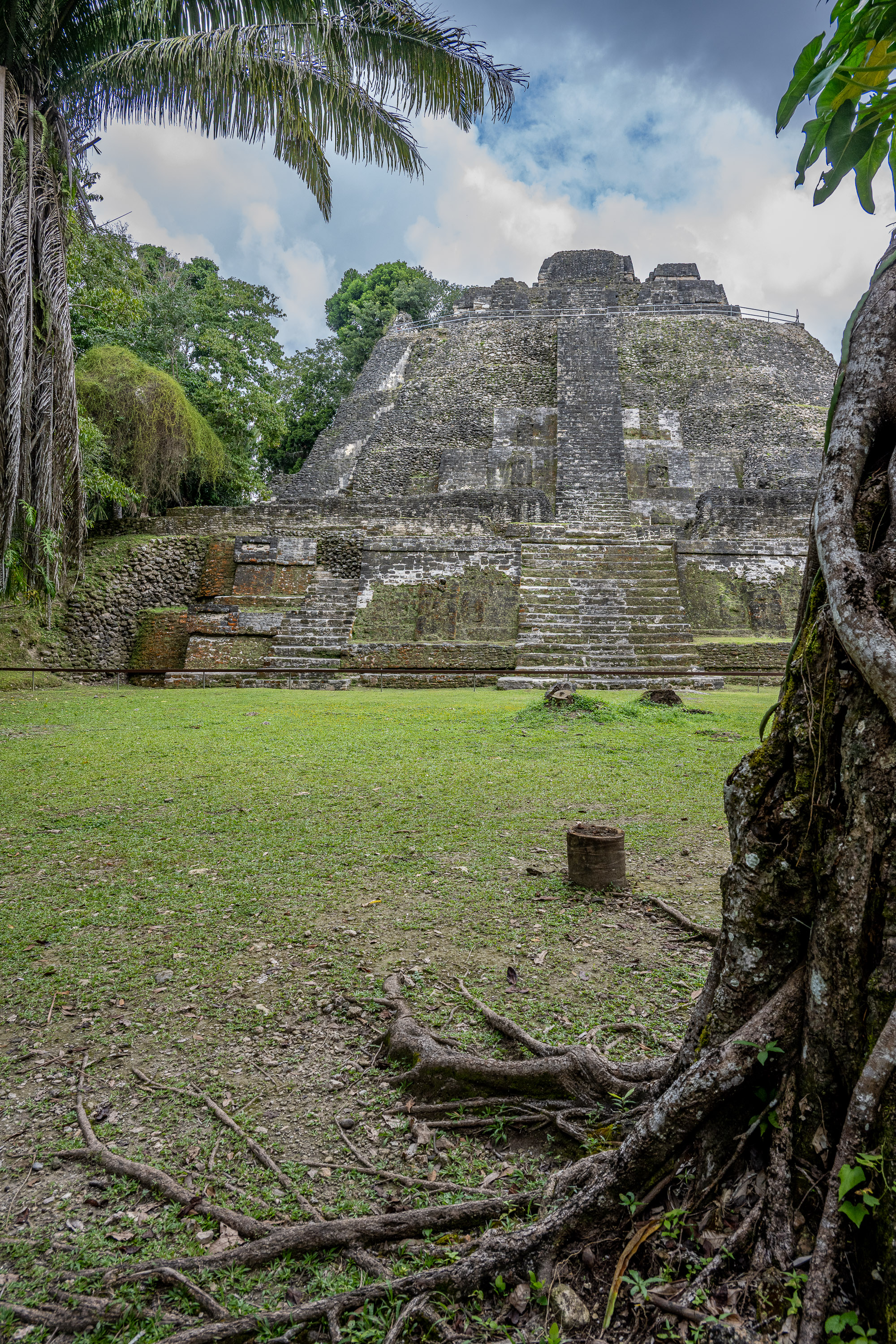
The High Temple at Lamanai. Unlike most Ancient Mayan sites, Lamanai wasn't abandoned and still was inhabited in to the 20th century.
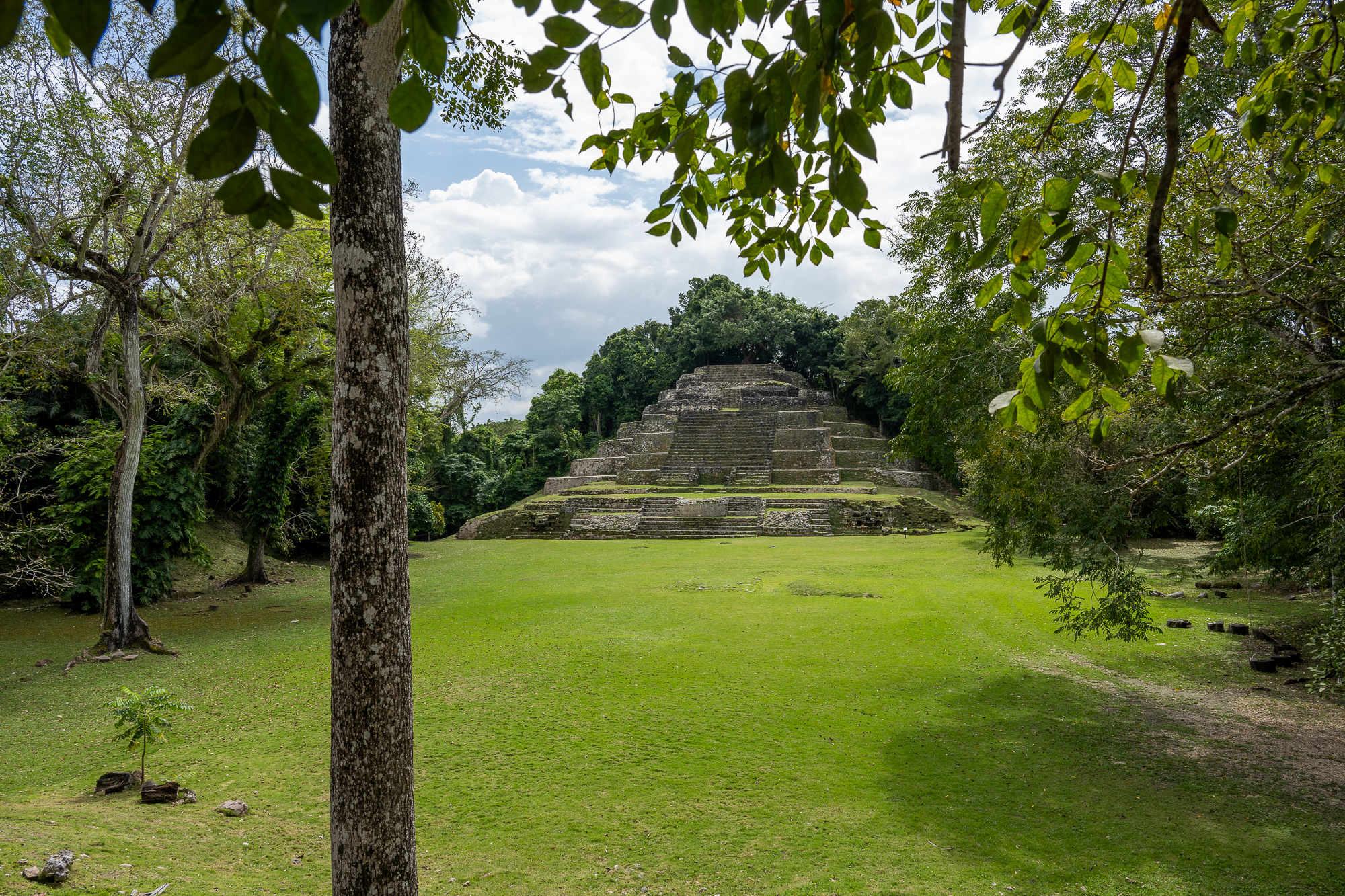
The Jaguar Masks Temple. The front has been recovered from the jungle, while the back remains obscured from sight. If fully excavated, it's expected that this would be the tallest structure in Lamanai.
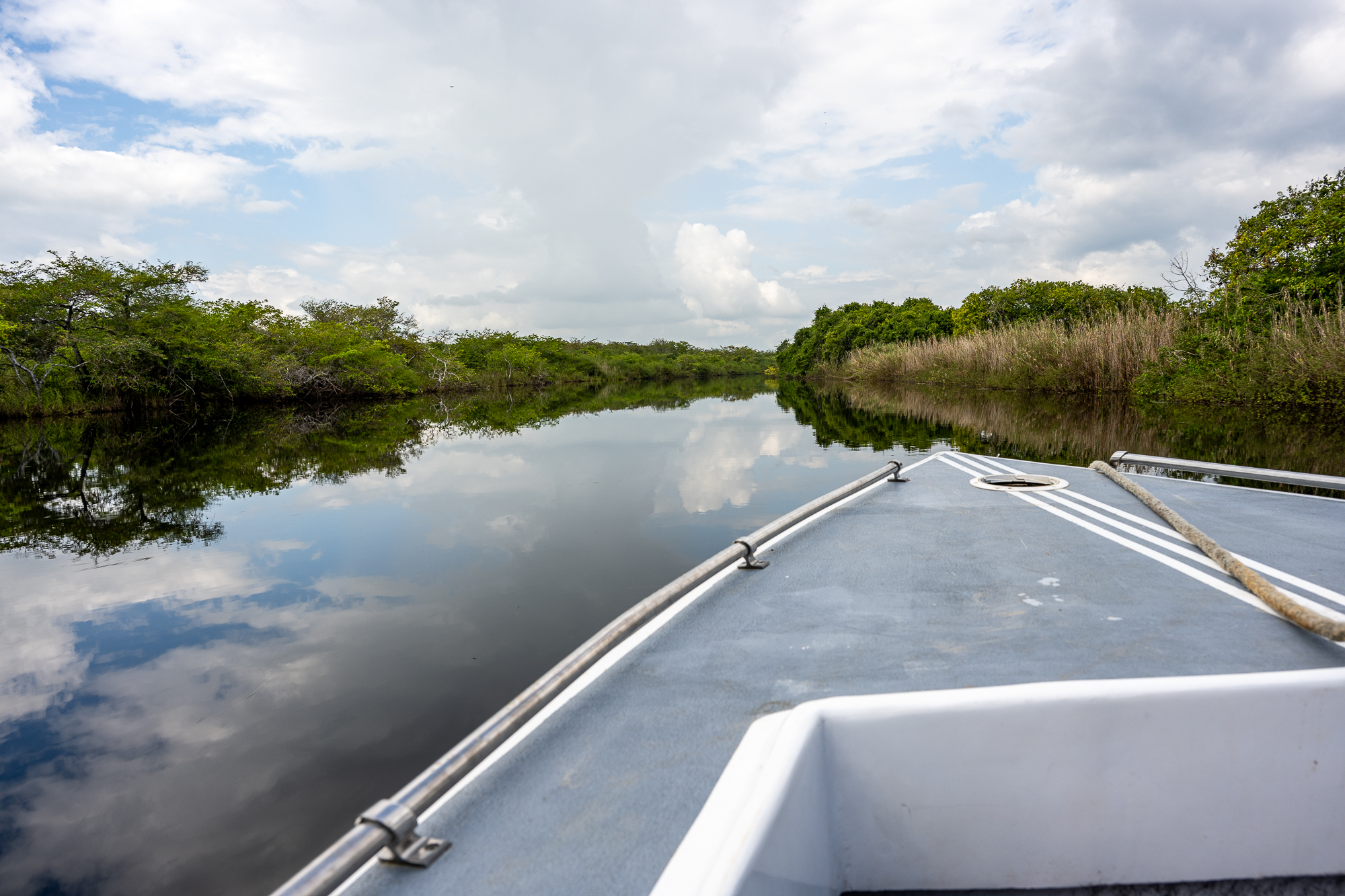
Boat ride back from Lamanai
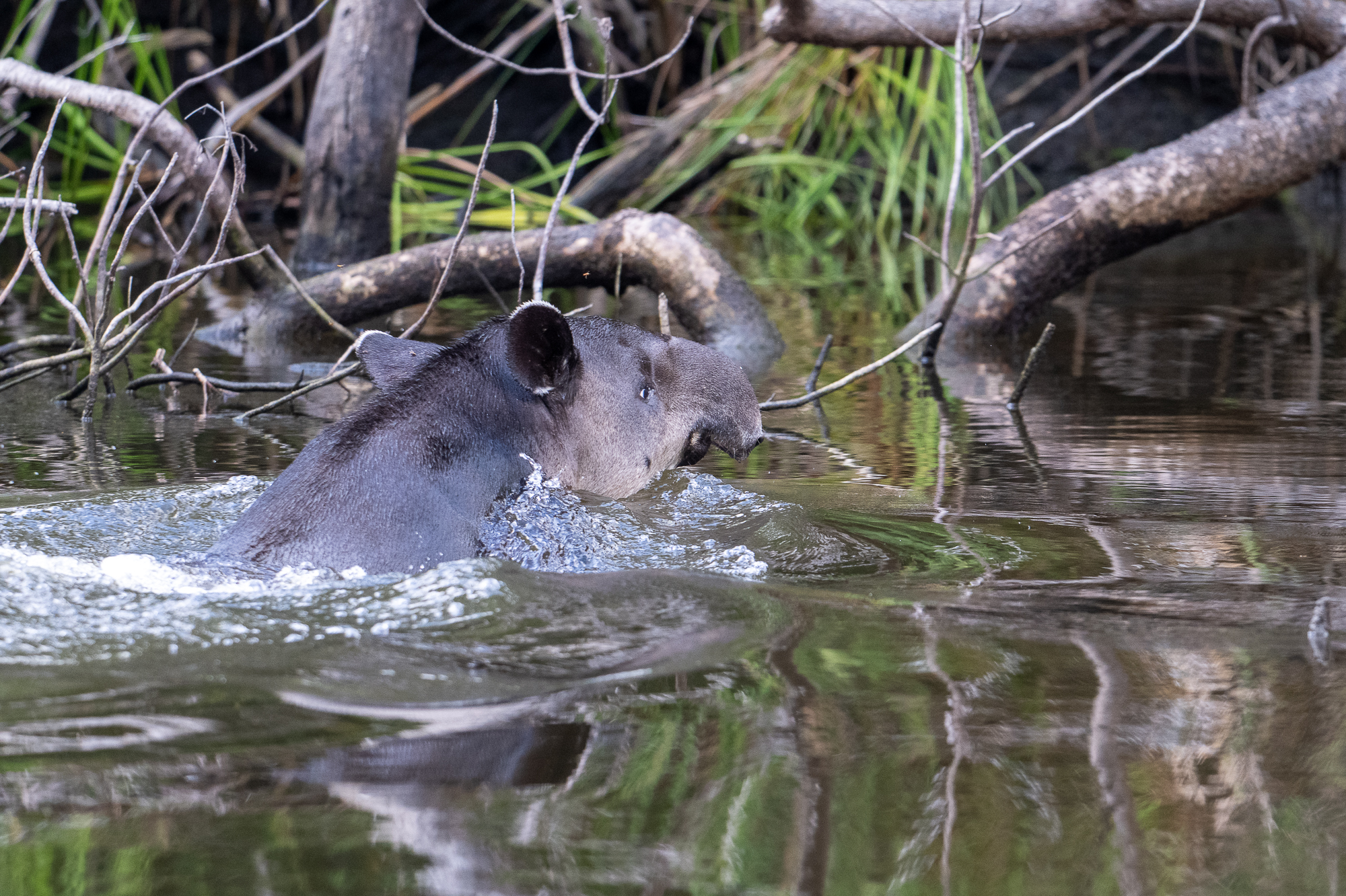
You know you've seen something rare when the boat captain who sails this river every day is excited at the sight. Our captain said this was only the second Baird's Tapir he's ever seen in over 10 years. Secretive and mostly nocturnal, these are the largest land mammal in Central America, growing to 250 kgs.
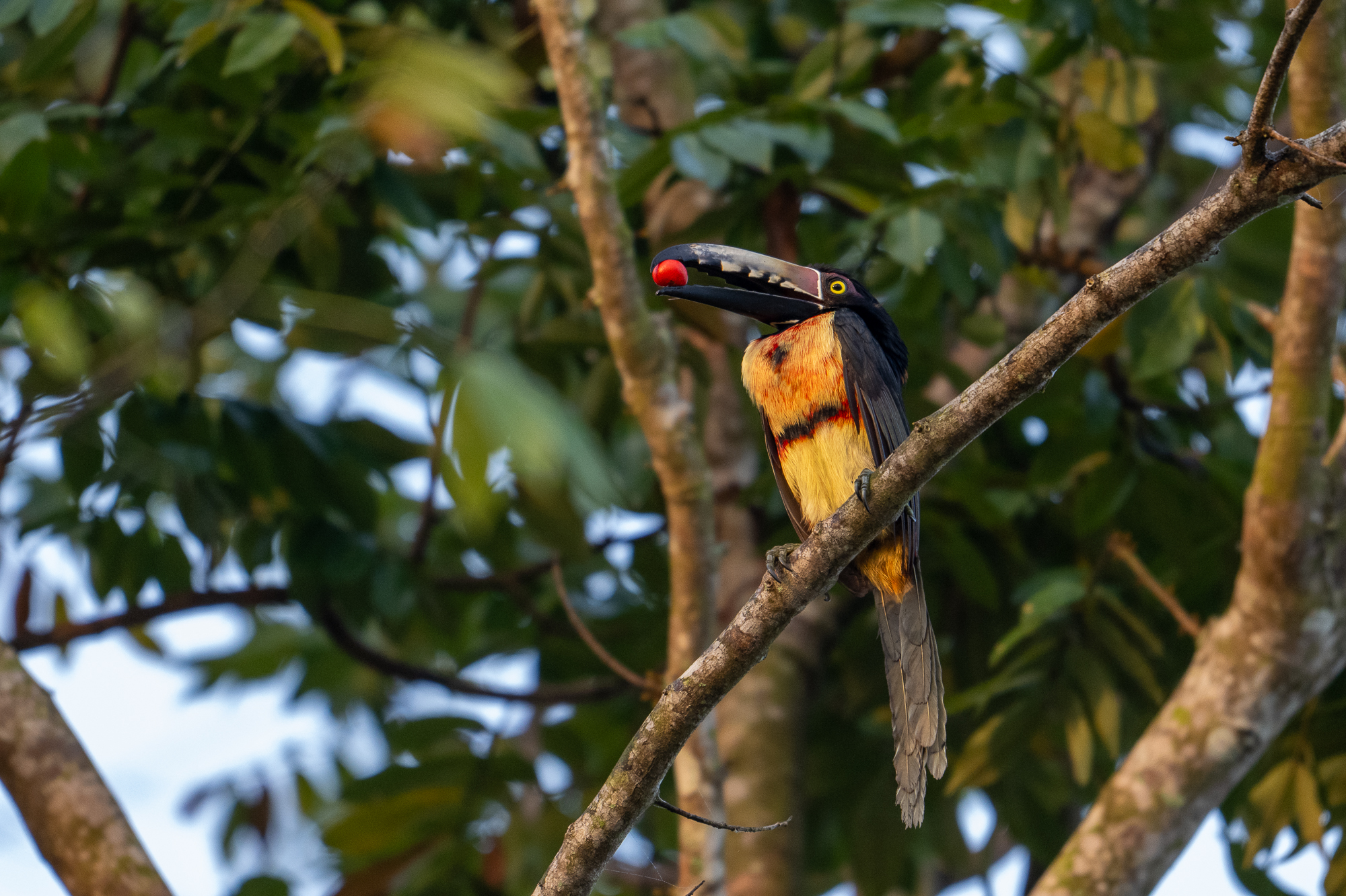
The stunning Collared Aracari
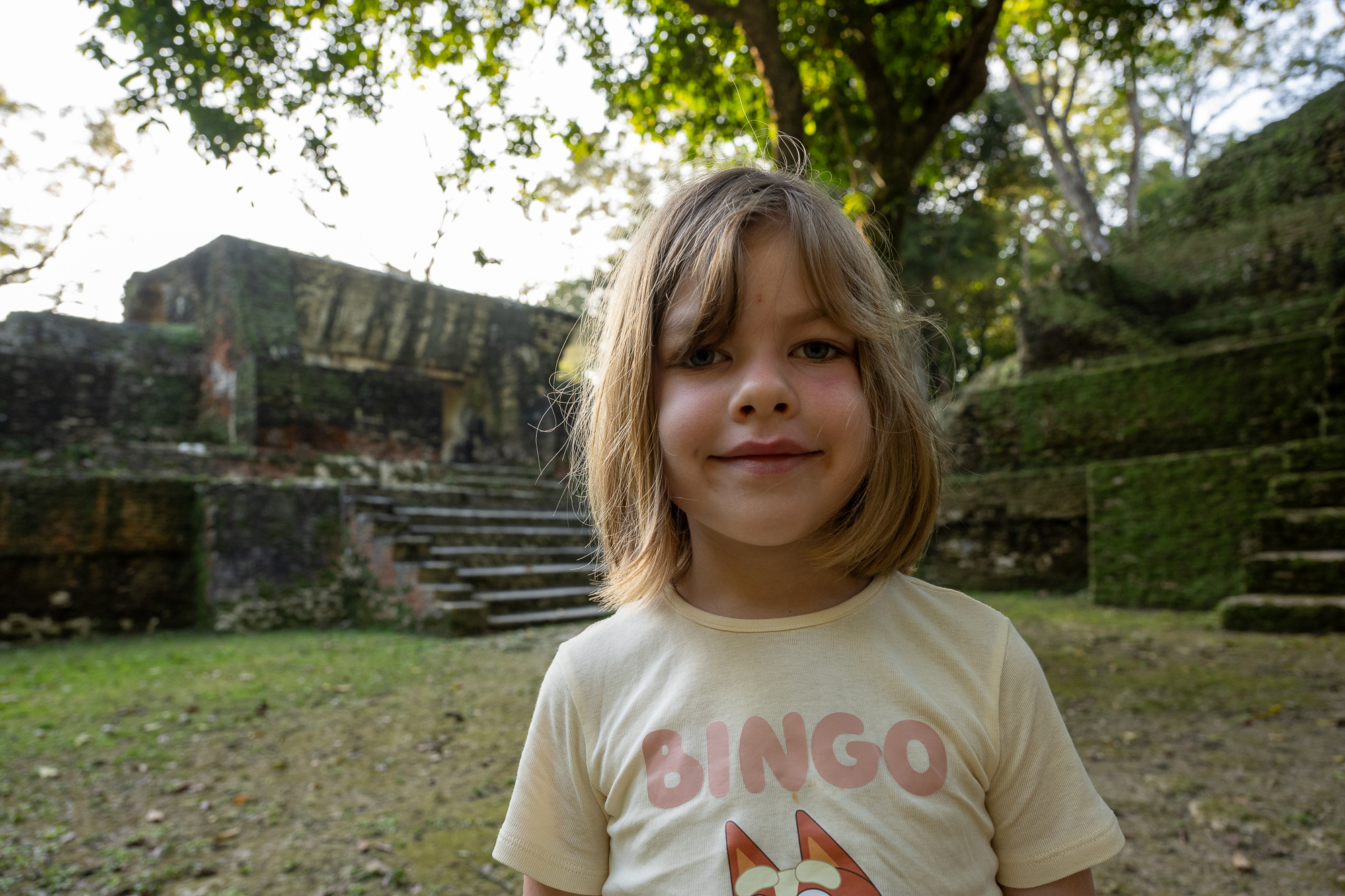
Leighton & my solo adventure was a morning trip back in to the ruins at Cahal Pech. She helped me look for wildlife as we climbed around the ancient buildings.
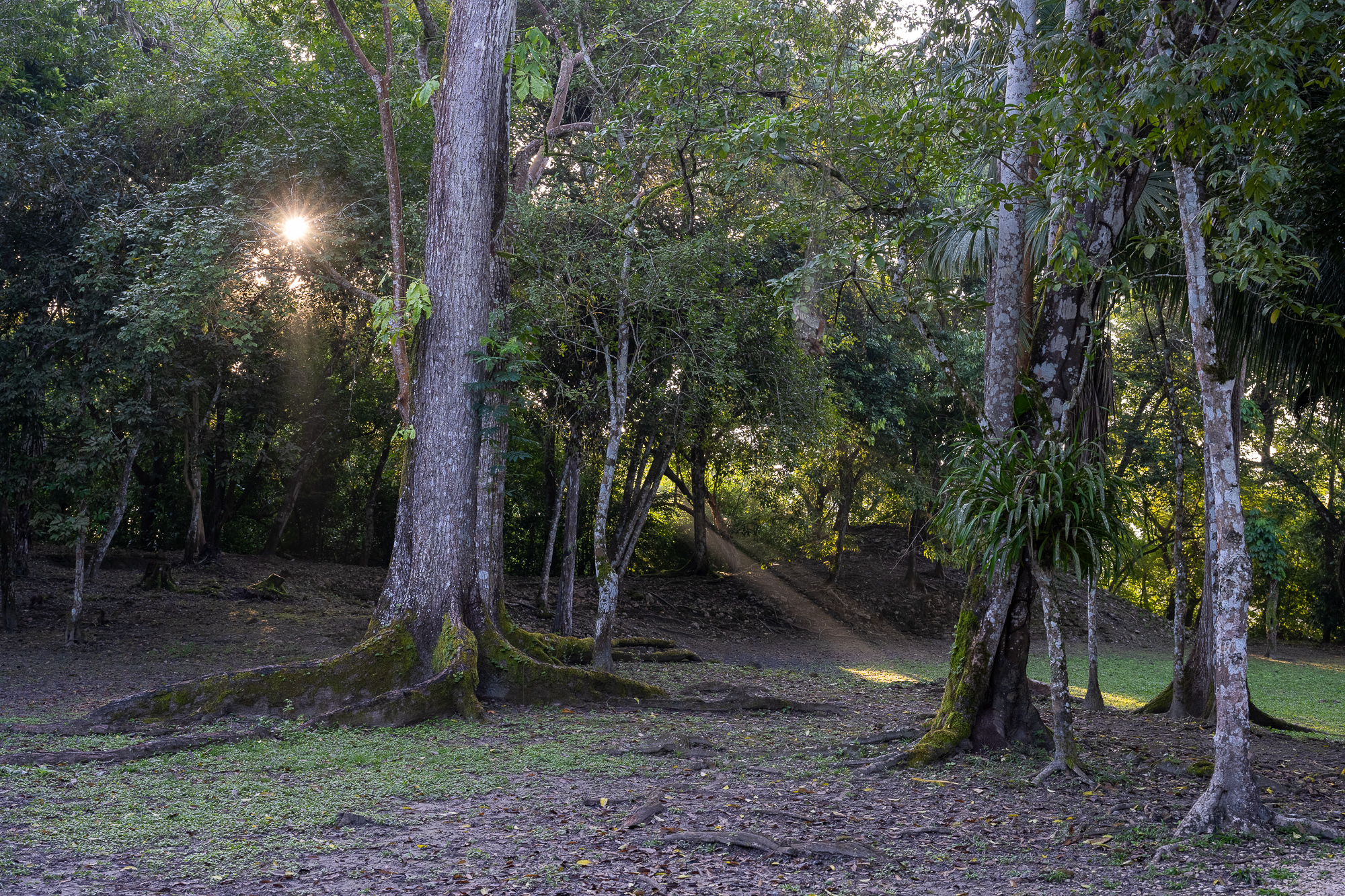
A lone ray of sun bursts through the jungle at Cahal Pech.
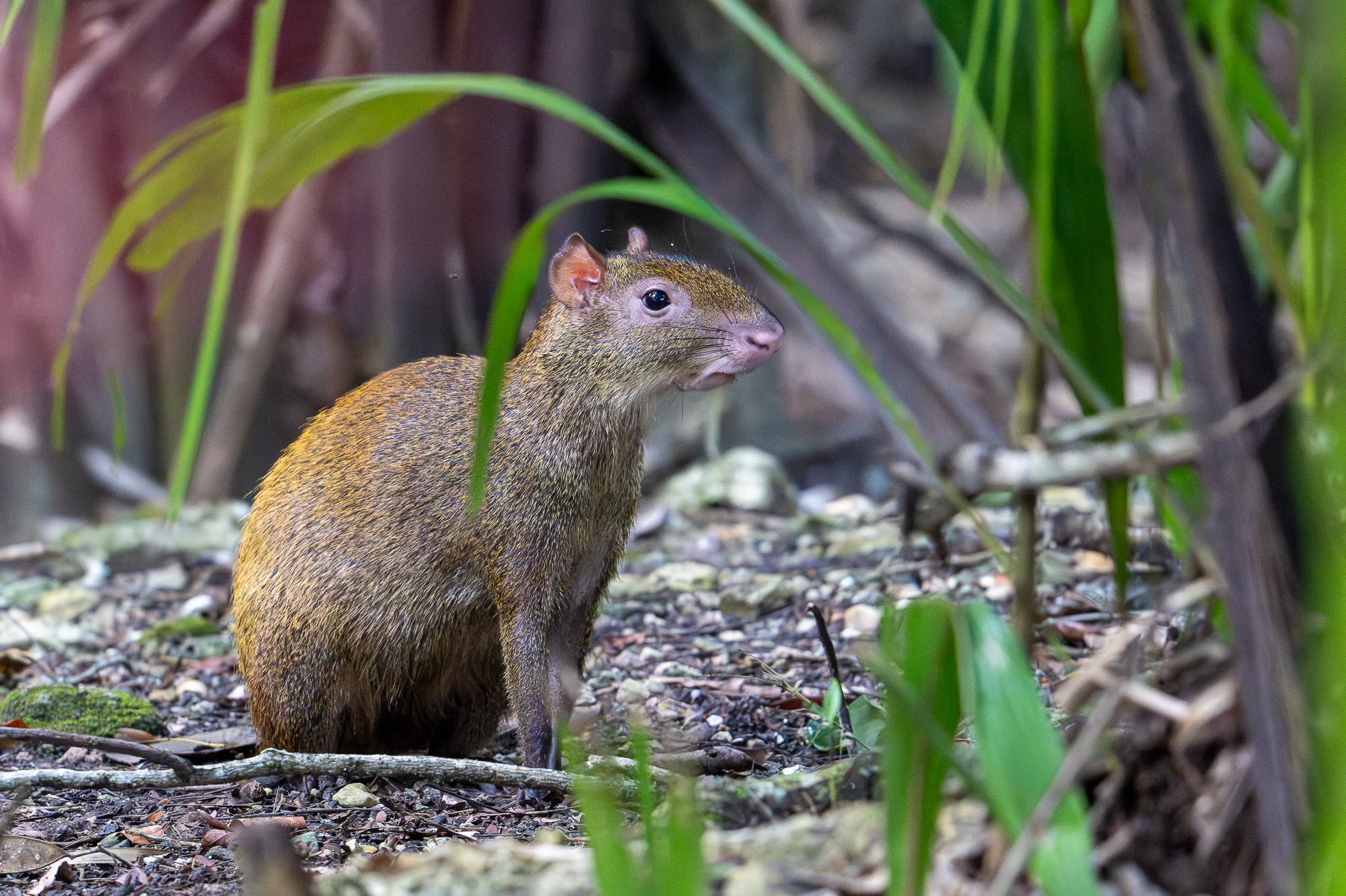
A central american agouti posing for his portrait
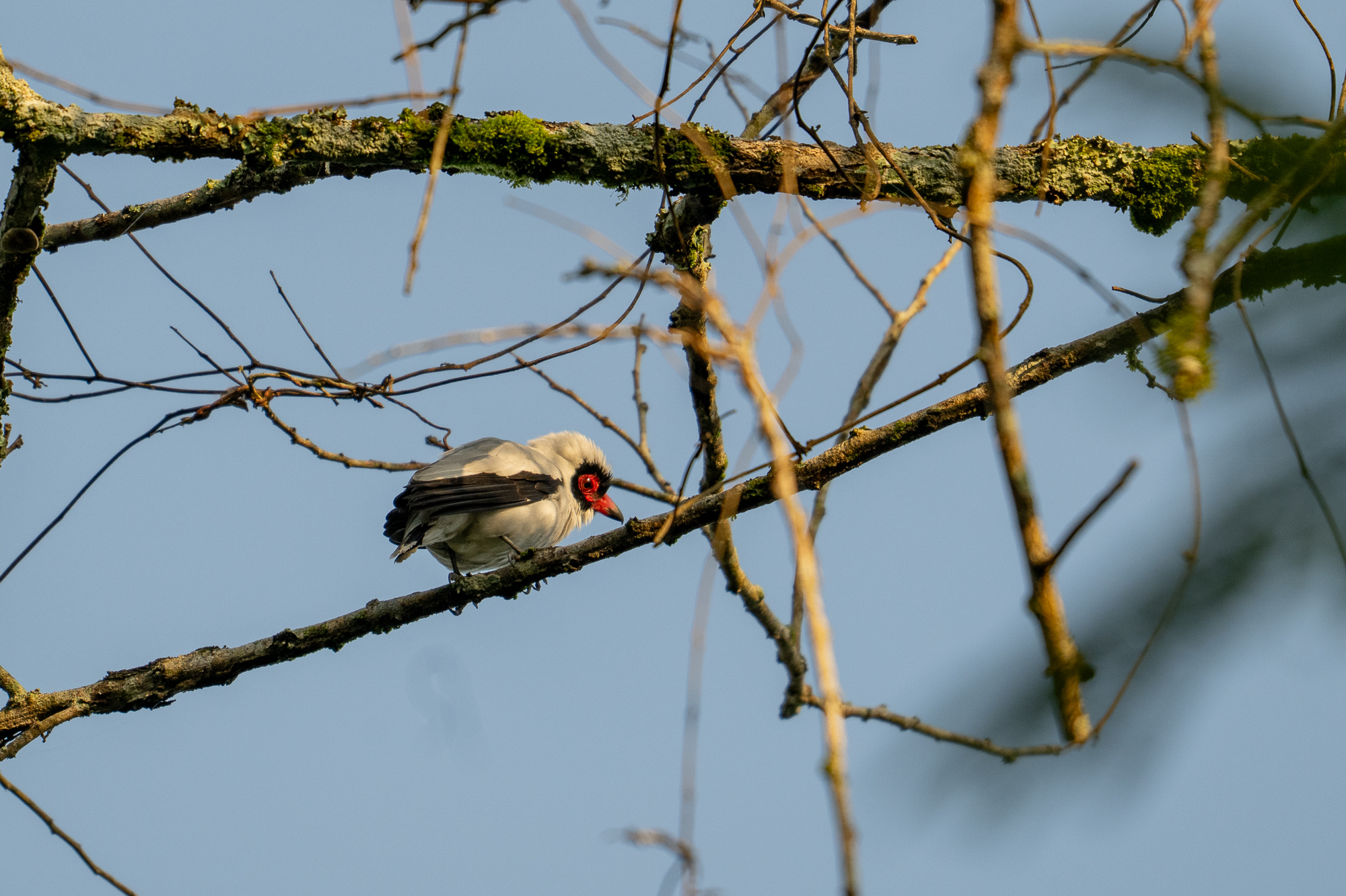
Masked tityra - this is a male, identifiable by the black mask. The females masks are grey and a little less-defined.
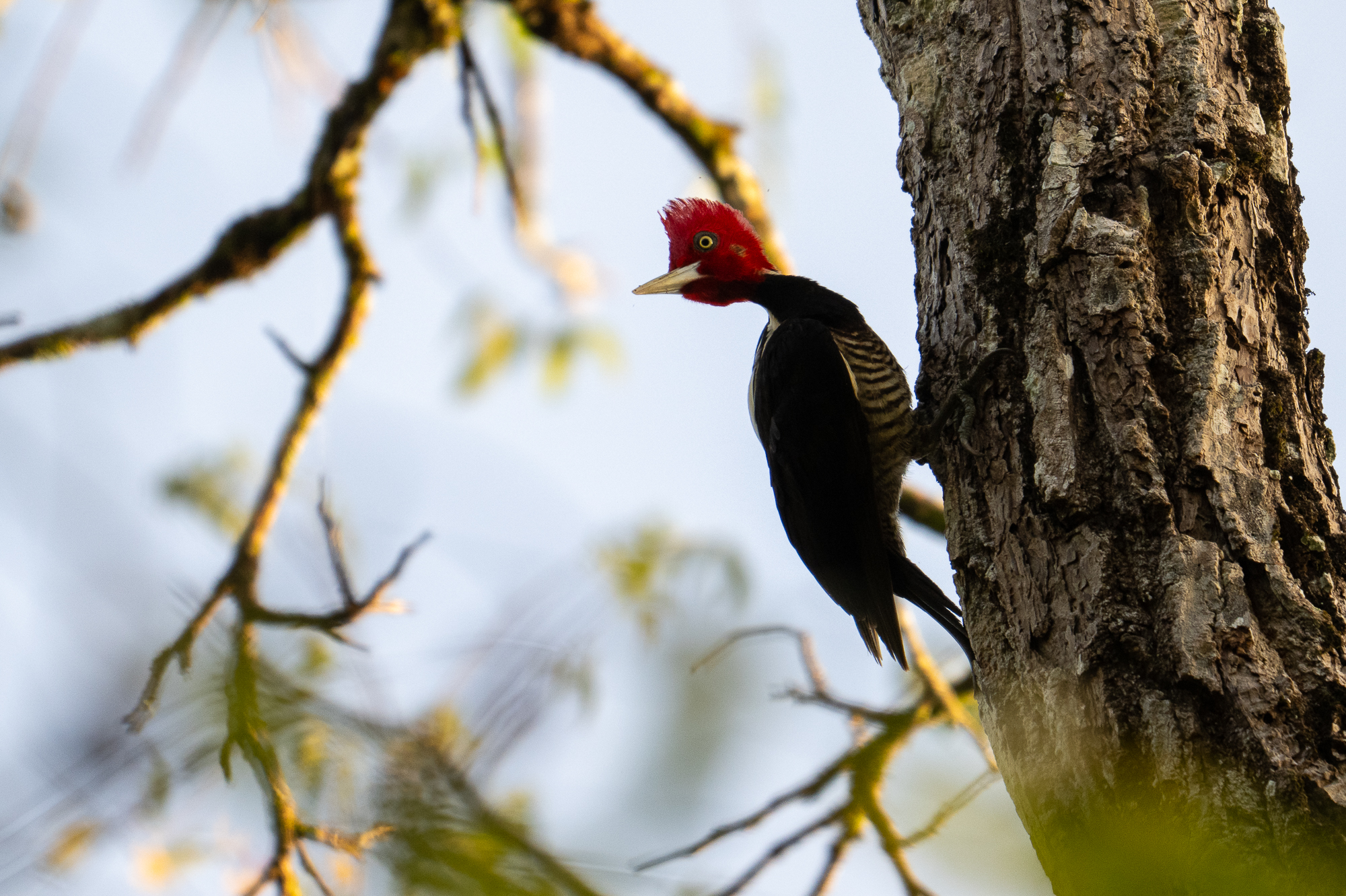
Pale-bellied woodpecker
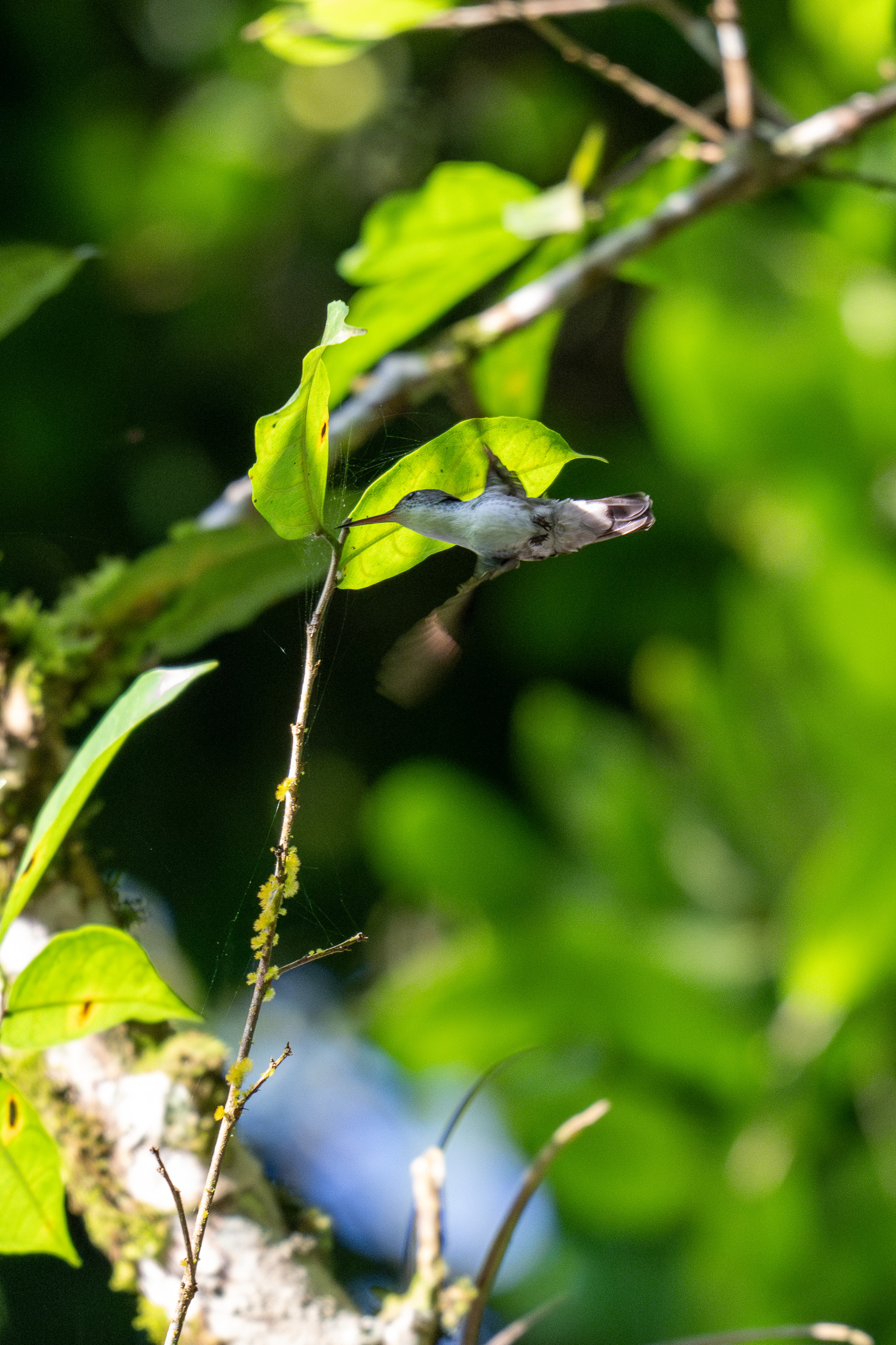
A white-bellied emerald hummingbird zips around a spiderweb above me
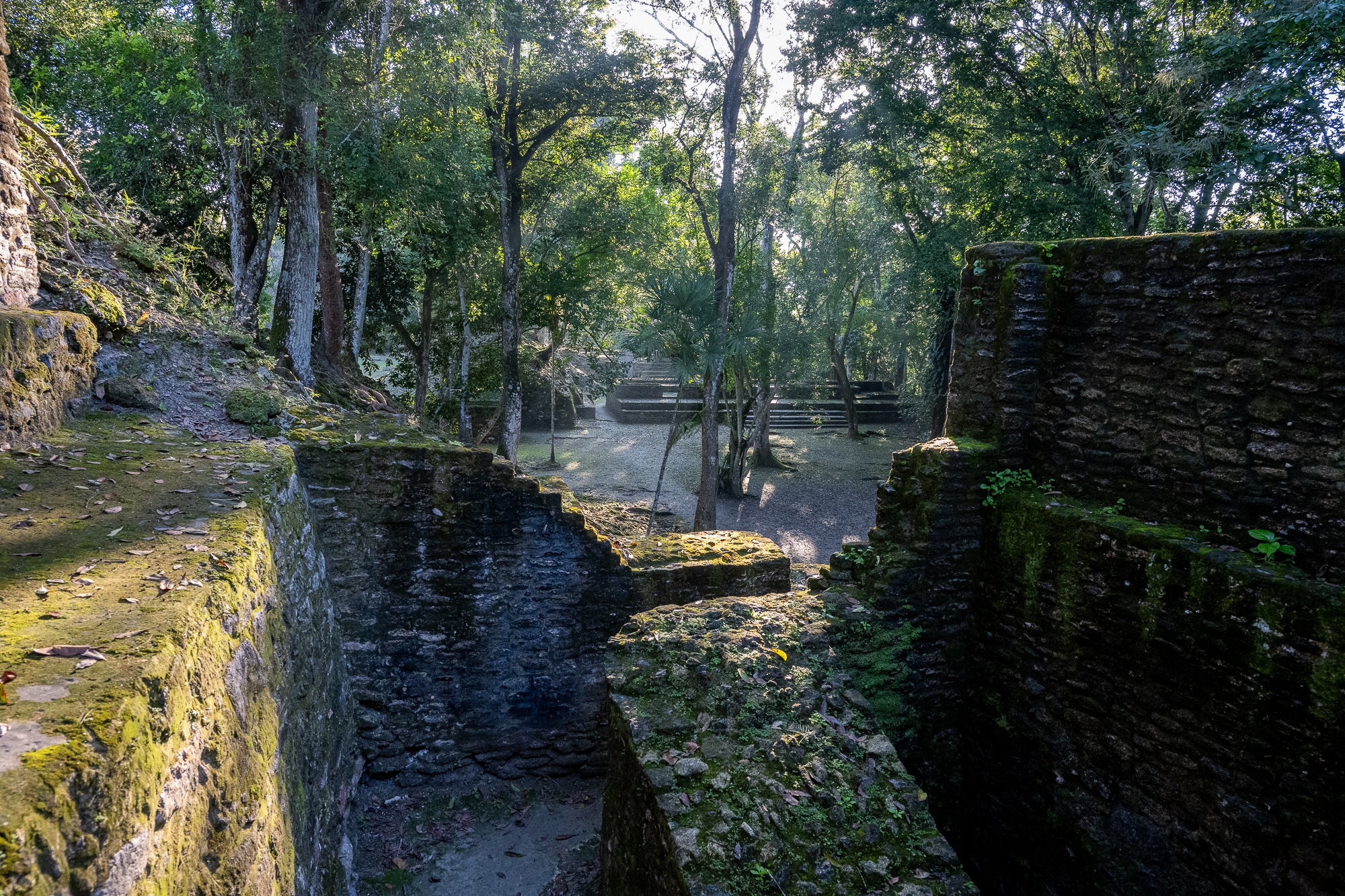
More Mayan ruins at Cahal Pech
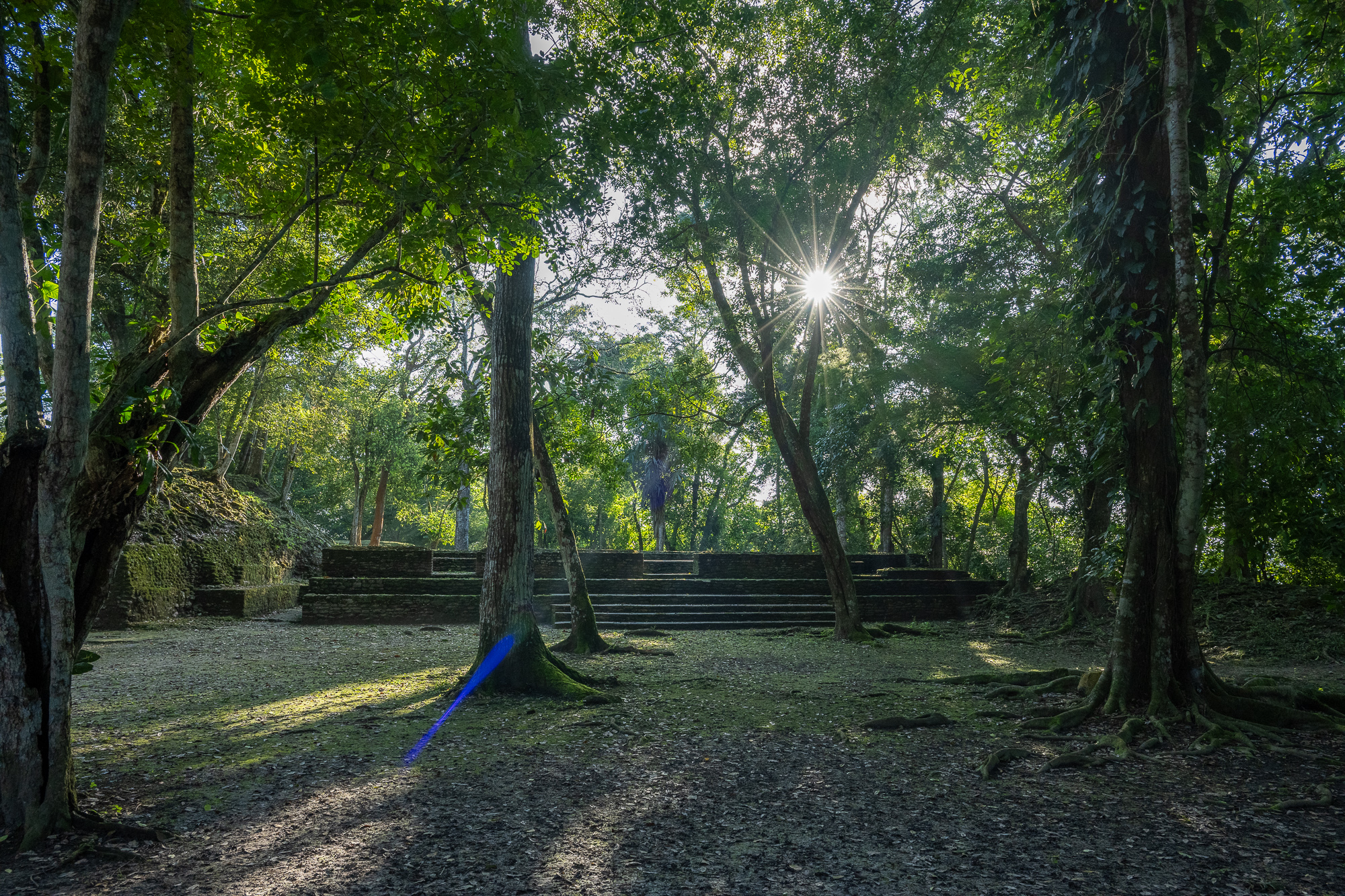
Sunlight on the ruins
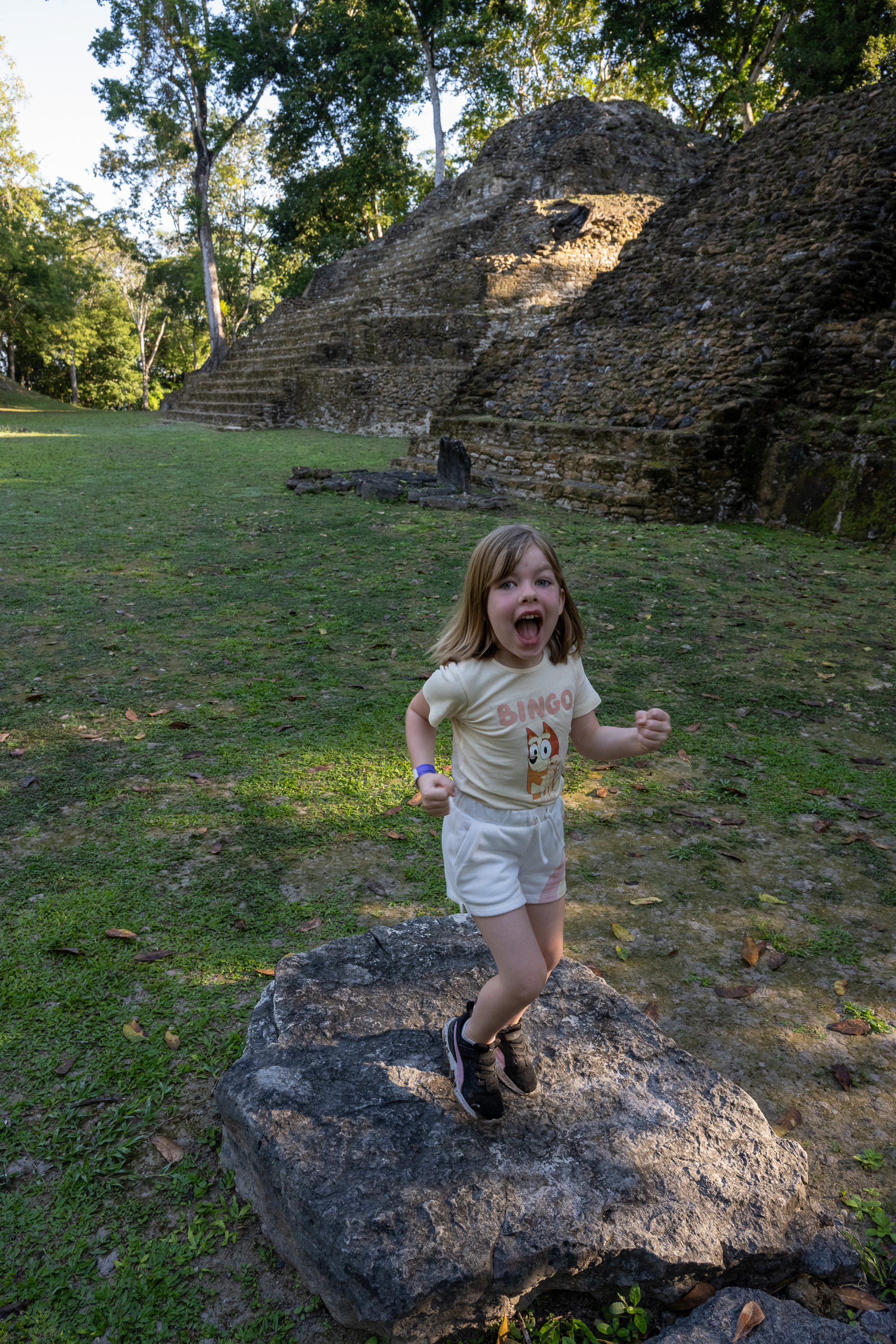
Running in place in Cahal Pech
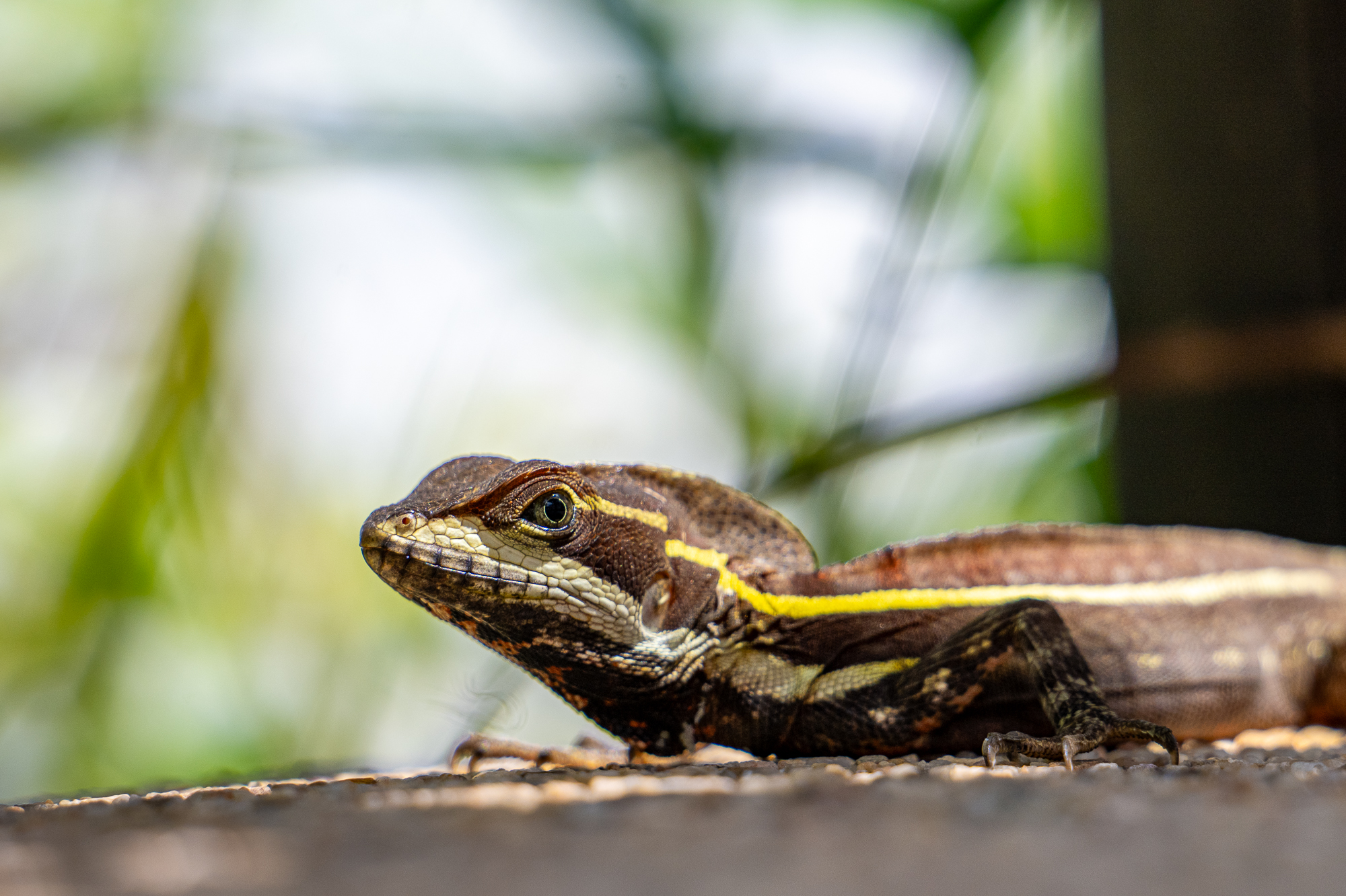
A brown basilisk lizard - these are also known as the jesus lizards as they can run over water when at top speed. He was right near the pool, which I had to assure my daughters he was unlikely to sprint across.
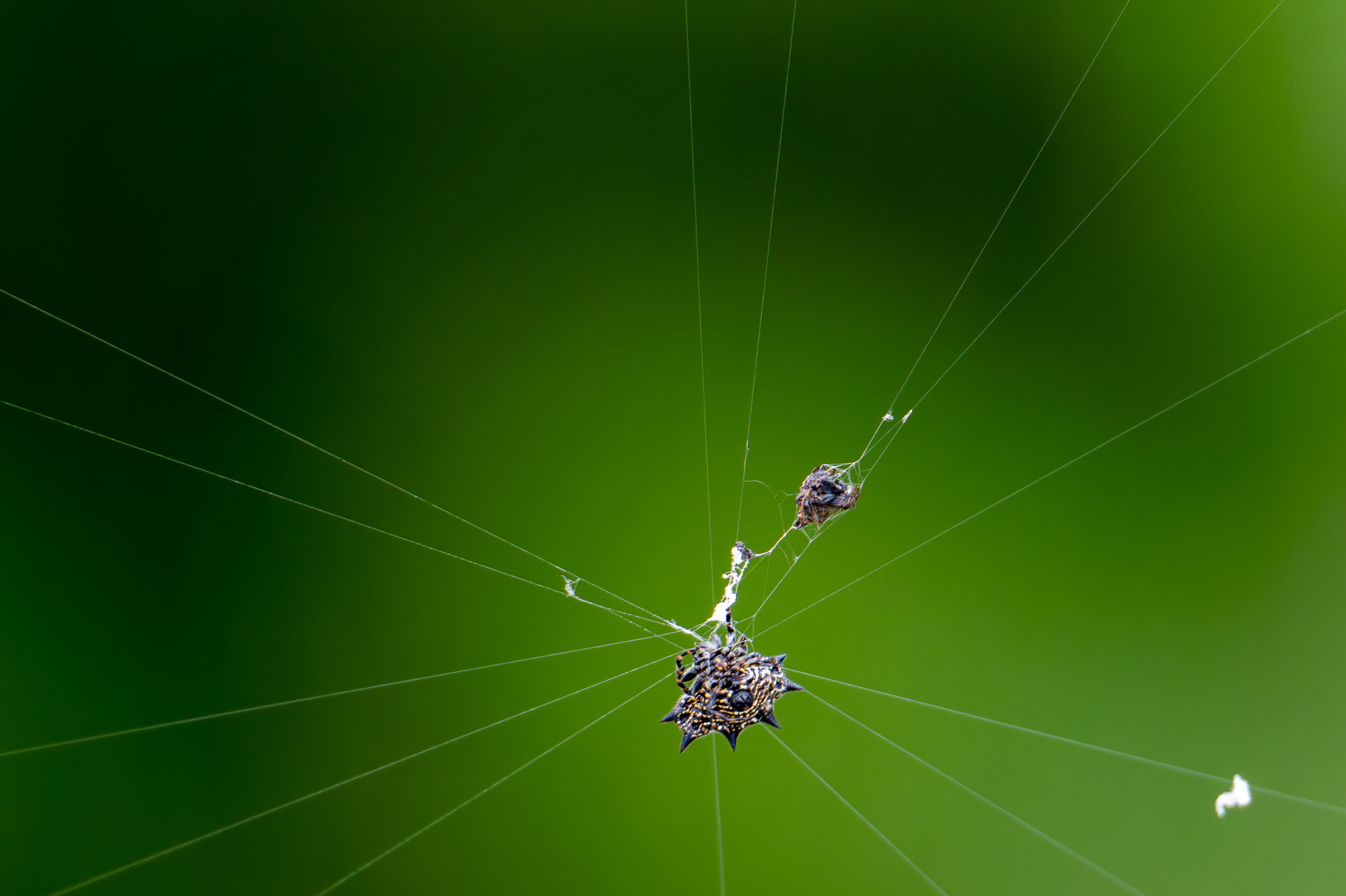
A spiny-backed orbweaver weaving its web.
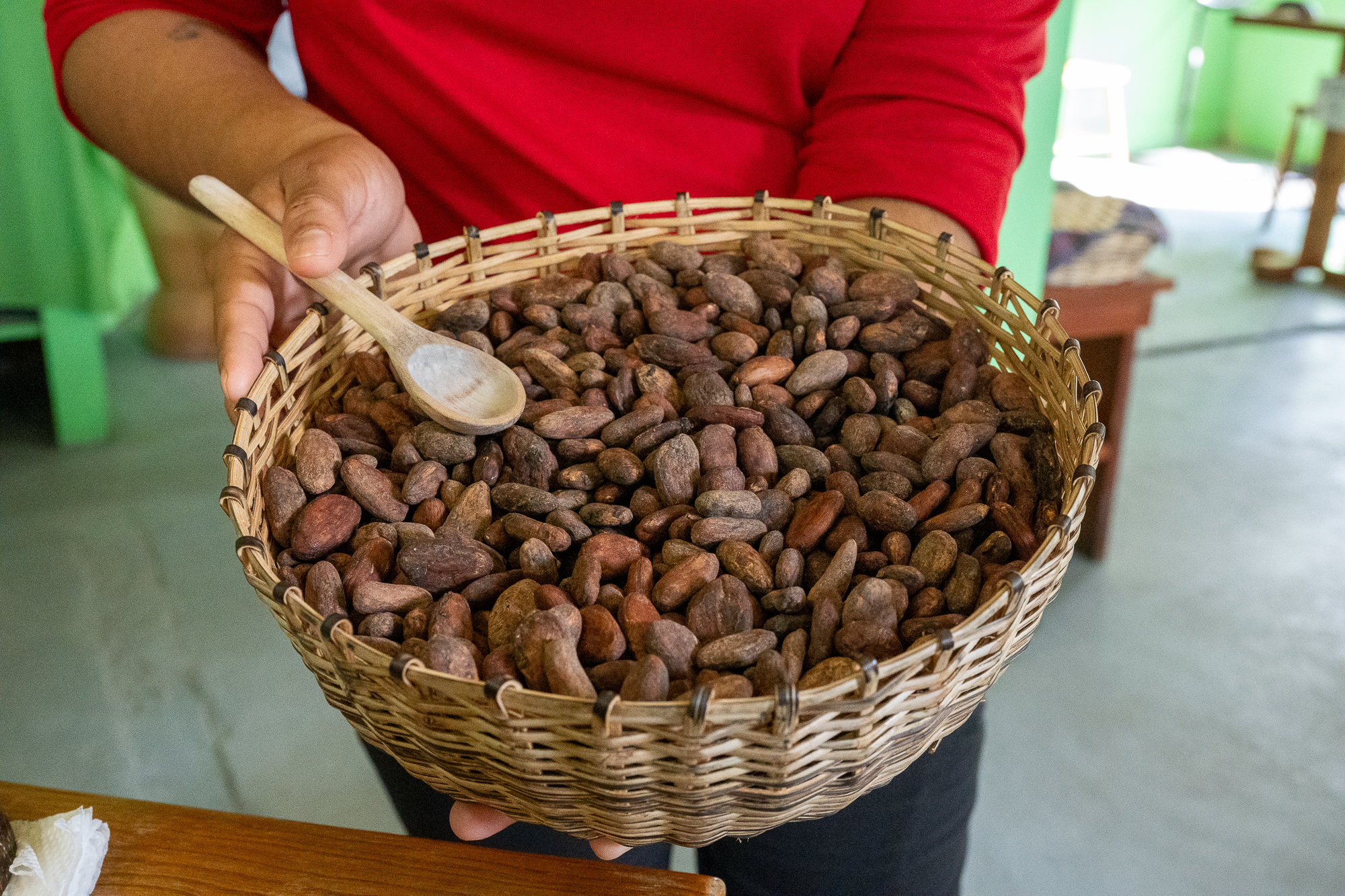
Our next stop was AJAW Chocolate & Crafts where we saw how chocolate has been made for centuries in Belize.
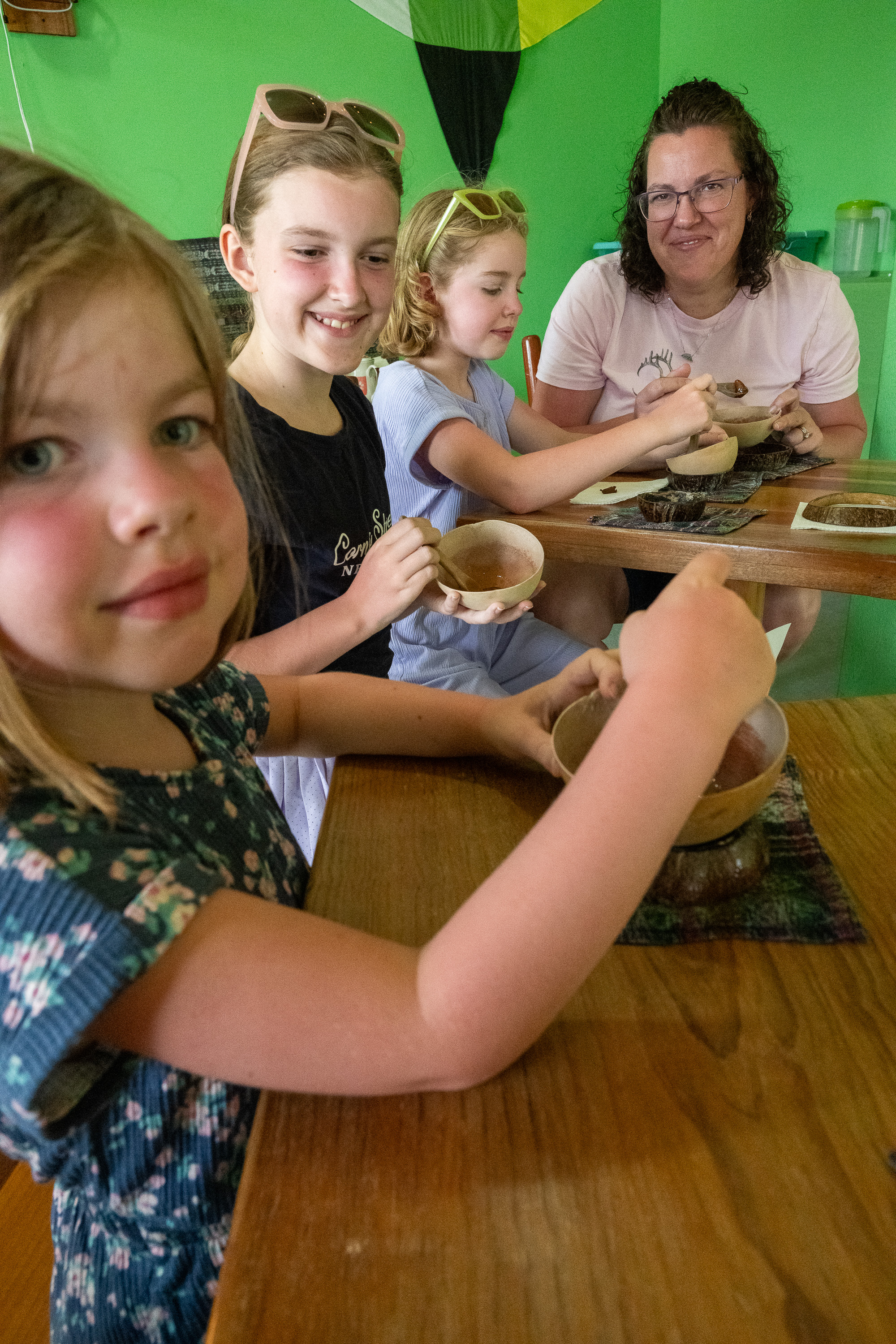
We got to make and try our own chocolate in this shop. While not all the favours were hits, it was fascinating to understand how it was made and the history behind chocolate in Mayan times.
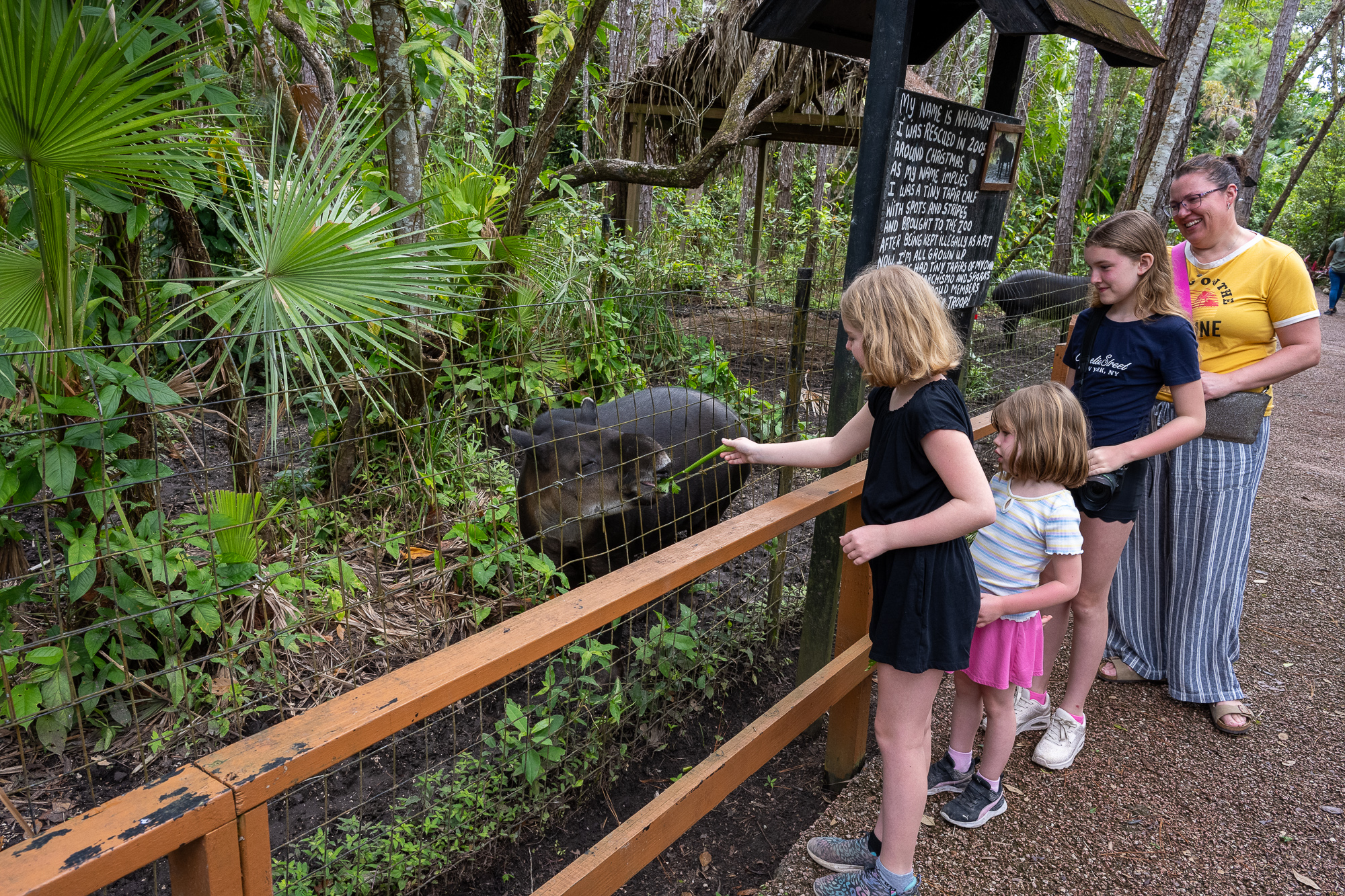
We left San Ignacio for the coastal resort town of Hopkins. En route, we stopped at the wonderful Belize Zoo...and we fed a tapir!
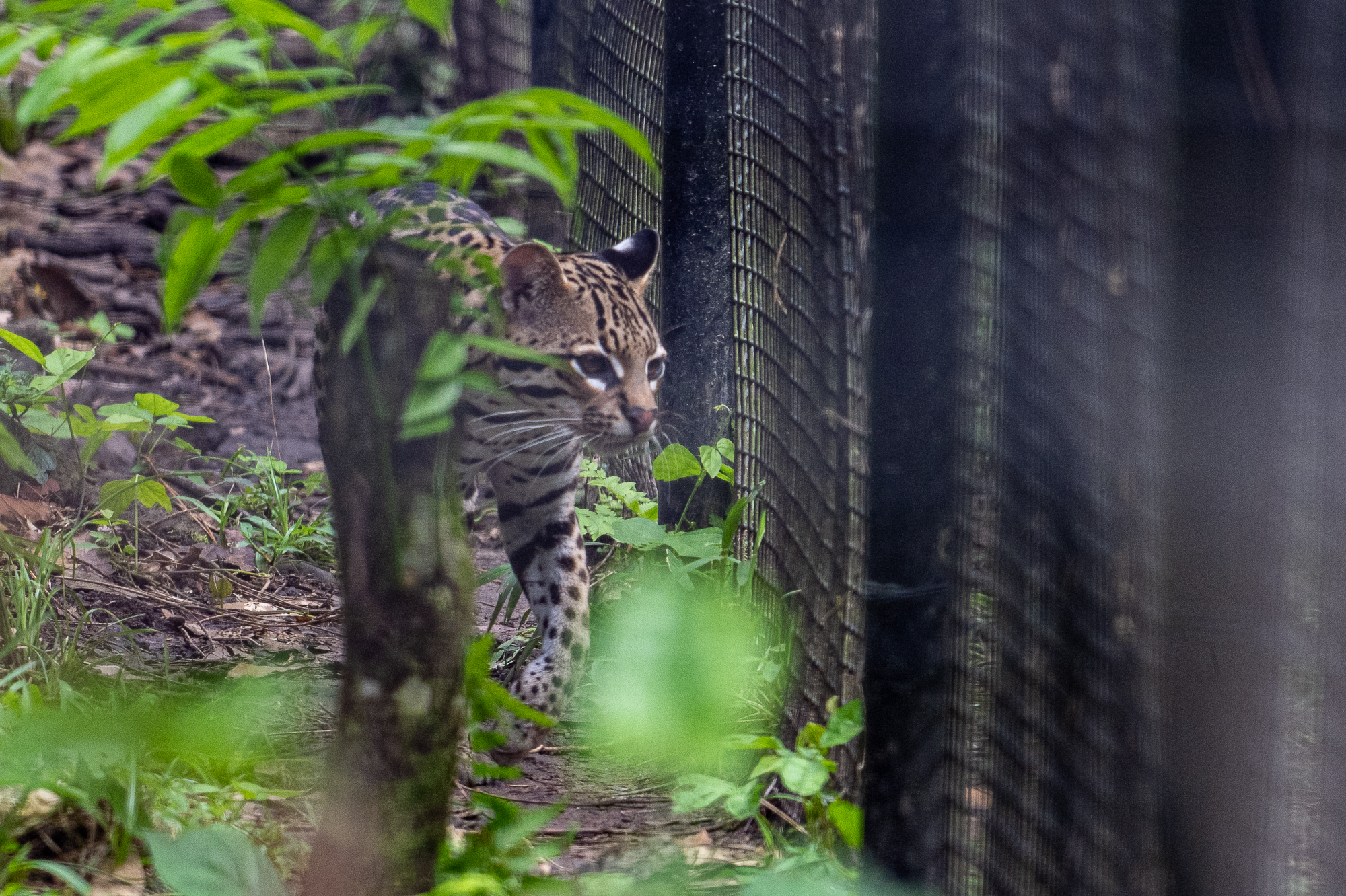
The zoo has all the cat species of Belize - cougars, jaguarundi, margays, jaguars and this ocelot.
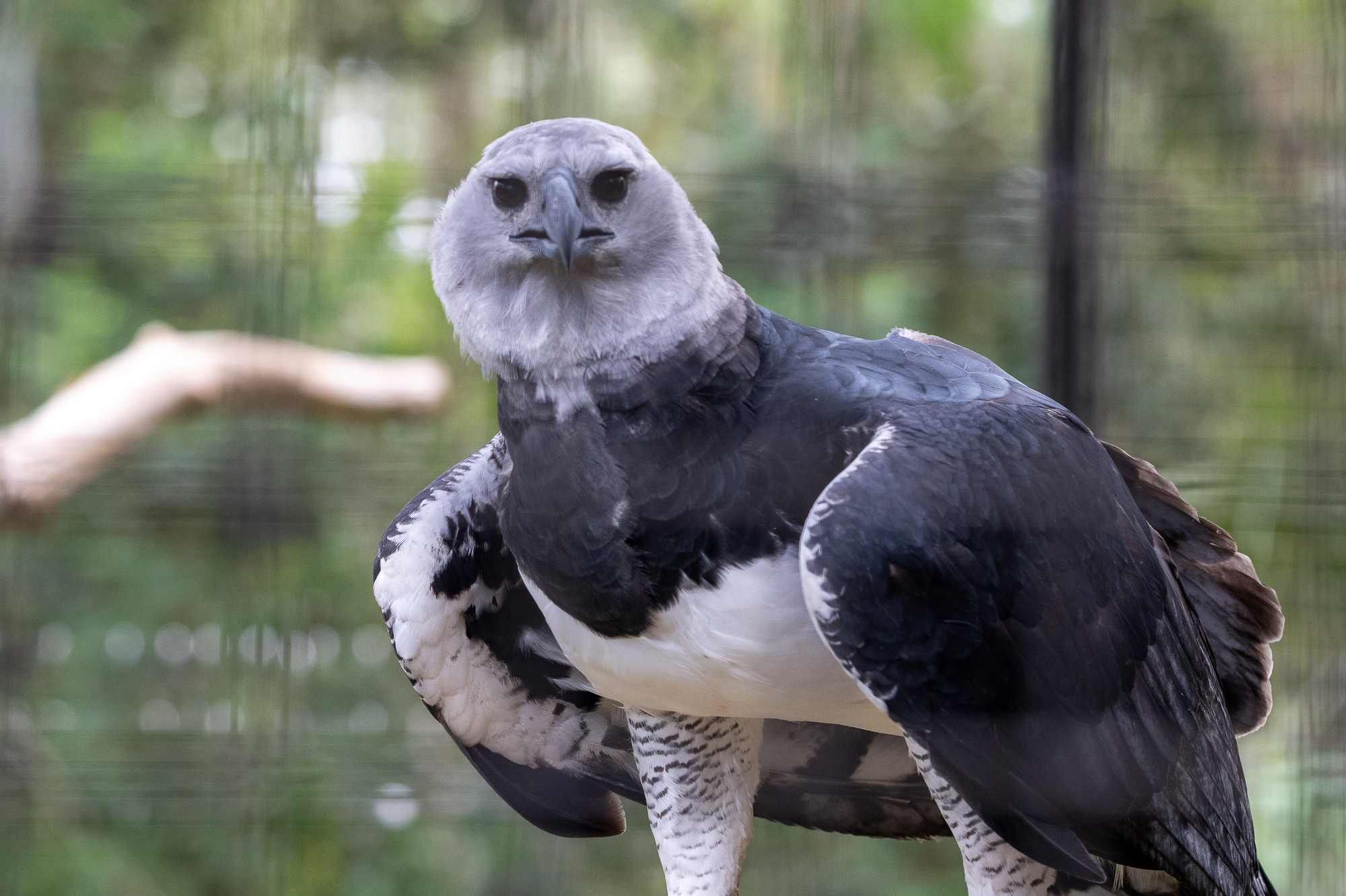
A harpy eagle in the zoo
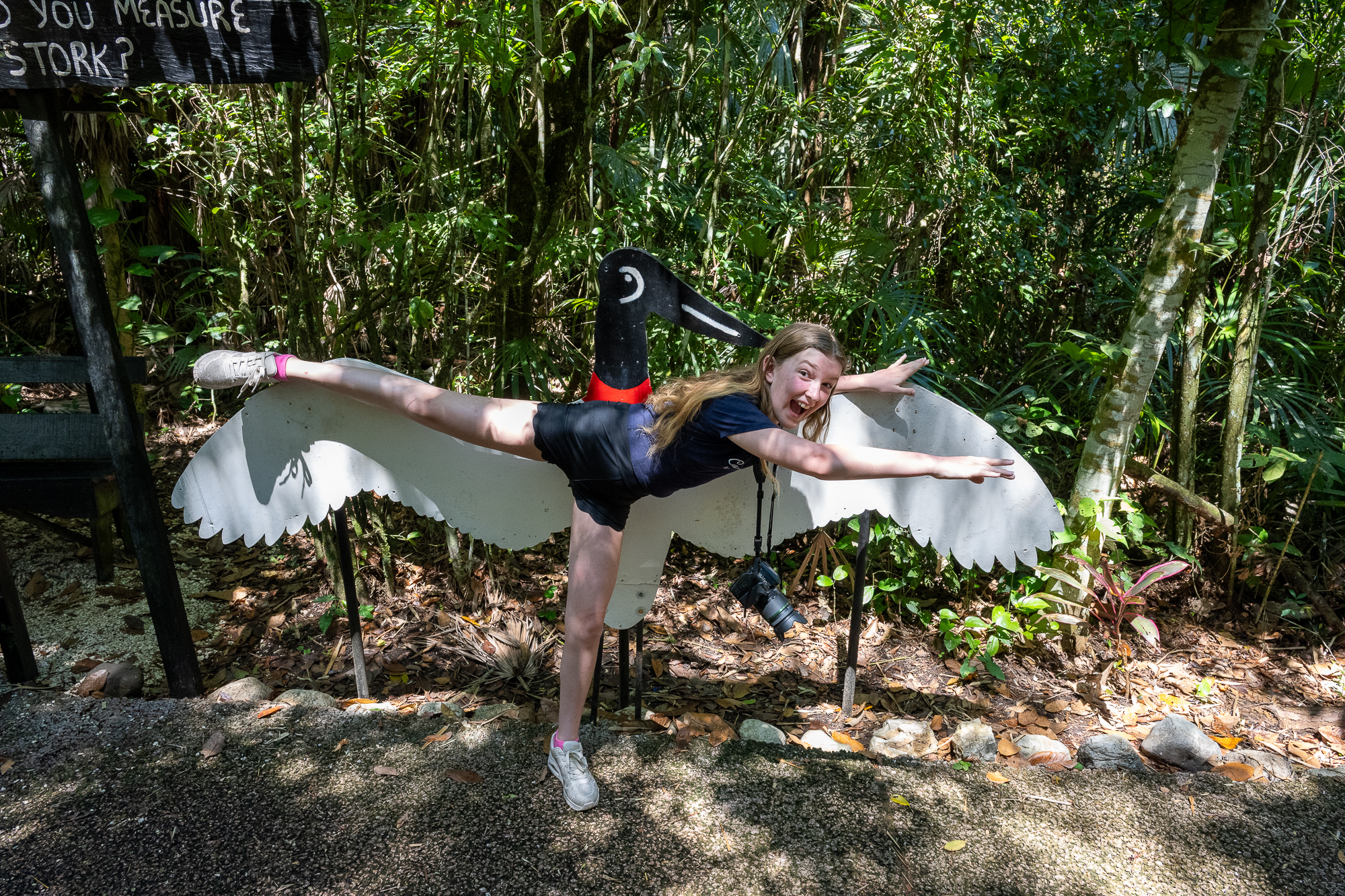
How big is a jabiru stork?
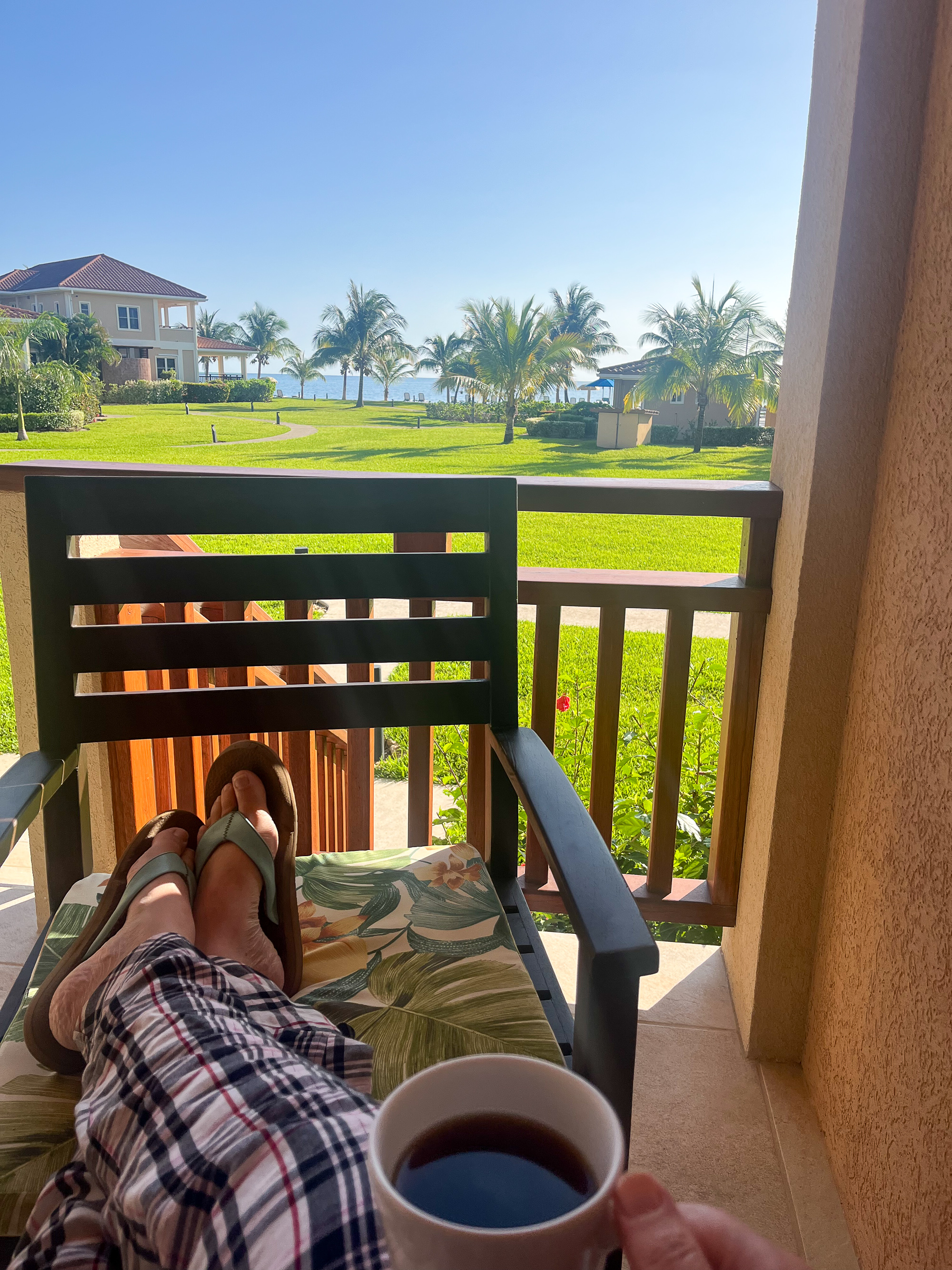
Megan in her happy place
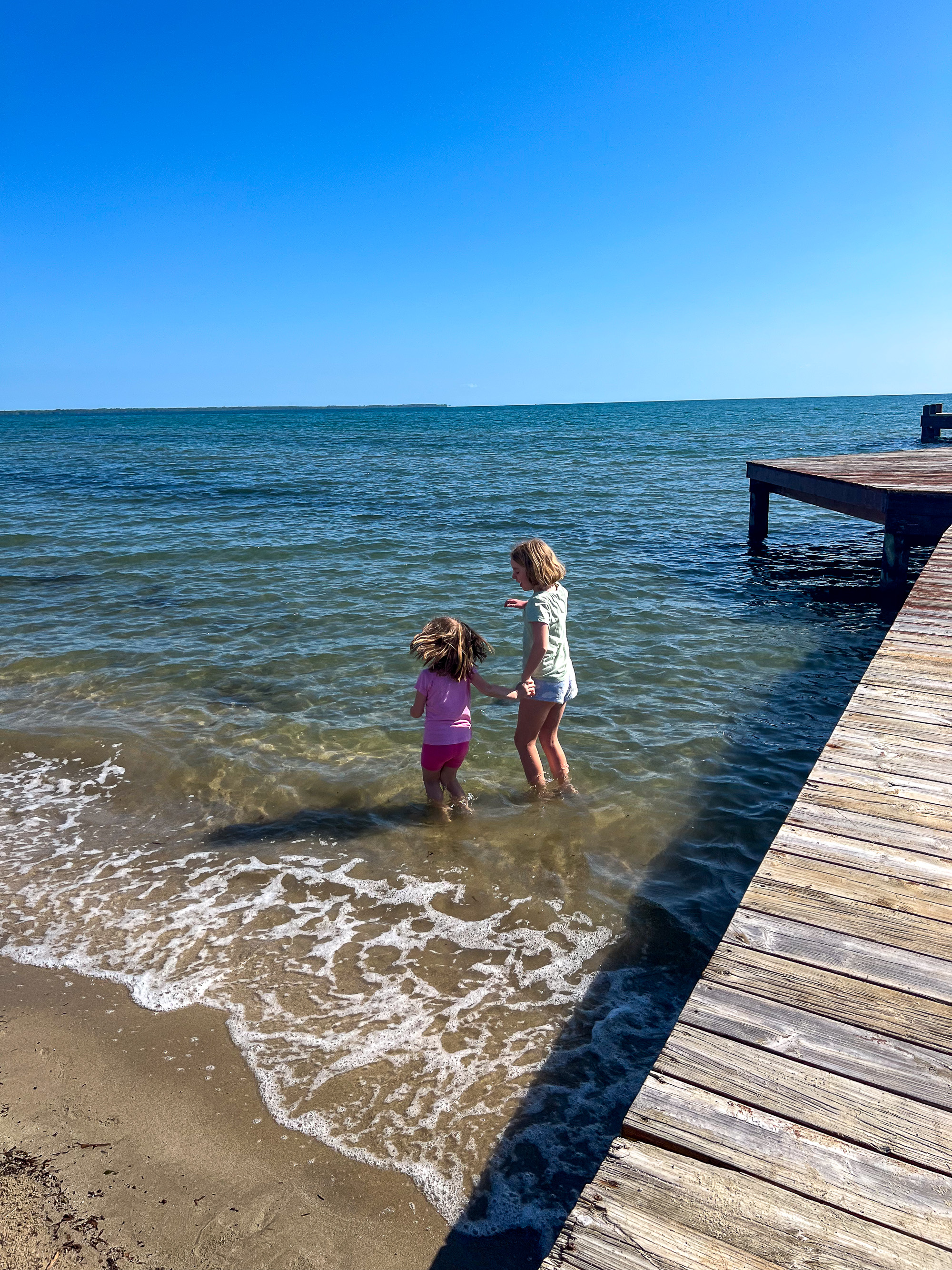
Imogen & Leighton exploring the beach at Hopkins
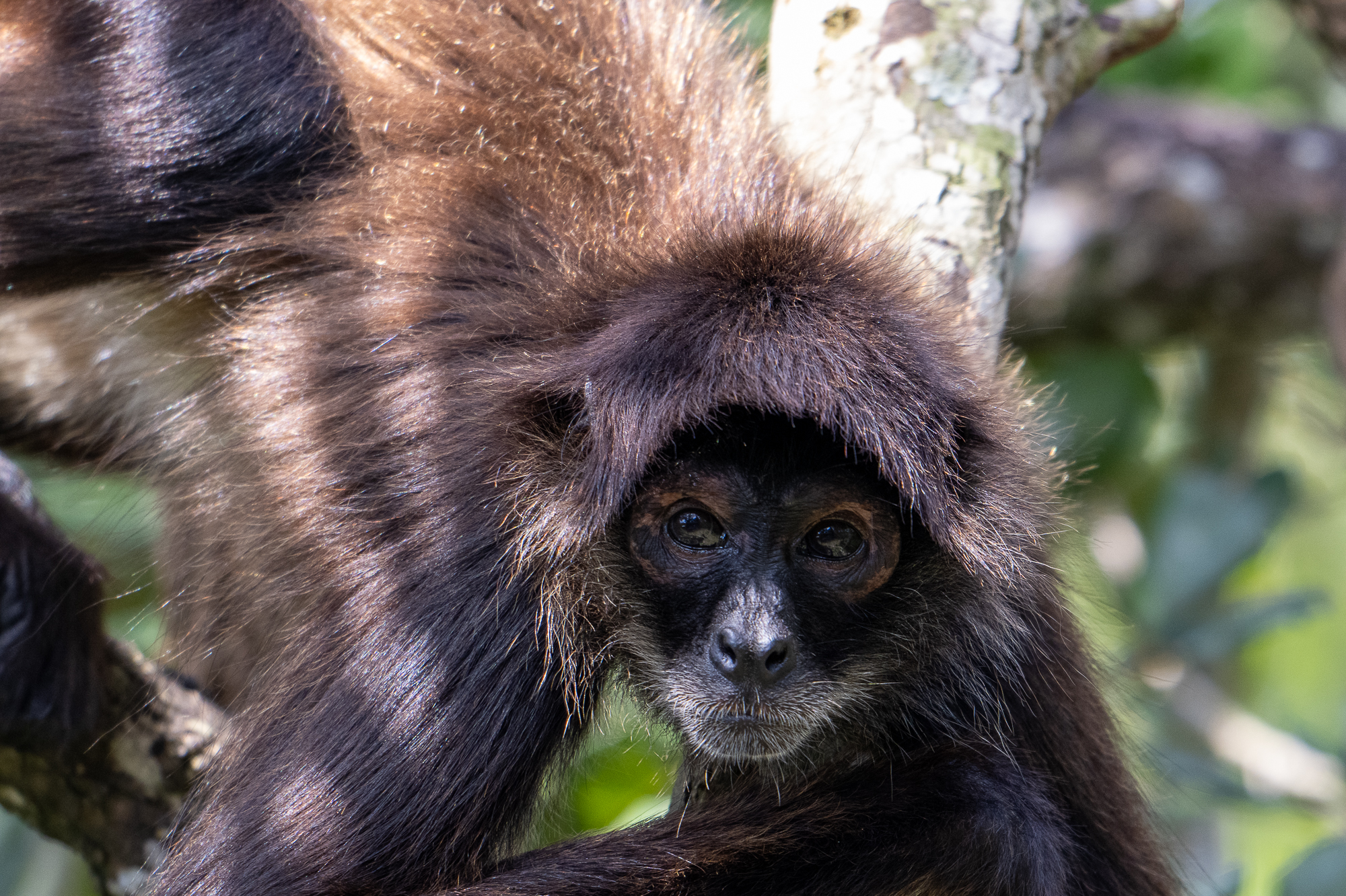
A spider monkey posing for us at the Belize Zoo
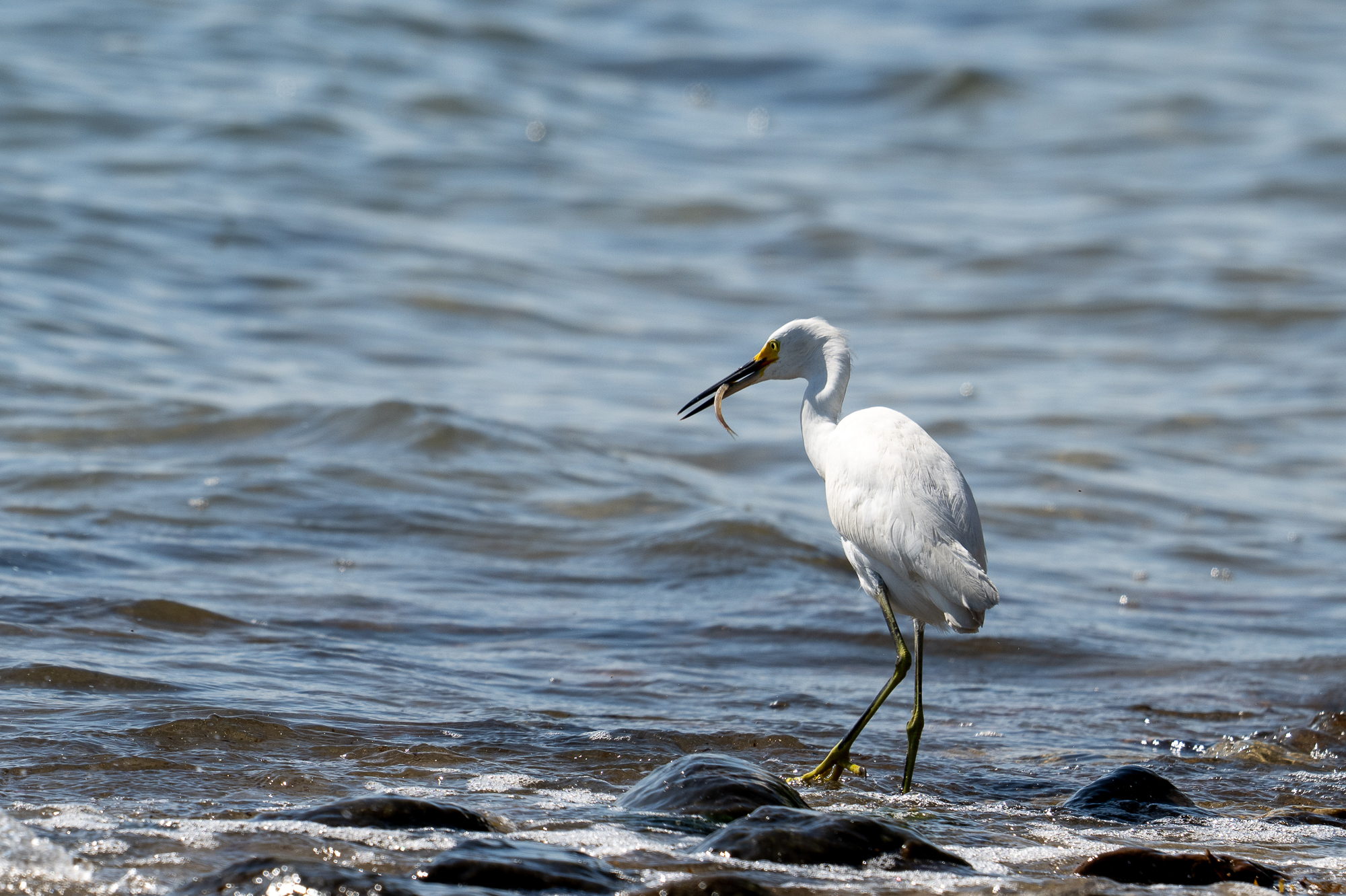
We left the interior jungles for some time on the coast - where we found this snowy egret with its breakfast
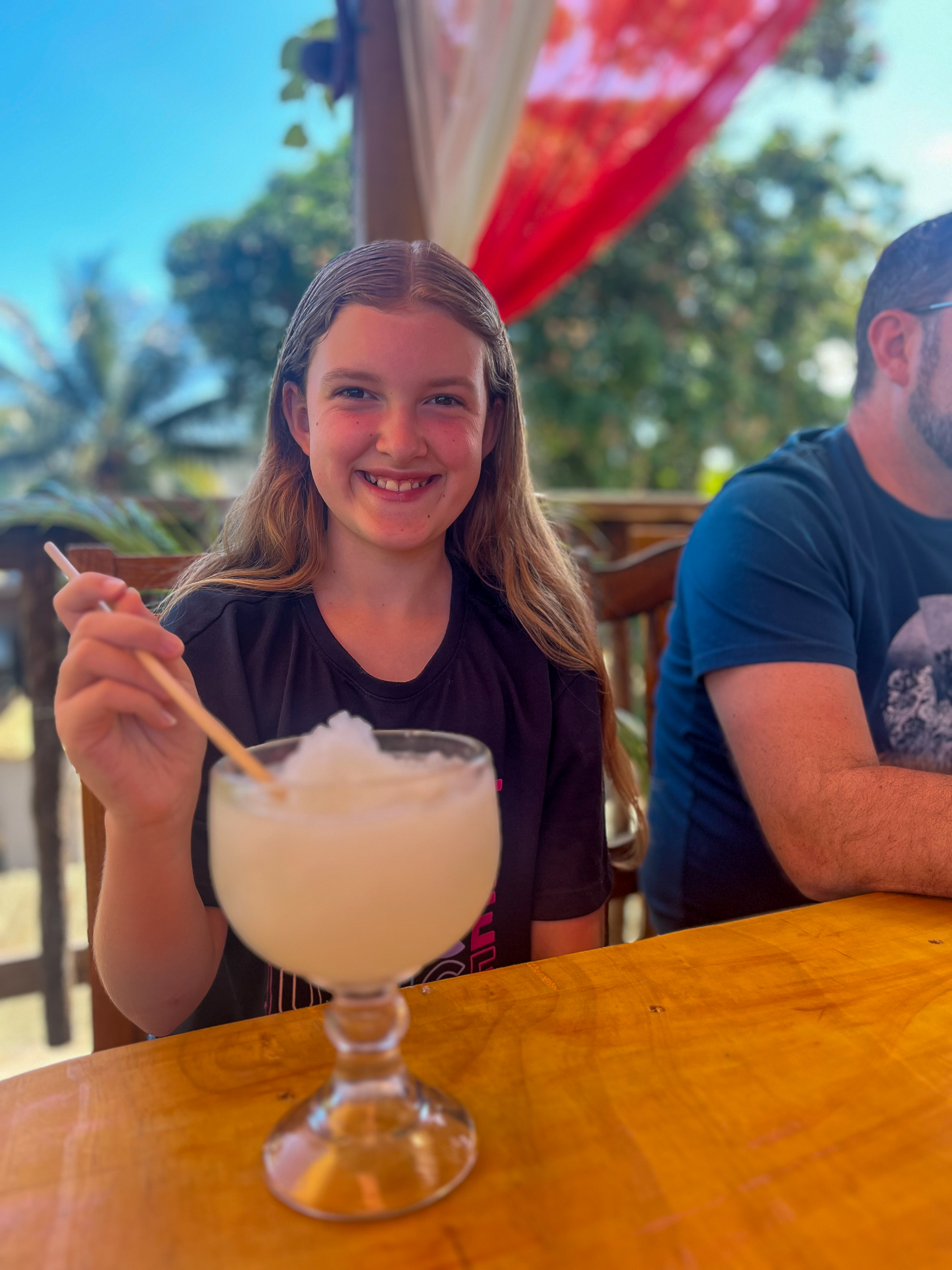
The girls discovered daiquiris and margaritas on this trip...
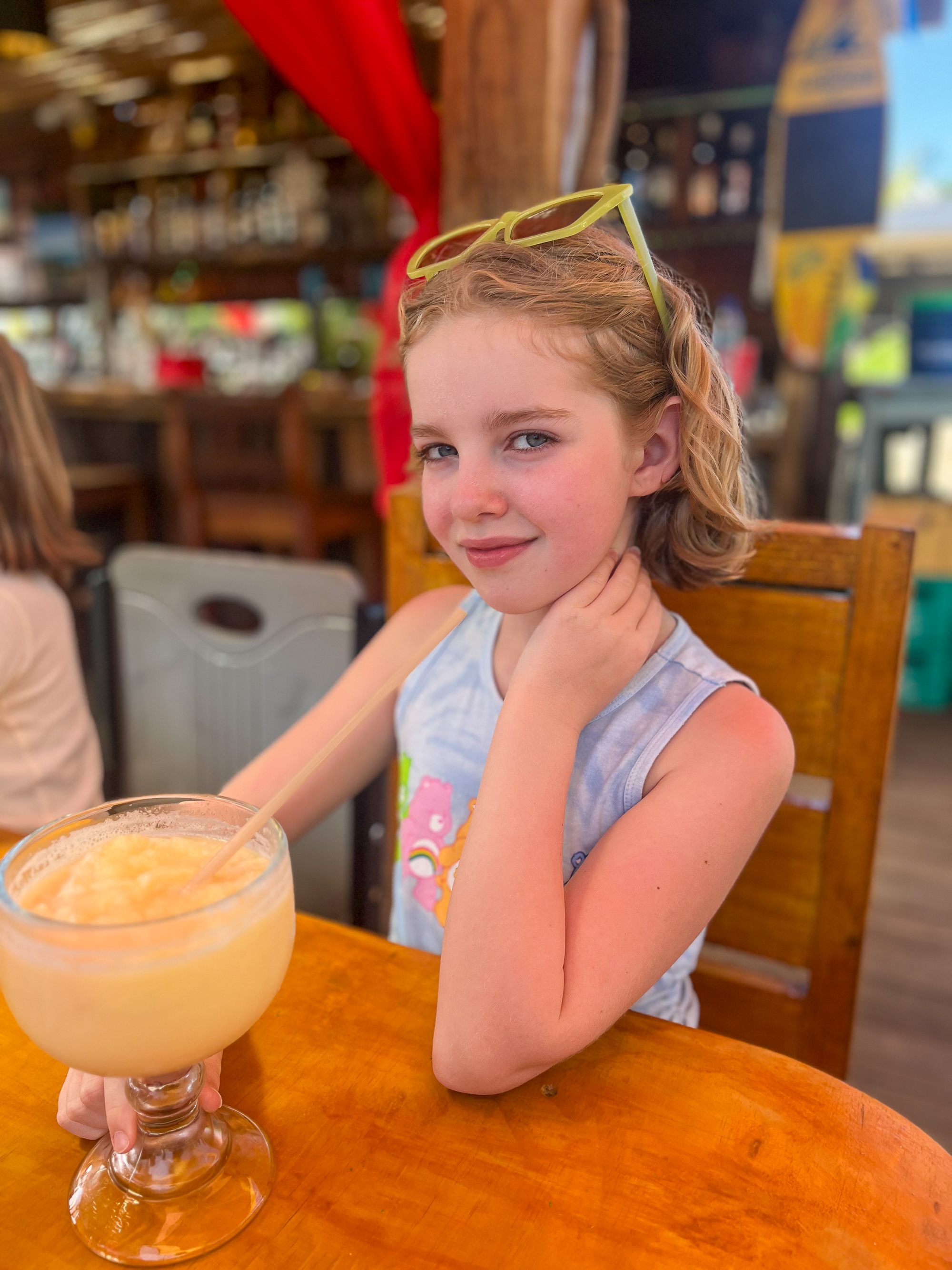
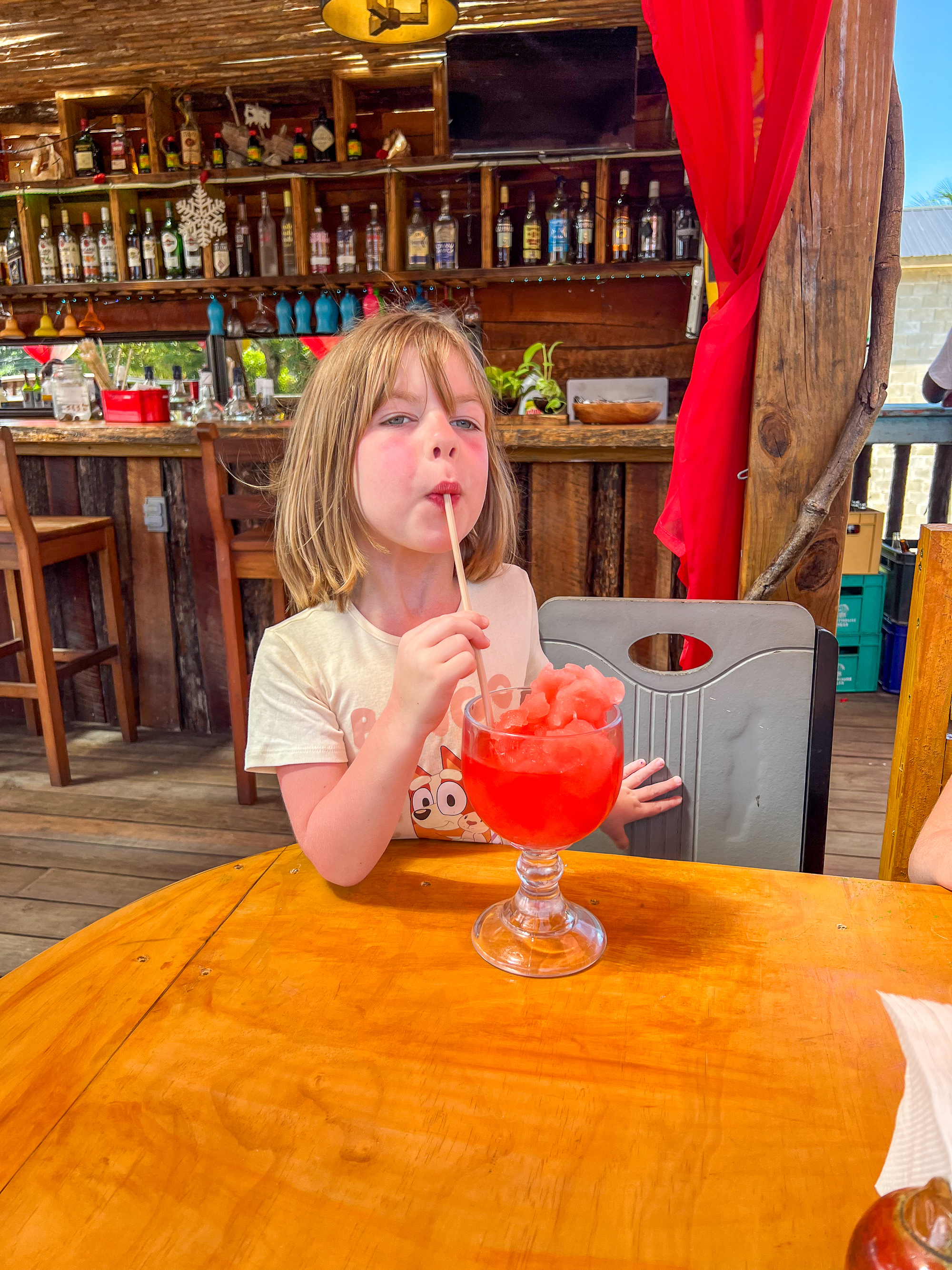
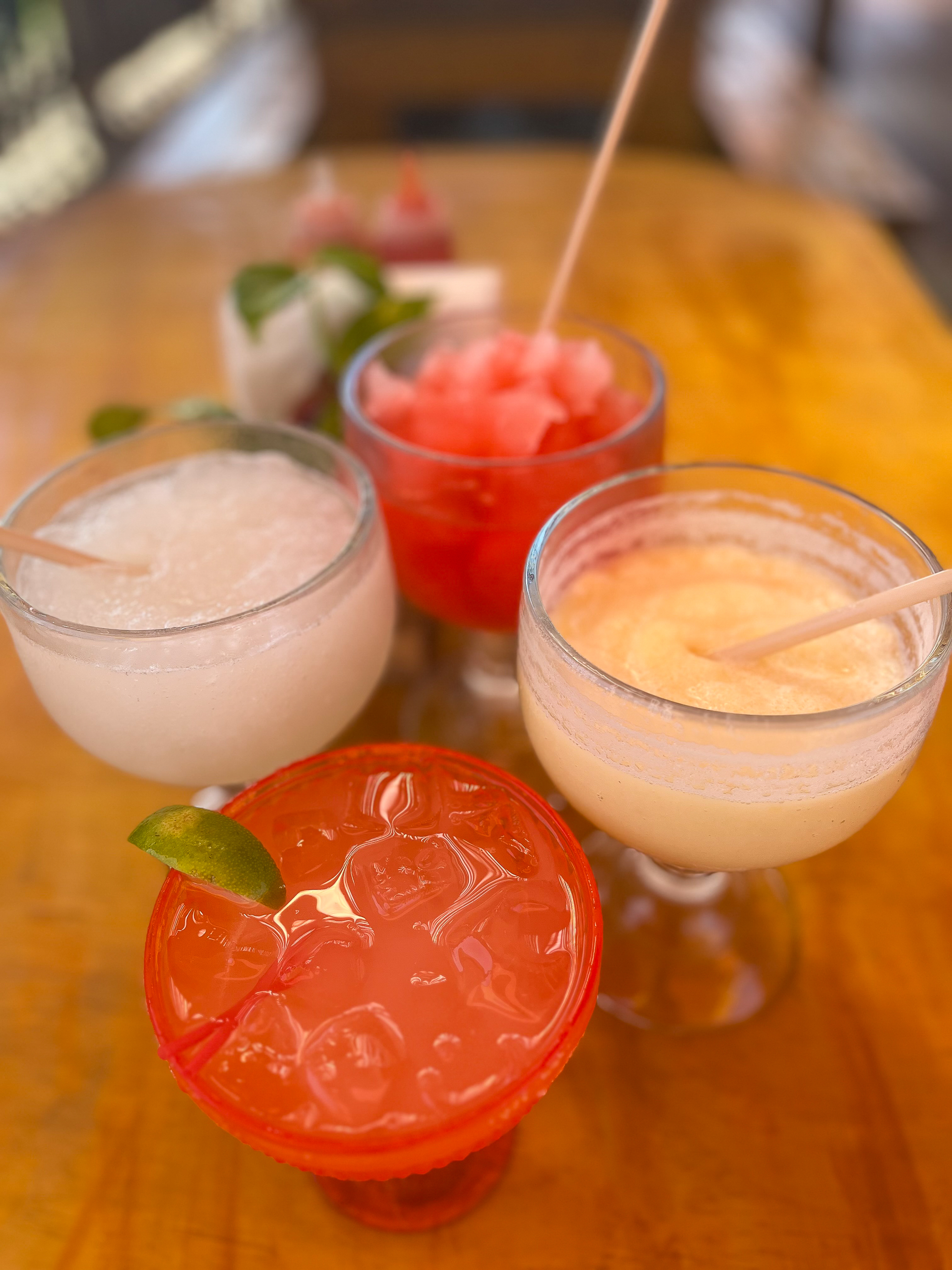
Slushy drinks!
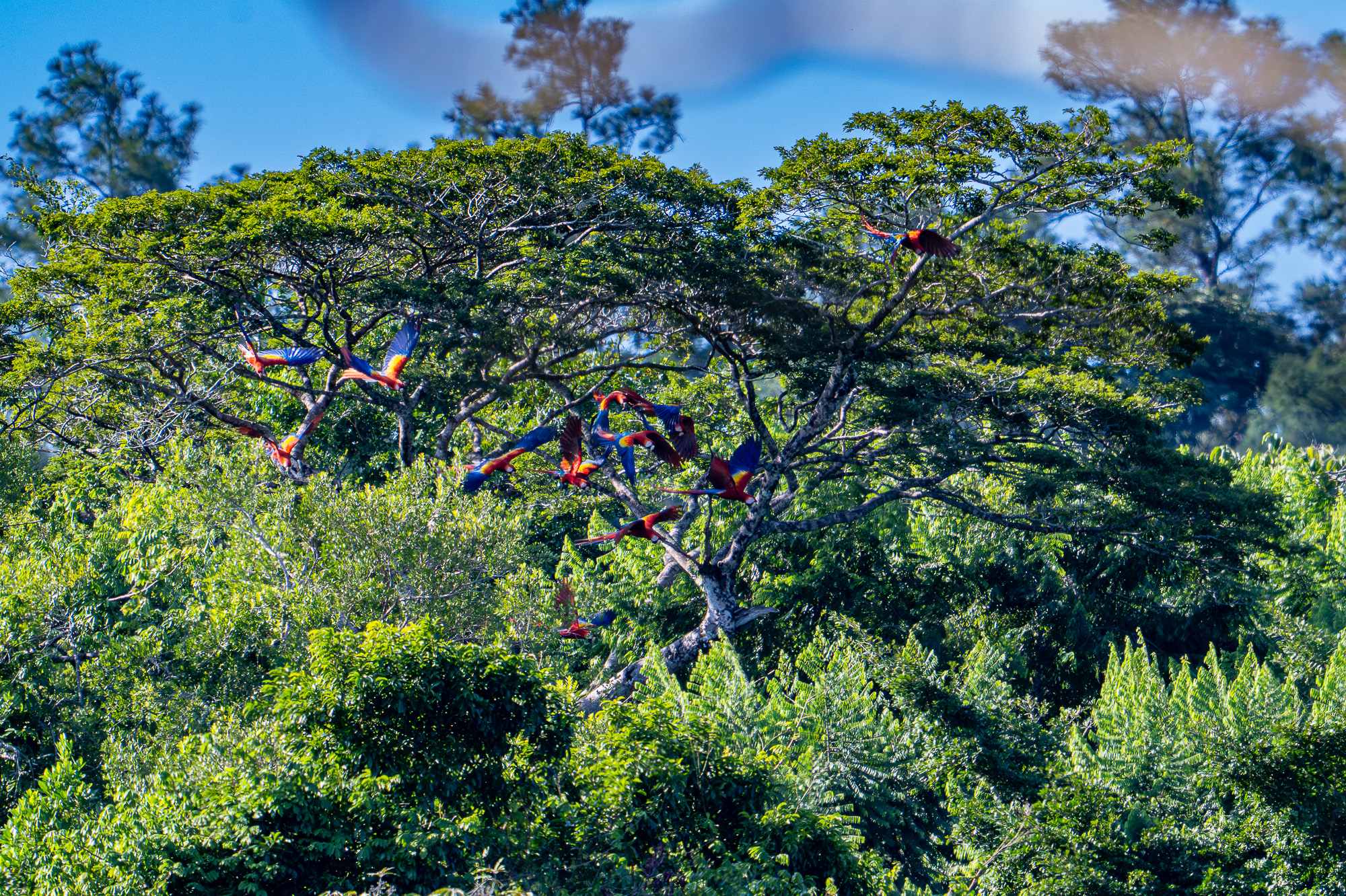
A large flock of scarlet macaws takes off in a burst of colour. We were quite distant from these birds but you could hear their cacophony from a distance.
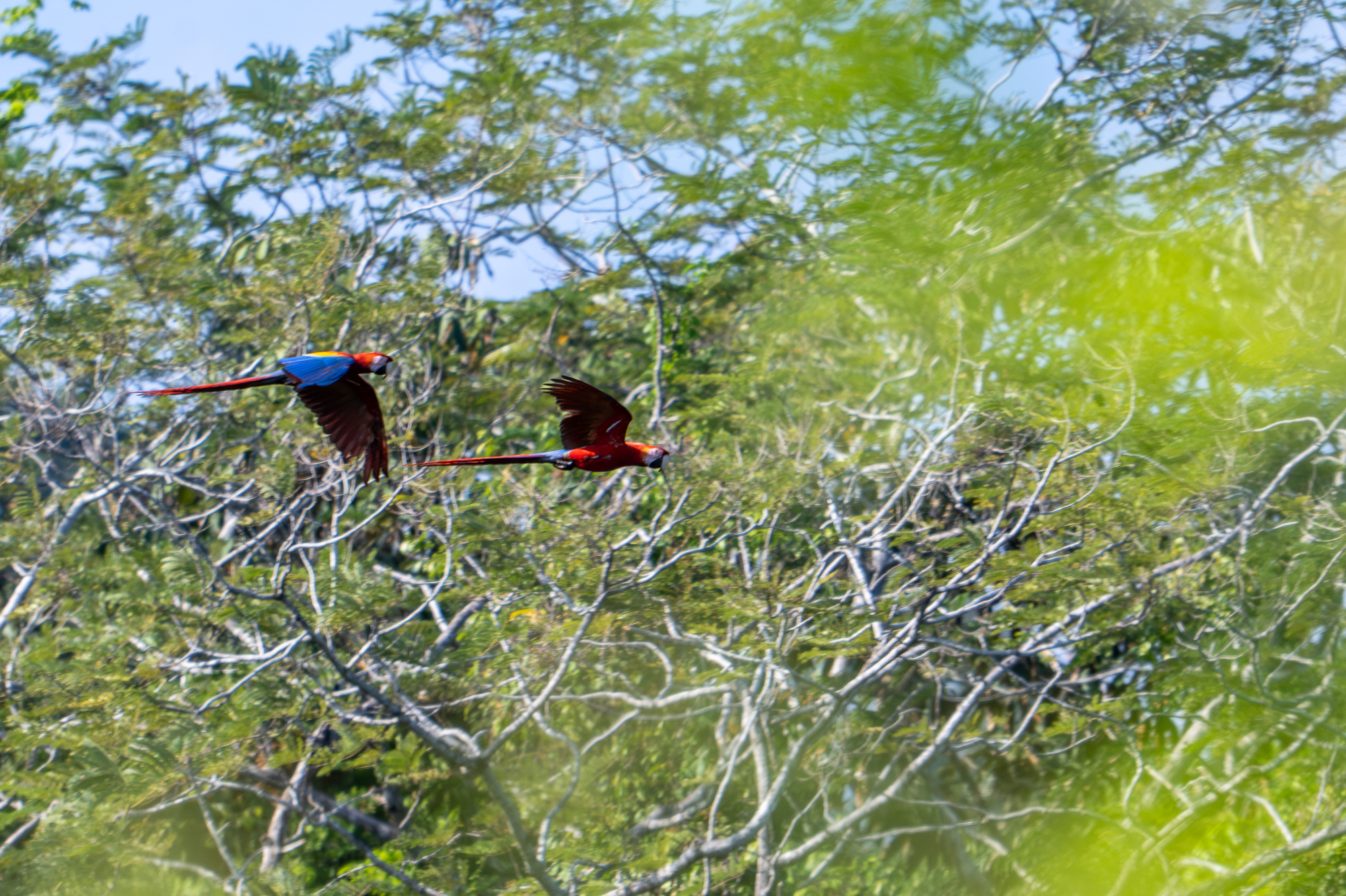
Scarlet macaws on the wing
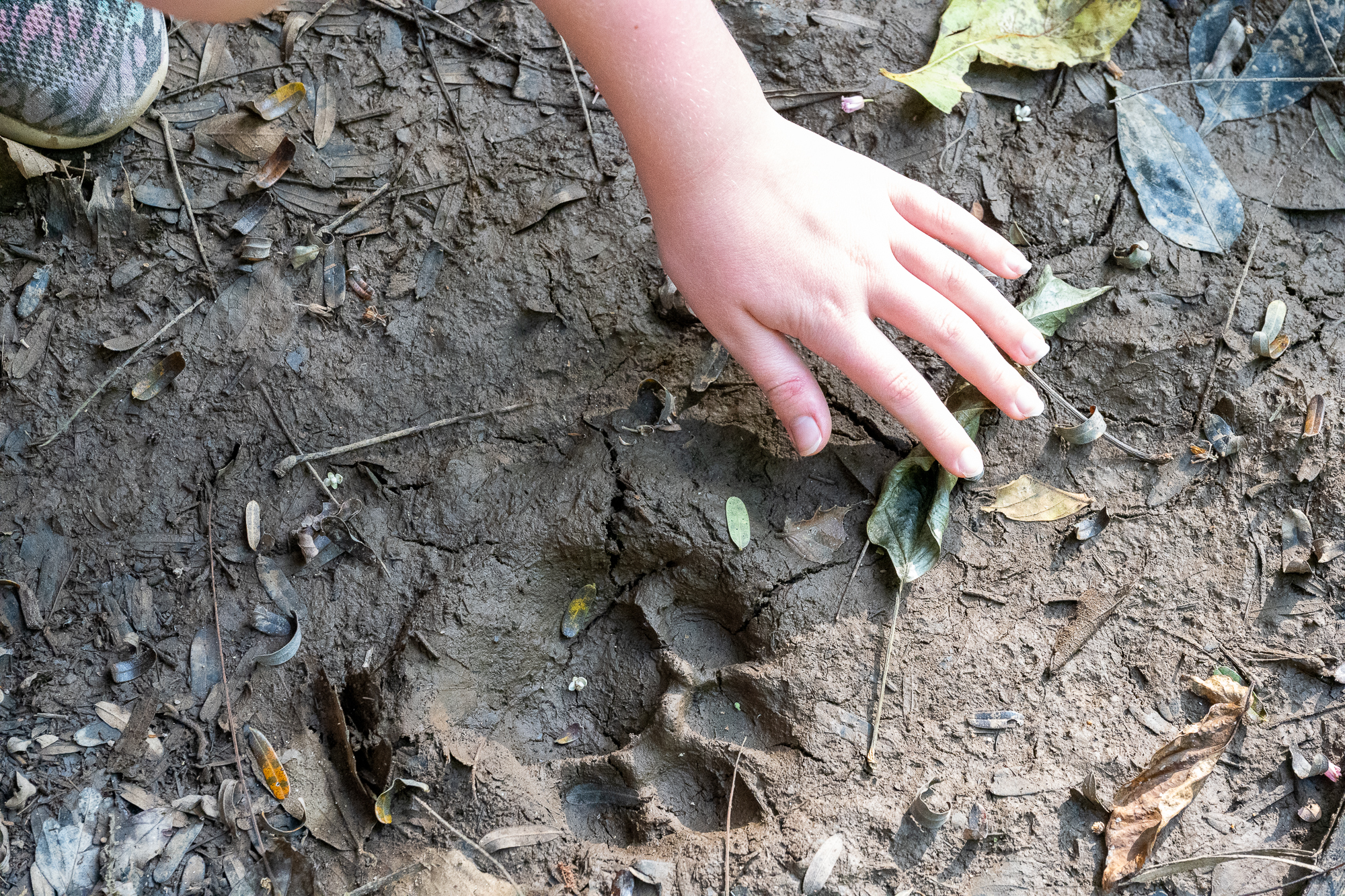
While hunting for scarlet macaws, we came across this jaguar print in the mud. Here is Imogen sizing up the paw.
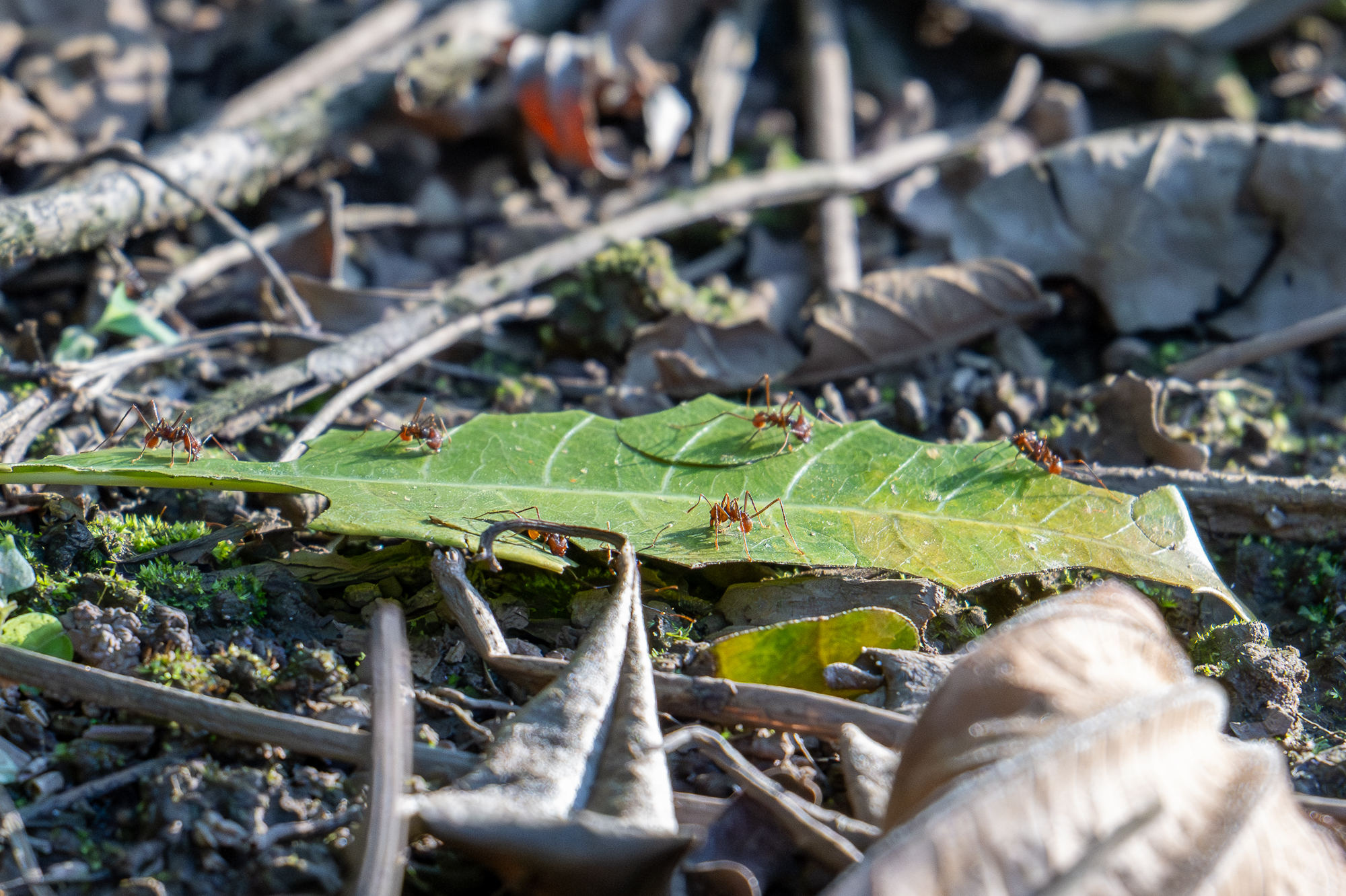
Leaf-cutter ants hard at work. There was a huge line of these ants dicing up and harvesting the leaves off the forest floor.
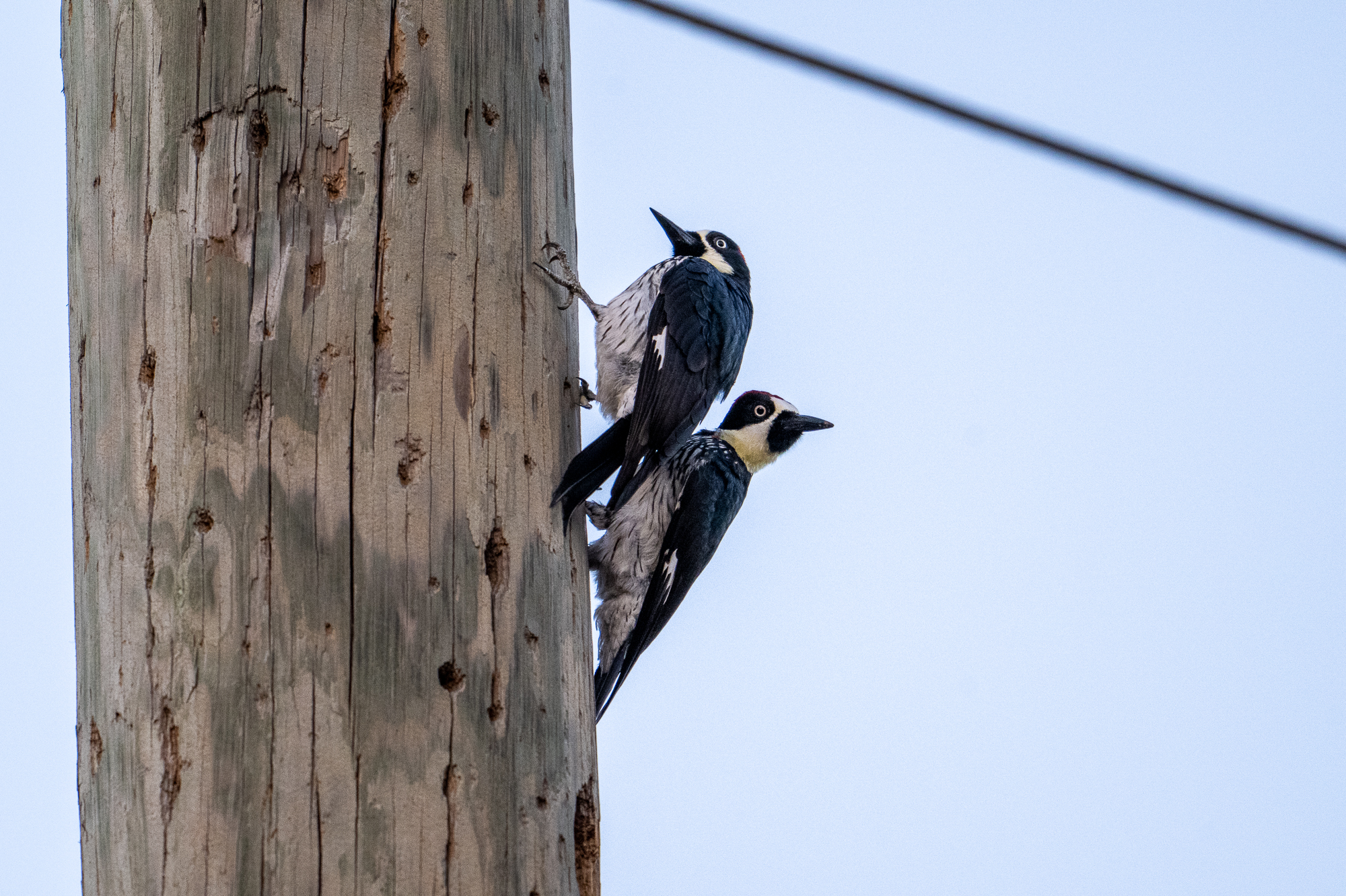
Acorn woodpeckers
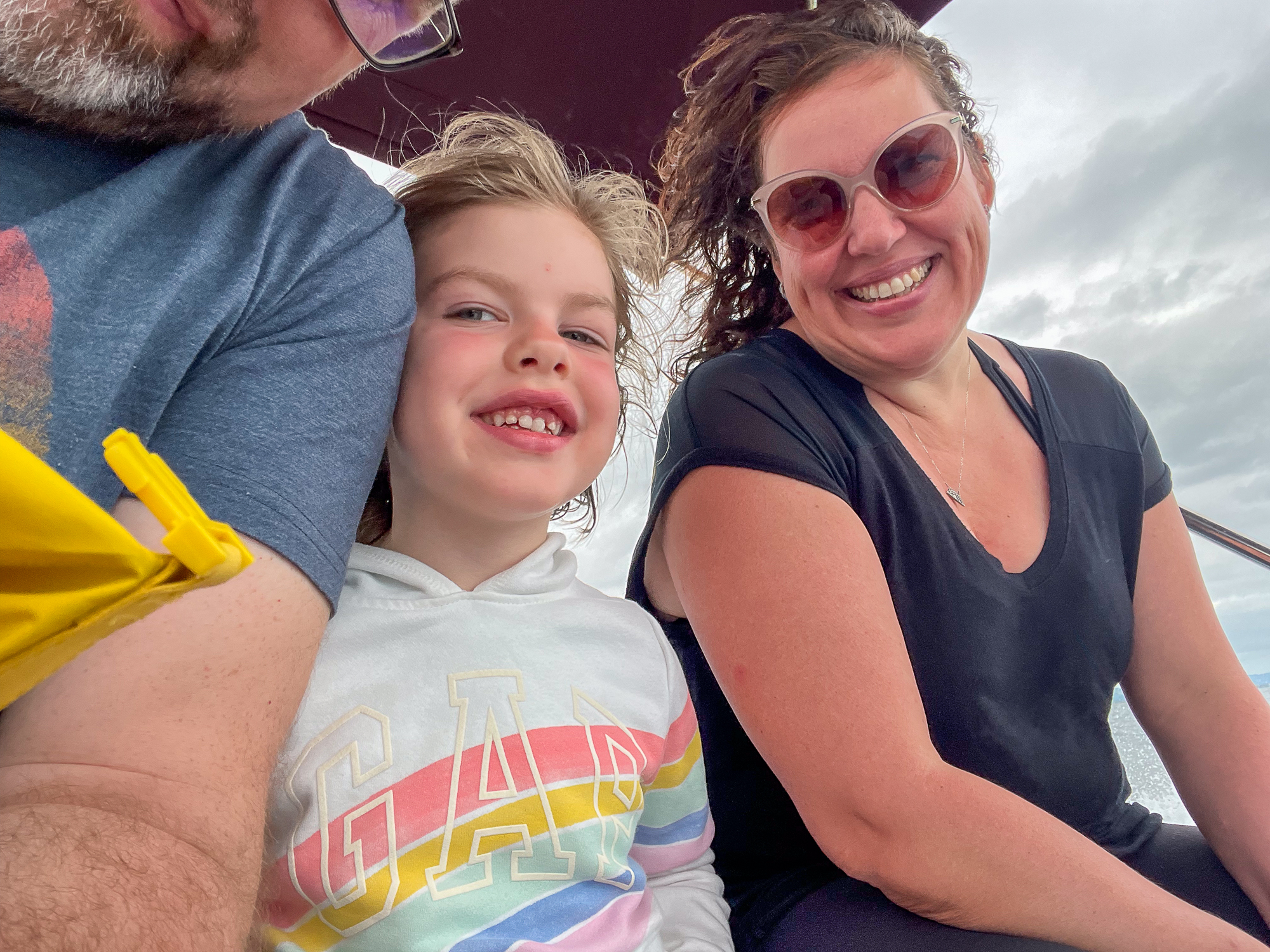
Heading out to sea!
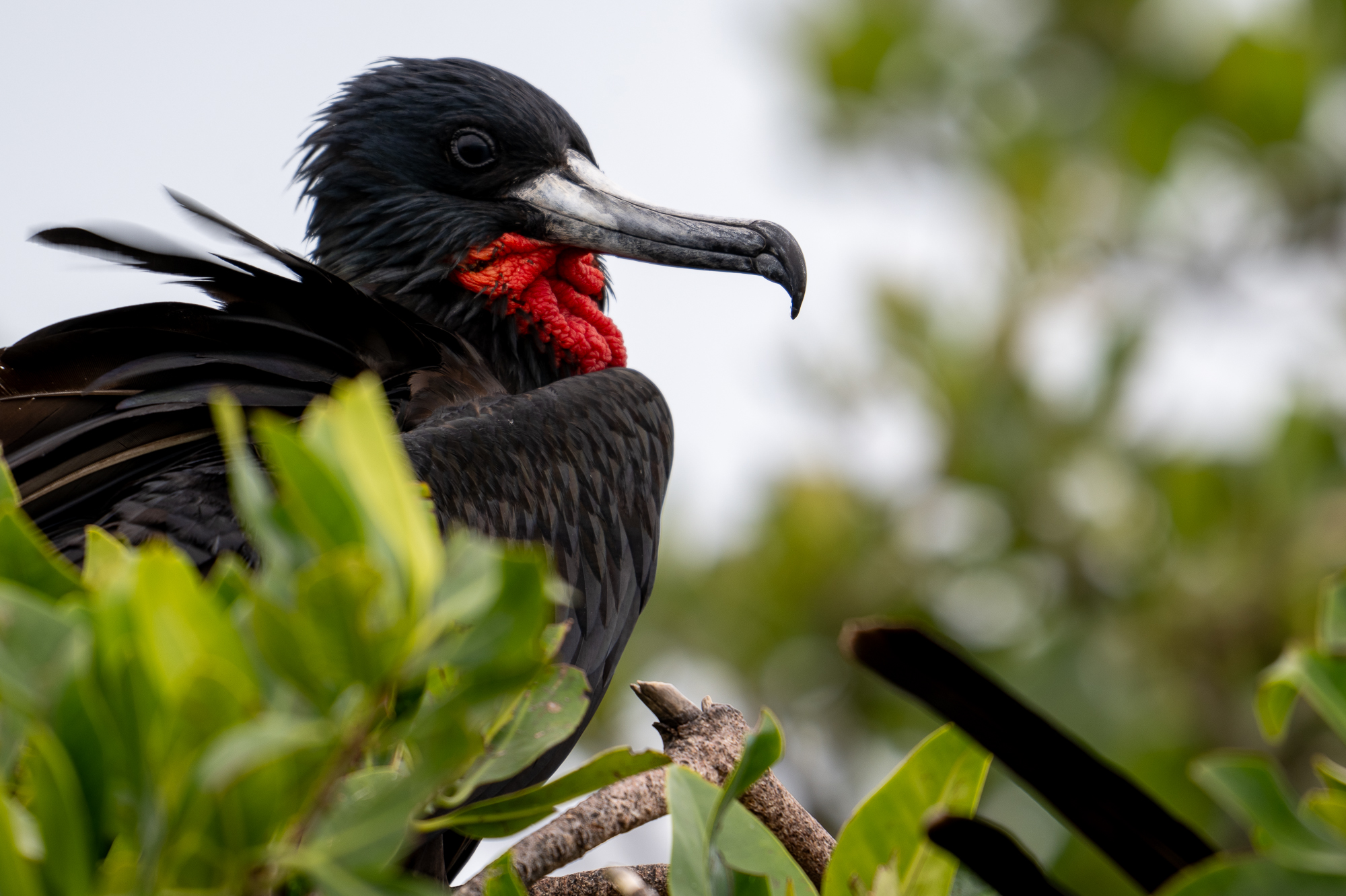
We hopped a boat to explore the Belize Barrier Reef - the second largest reef system in the world - and to get this close-up of a magnificent frigatebird.
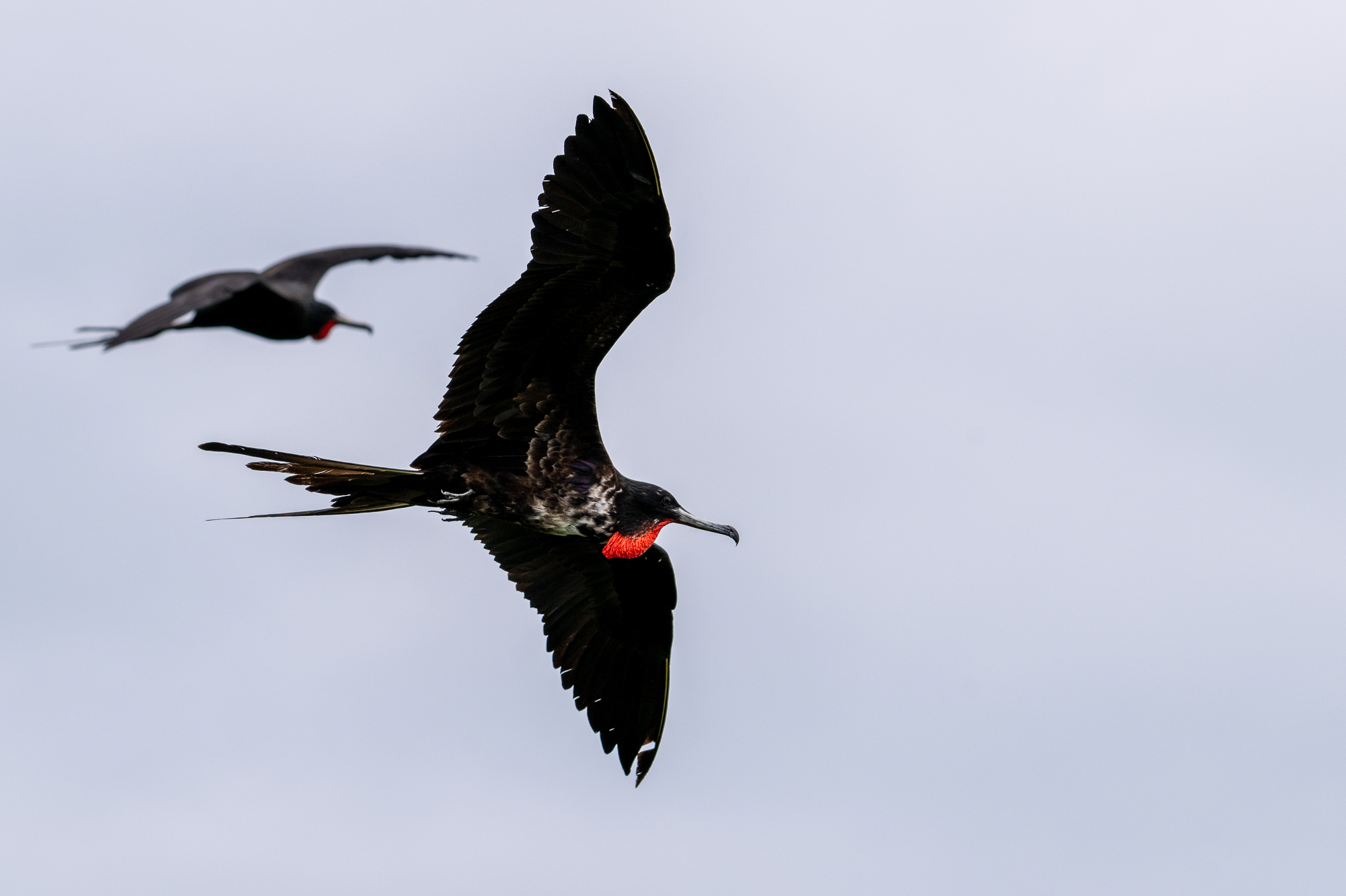
Frigatebirds are the pirates of the sky. Unable to get their feathers wet, they can't fish themselves, so they let other birds catch a meal and then harry them until they drop it.
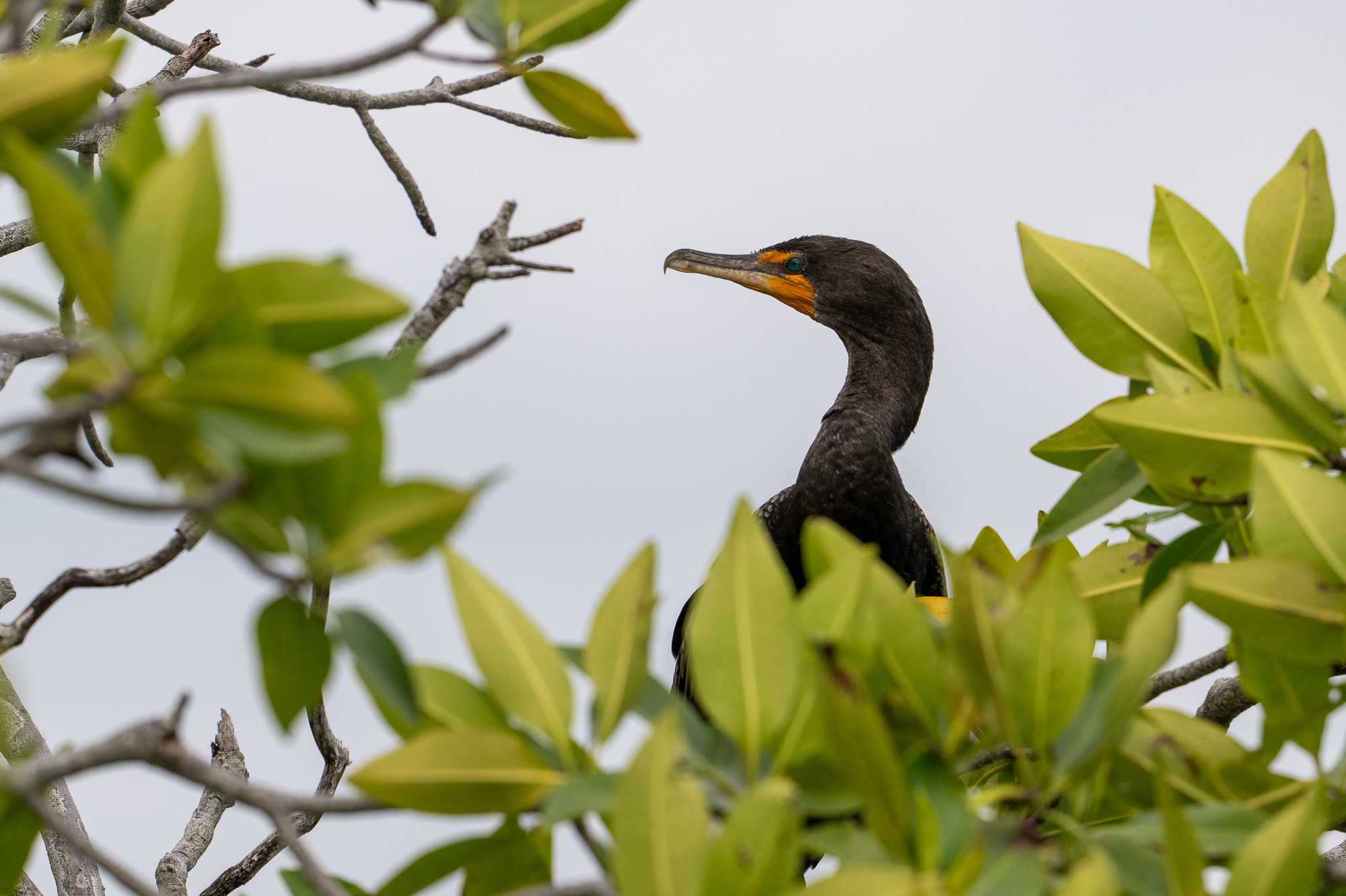
Double-crested cormorant
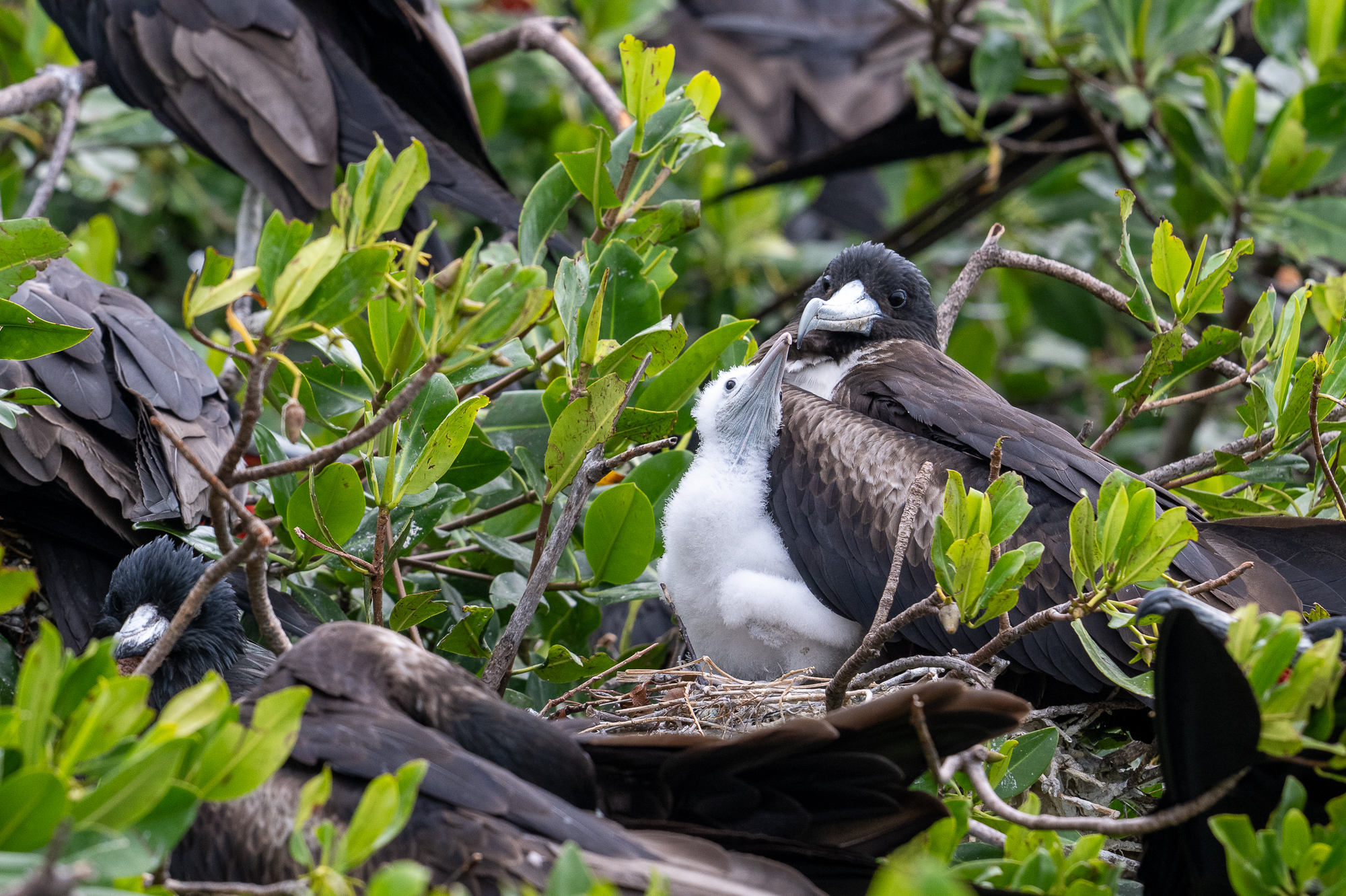
A baby frigatebird, probably just days old.
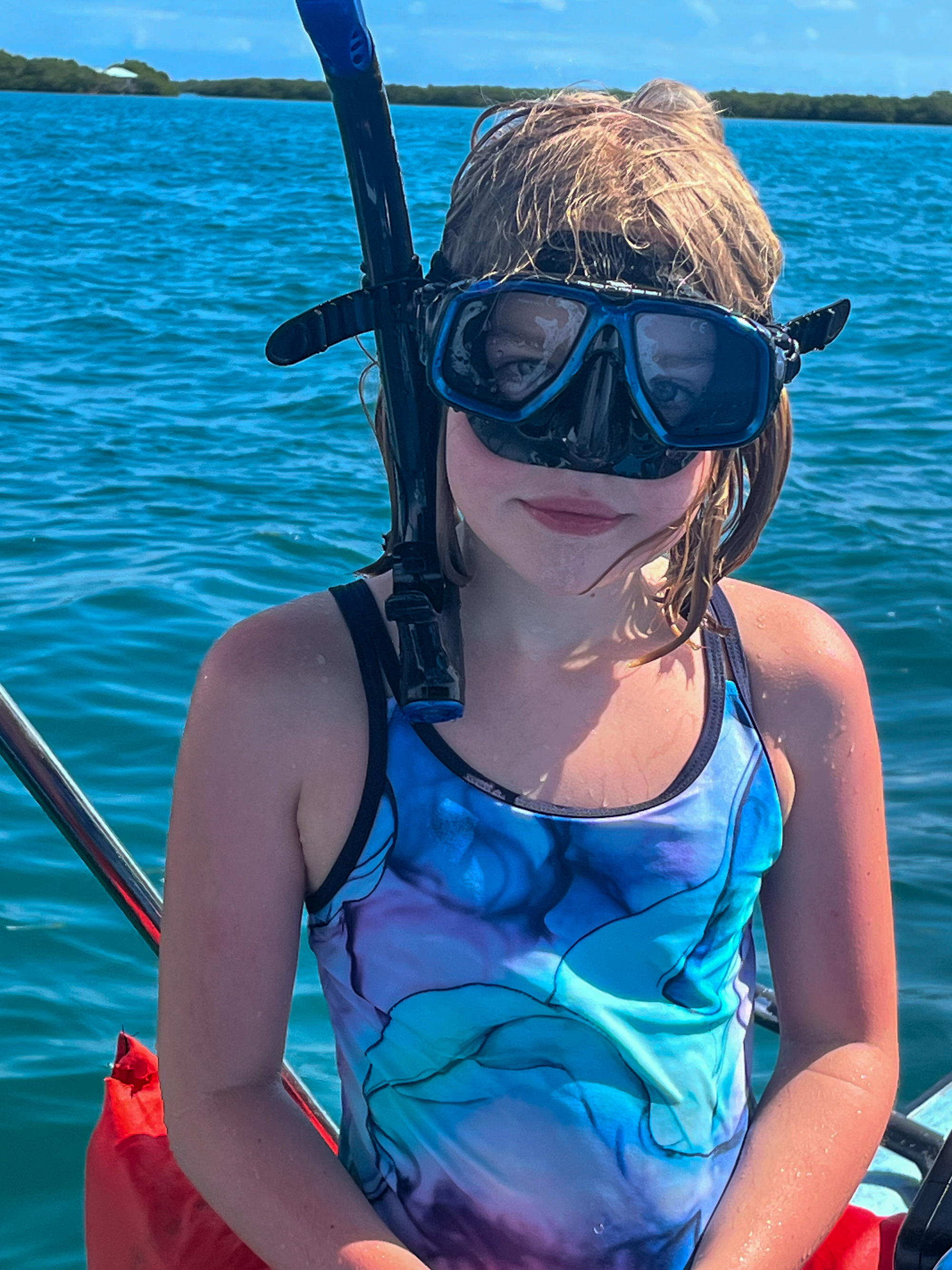
Imogen ready for snorkelling! She took to it like a fish, and is already asking us when we can do another trip where she can snorkel again.
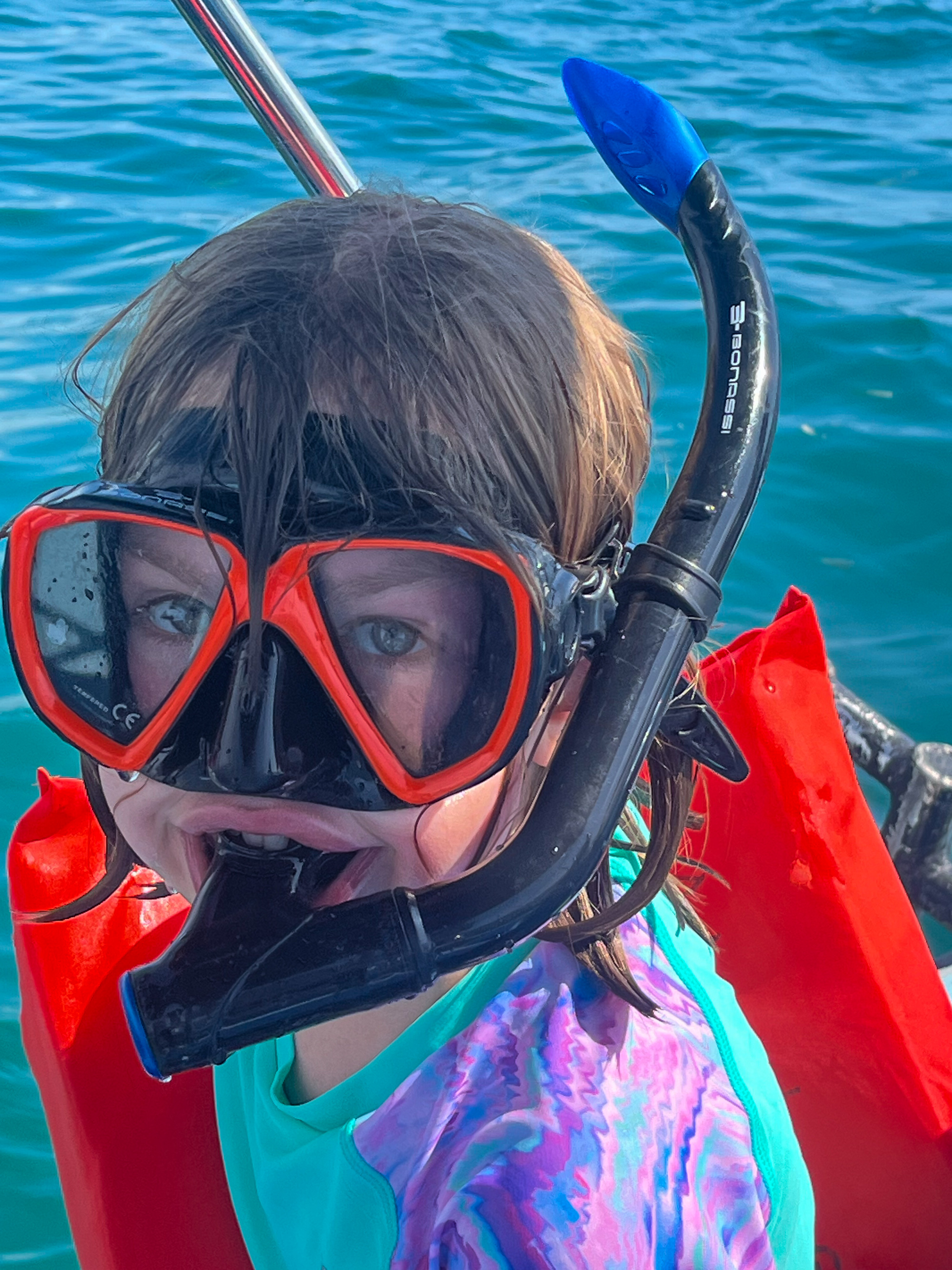
Geared up and ready to swim! Leighton didn't love snorkelling this time and didn't last long - although it may partly be because she had a very loose tooth which would fall out on this very boat trip.
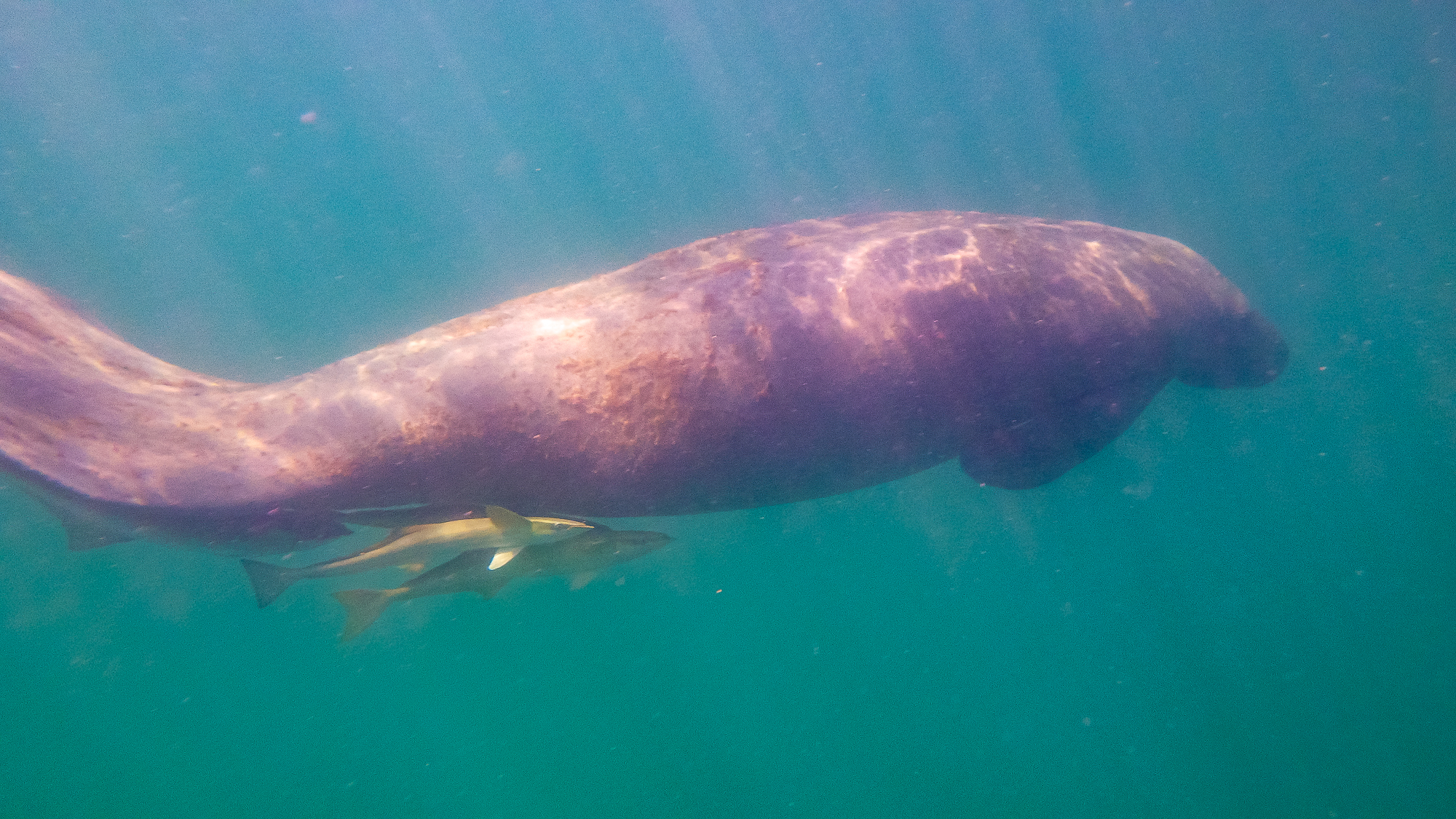
Into the water to snorkel along the Belize Barrier Reef - and with this manatee!
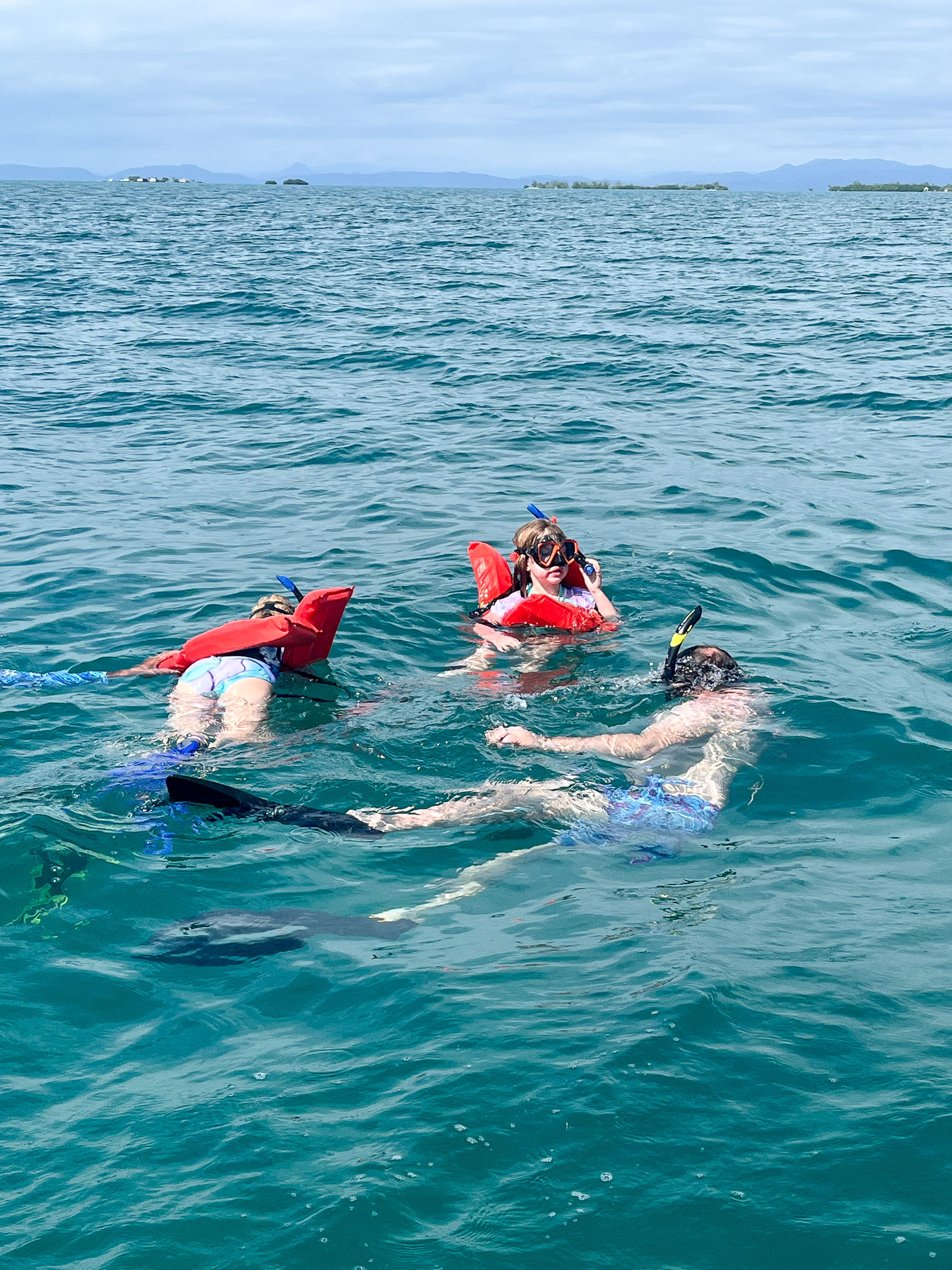
Snorkelling with my girls (not pictured is Sloane, who decided to watch and take photos from the boat)
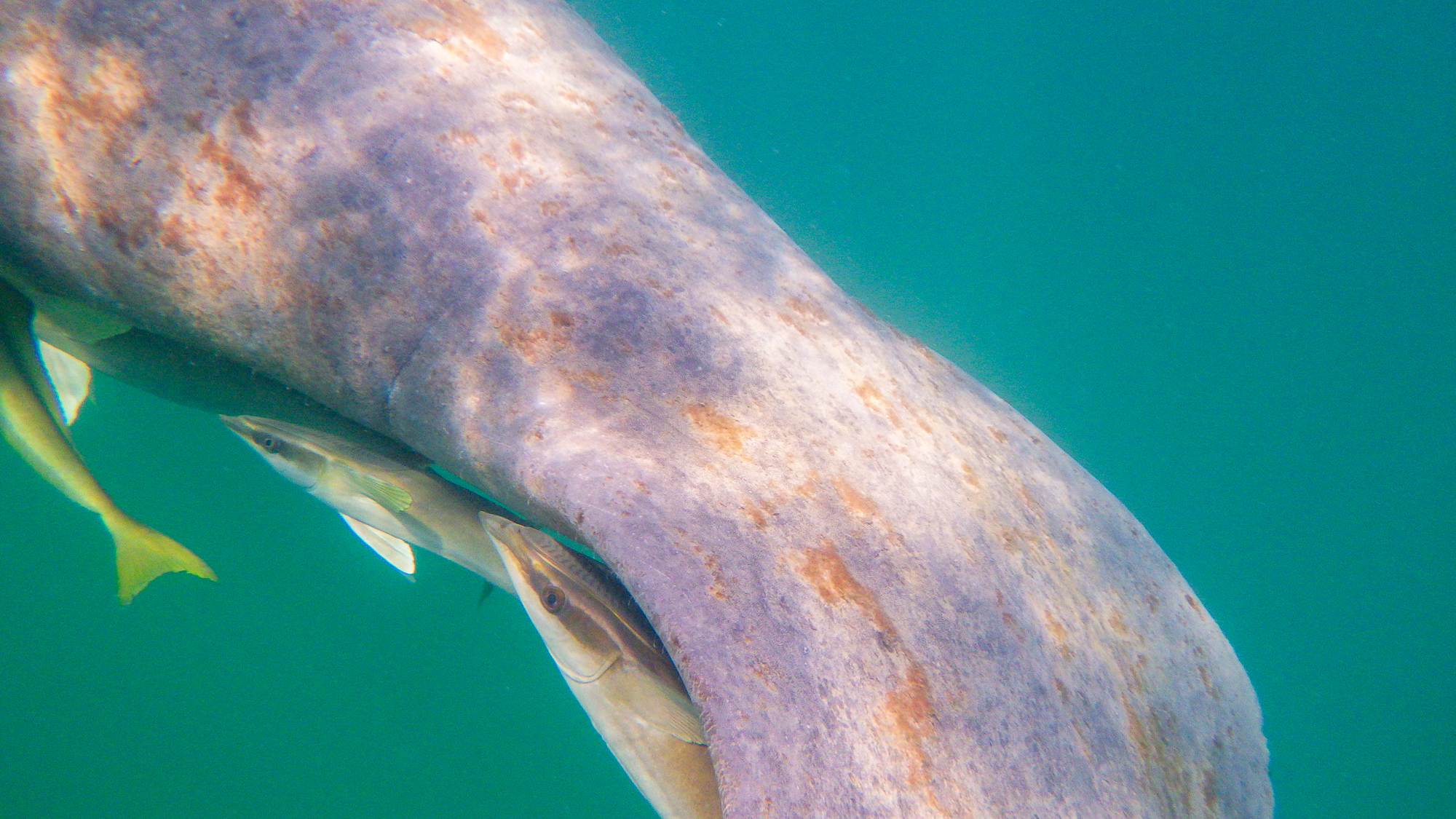
Common remora or suckerfish taking advantage of the shelter provided by the manatee's tail
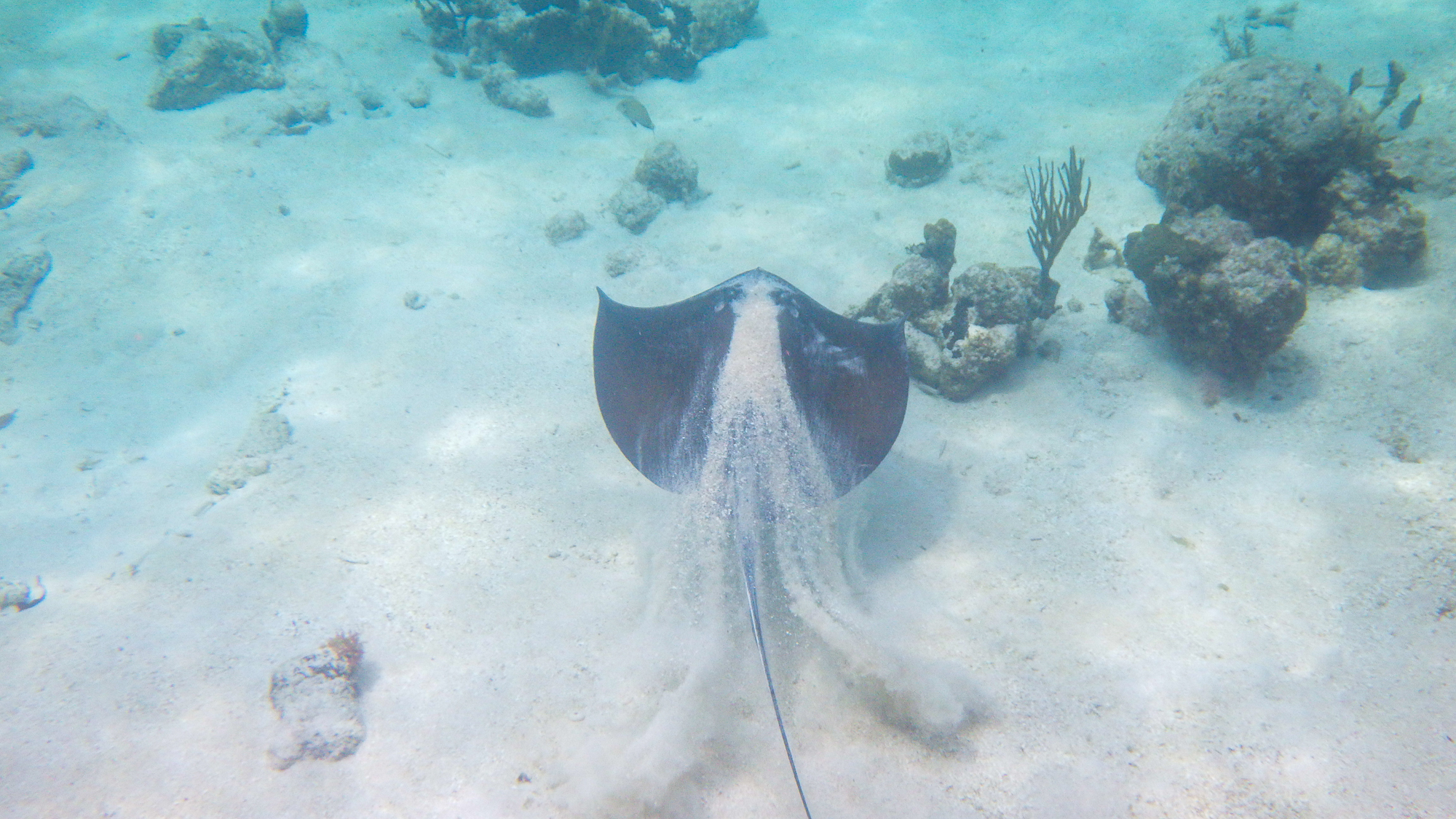
A southern stingray takes off, shaking the sand off him as he climbs off the ocean floor
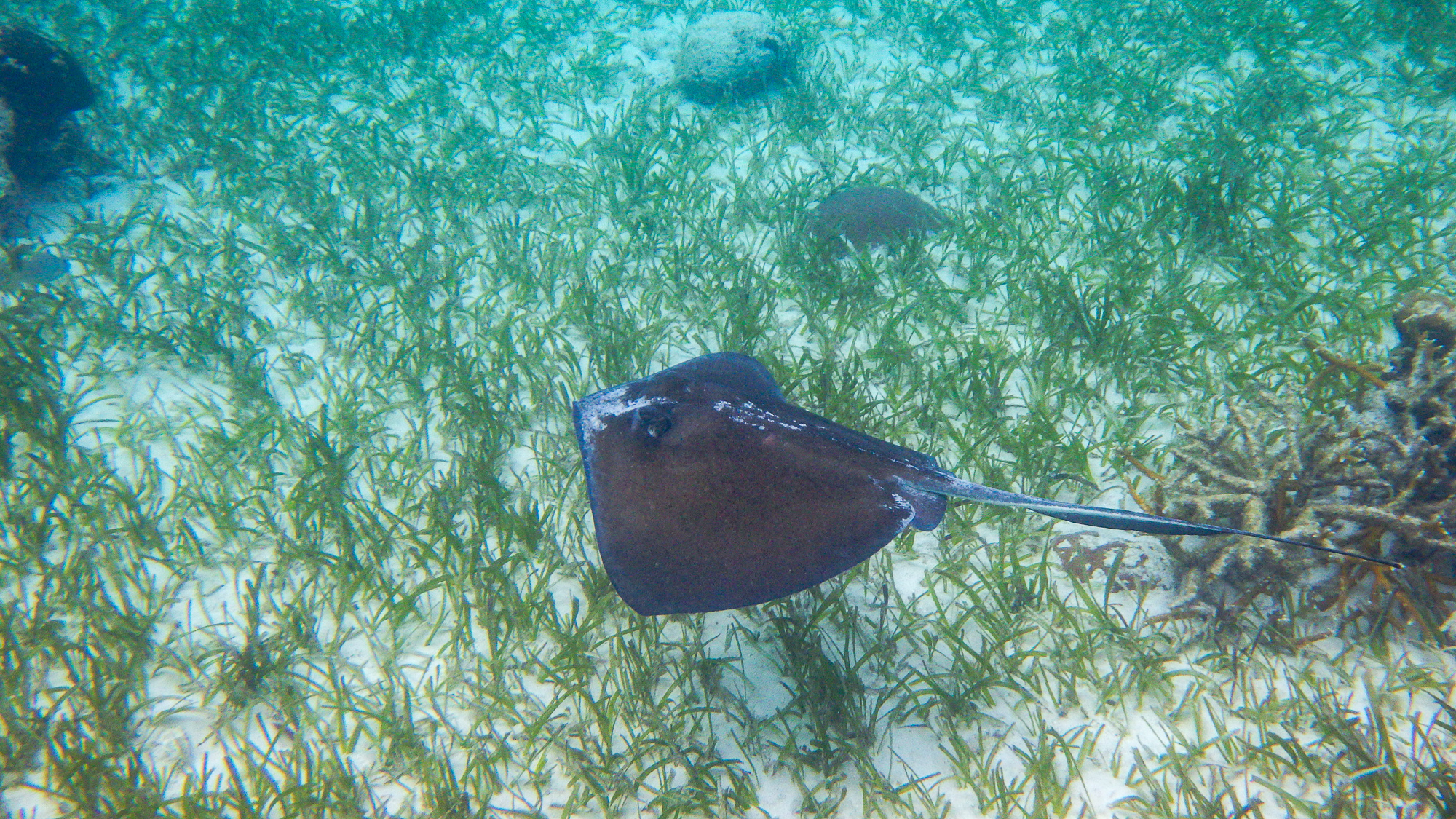
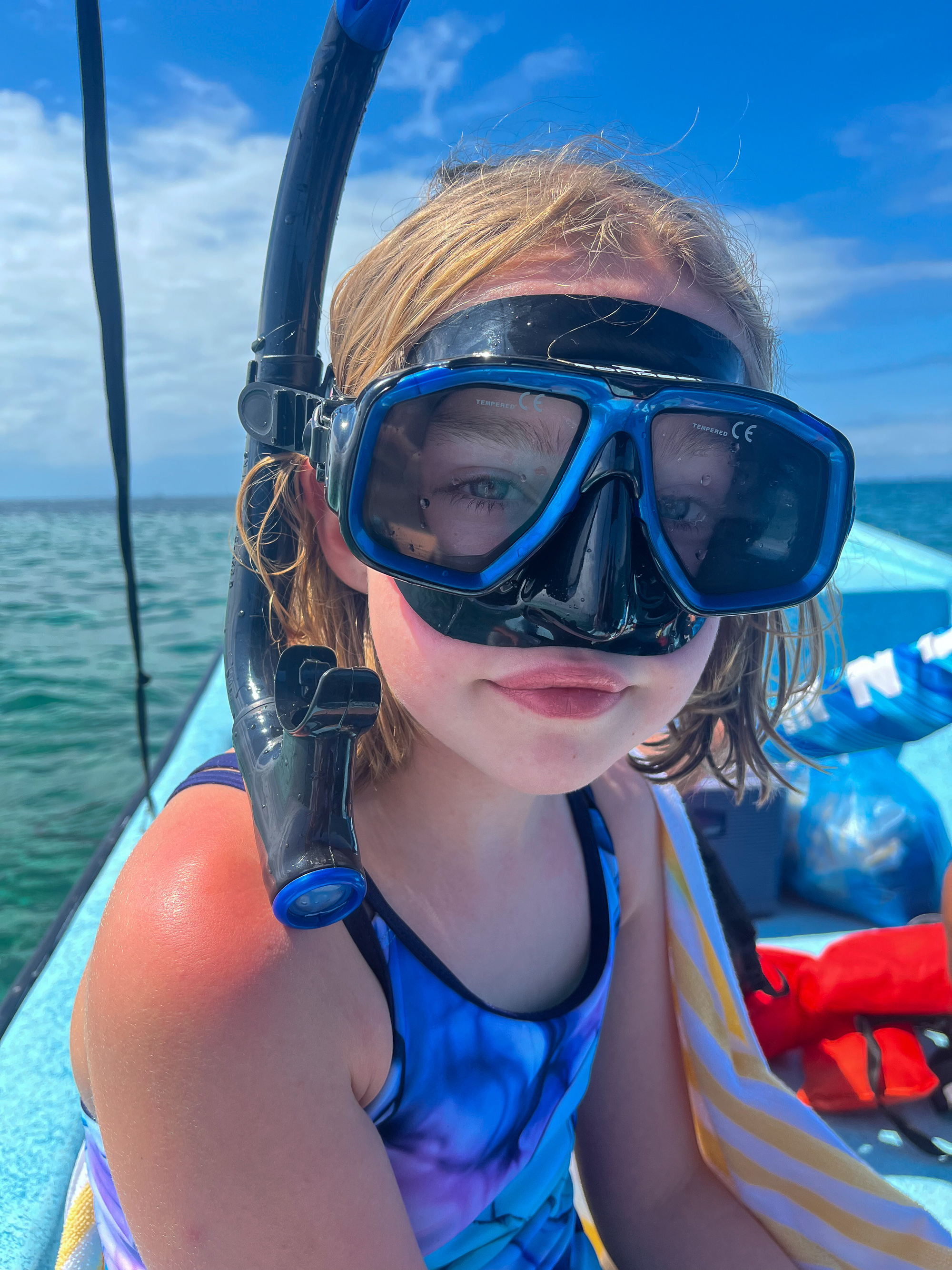
First ocean snorkel done - manatee, nurse shark, stingray, many fish and one happy girl.
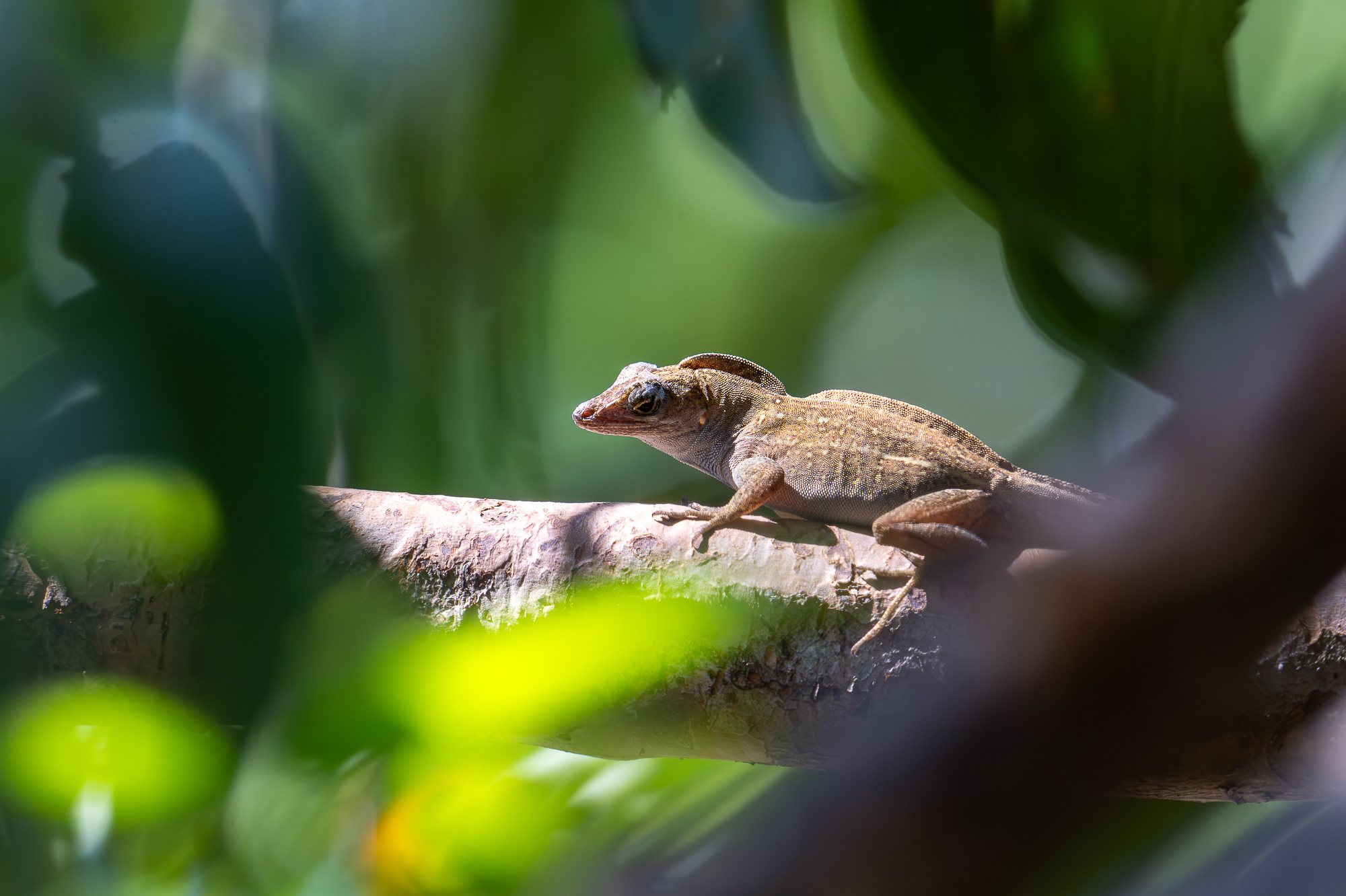
We saw brown anoles constantly during the day, replaced at night by house geckos.
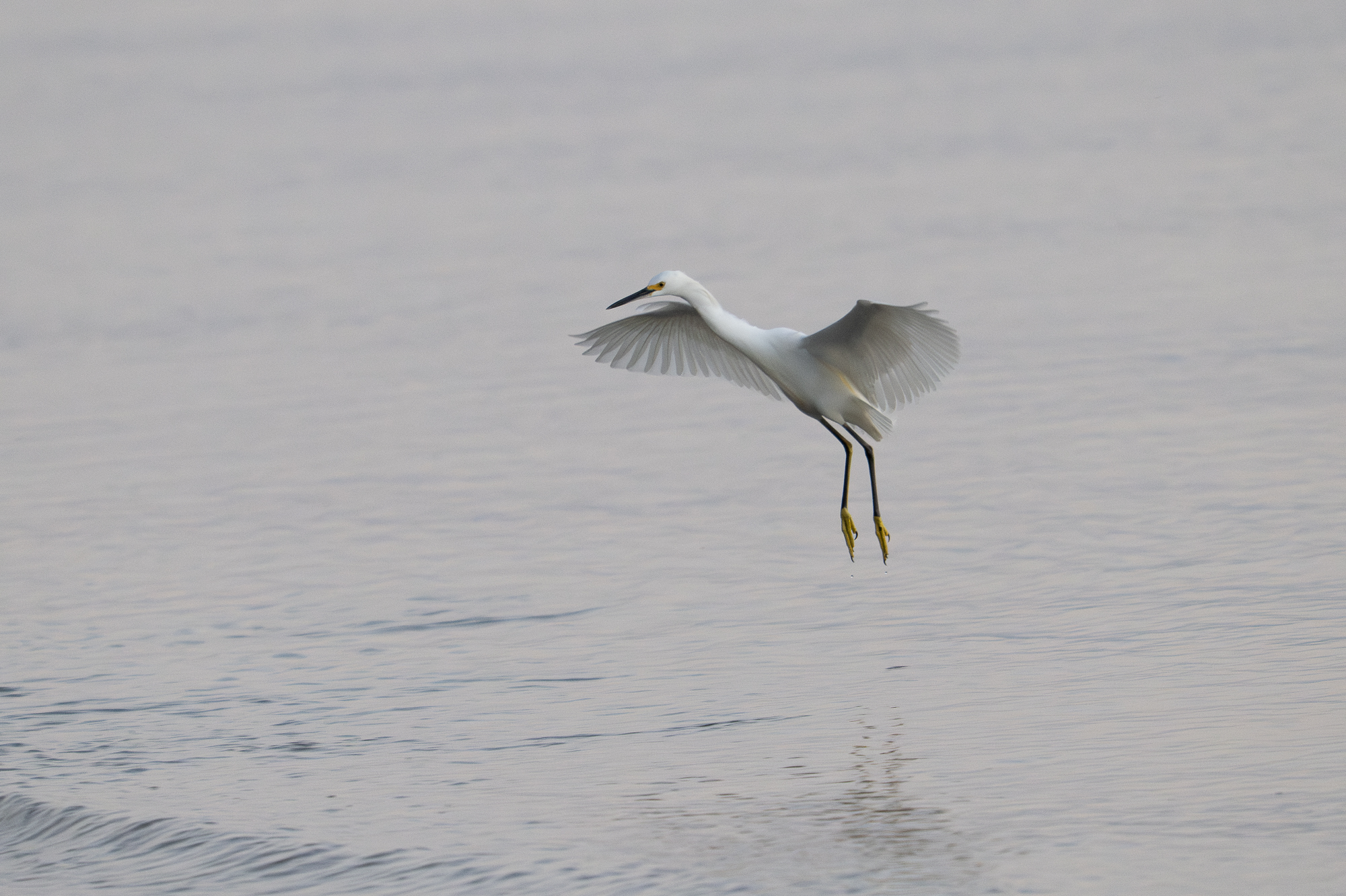
A snowy egret with the landing gear down
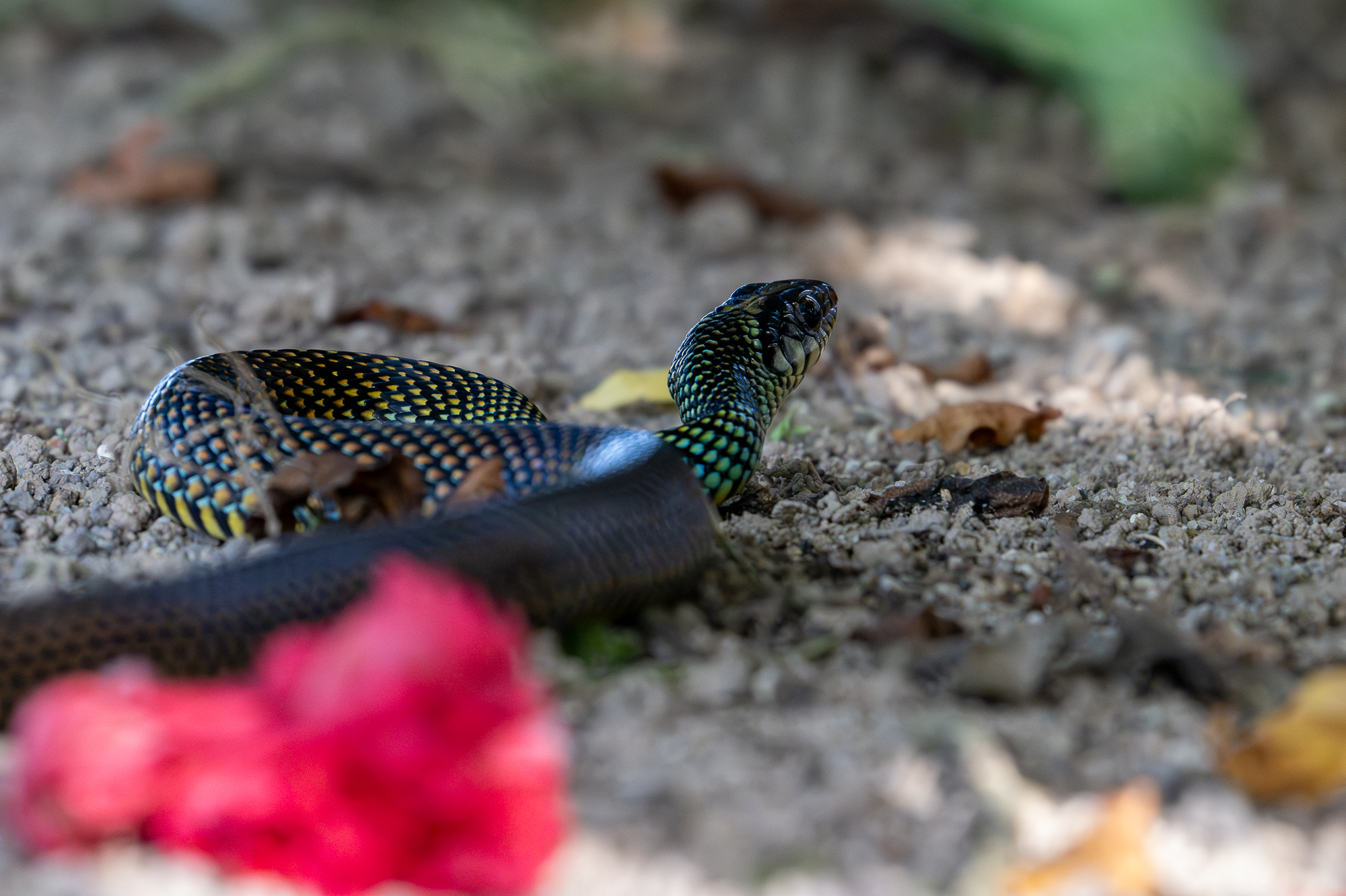
A speckled racer near the pool at our hotel. Non-venomous, these snakes are so named because of their speed and agility.
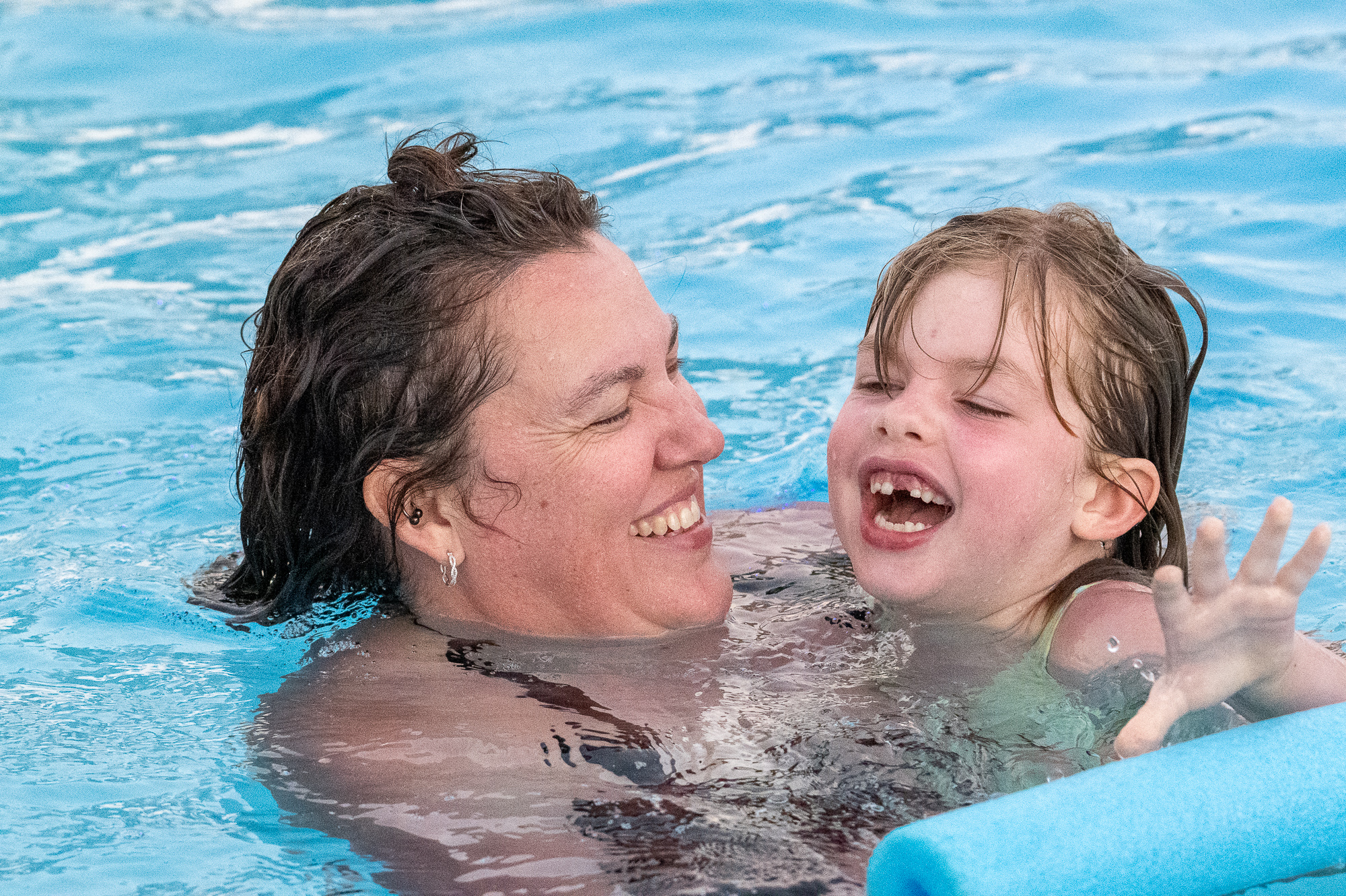
Megan and Leighton playing in the pool - featuring the brand new gap in Leighton's mouth.
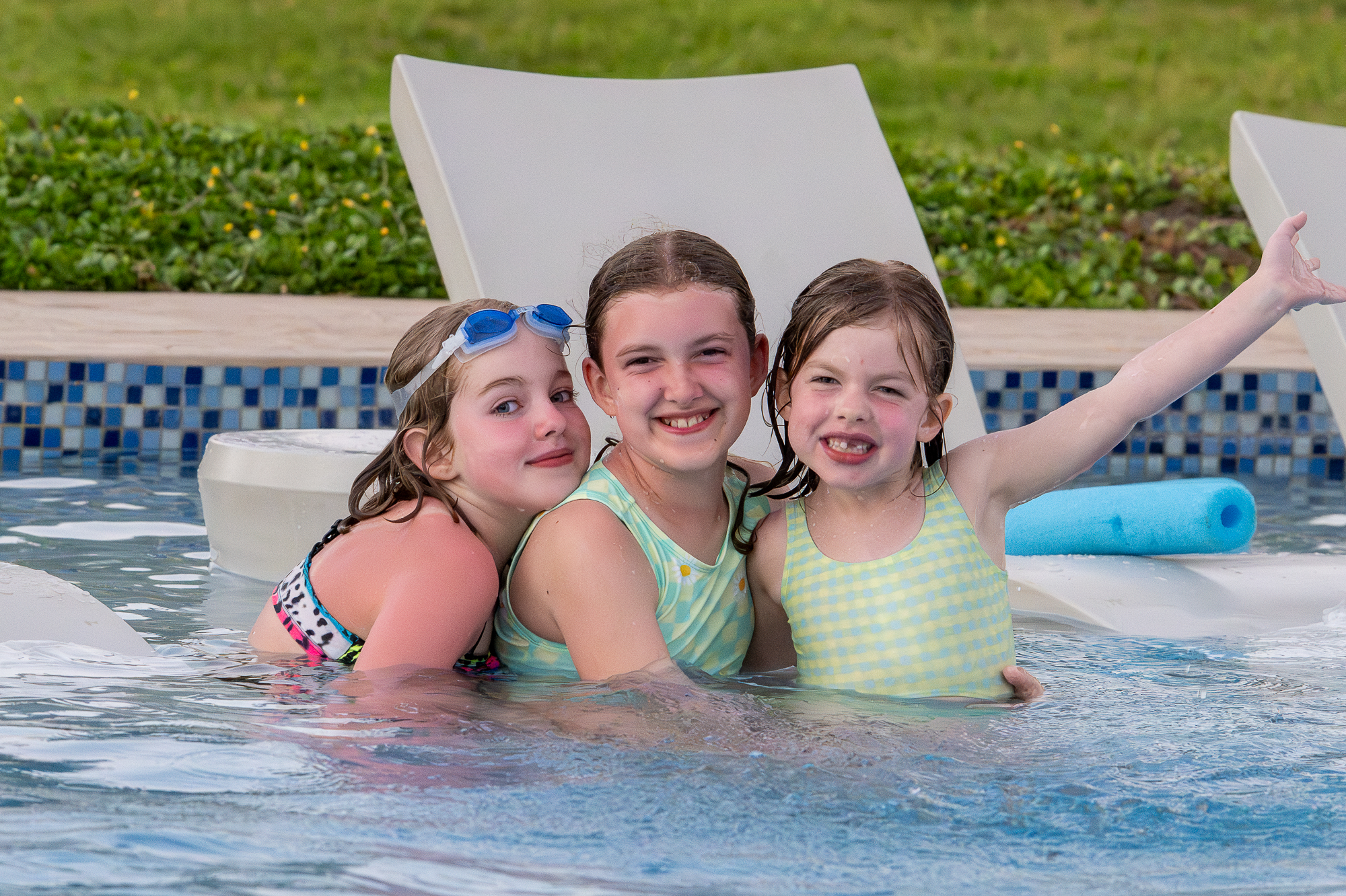
The Mallon girls!
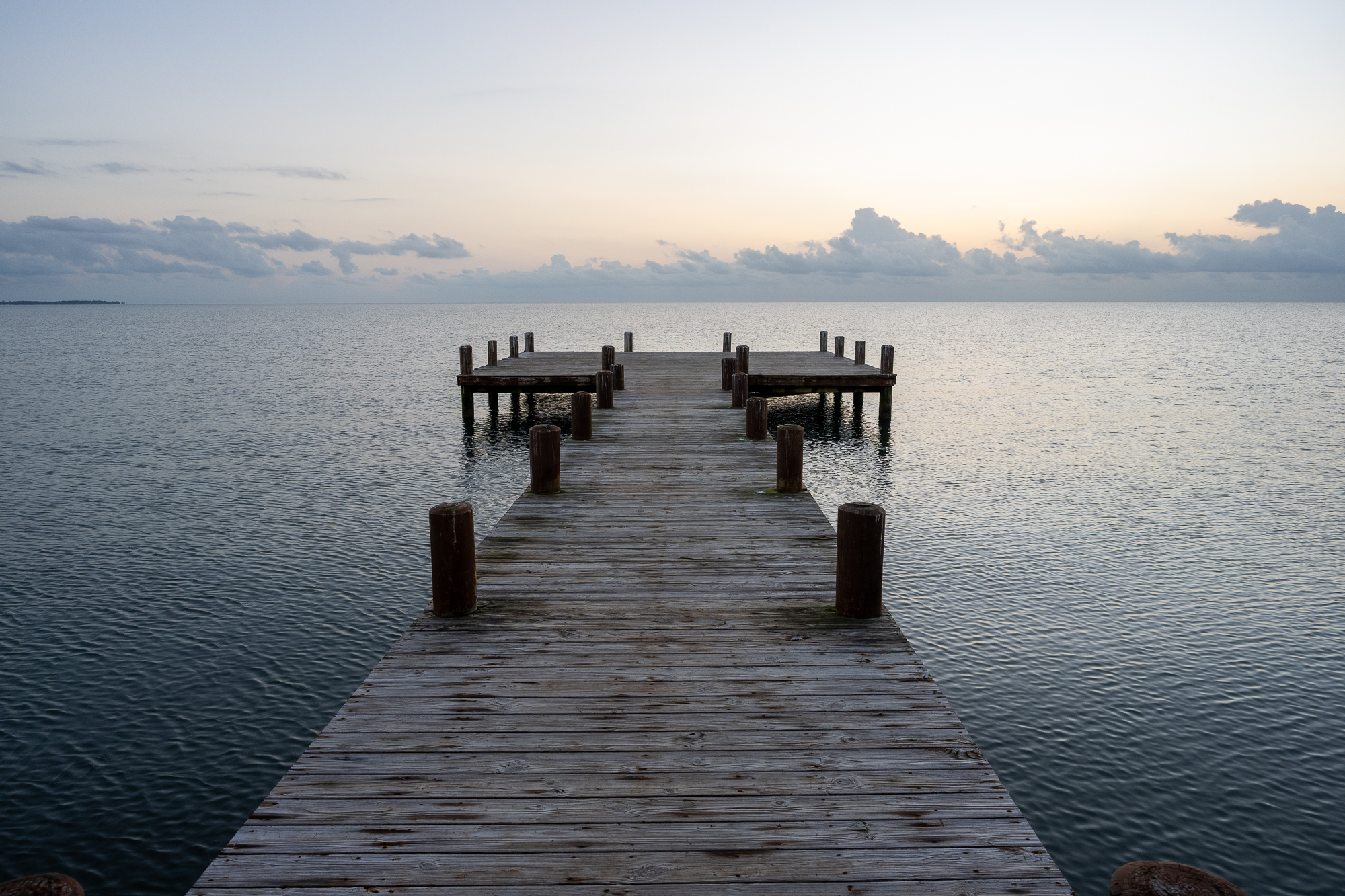
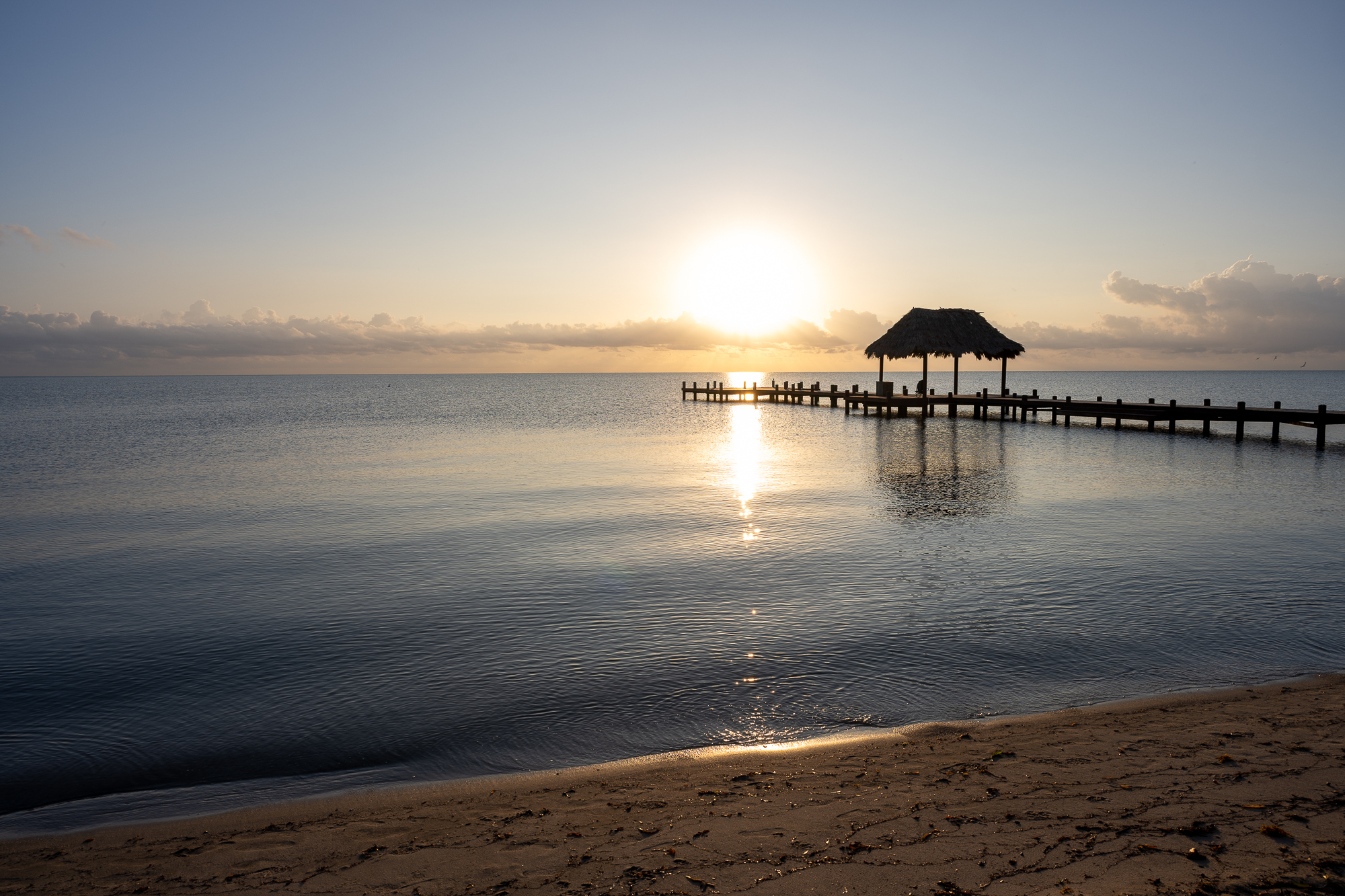
Off the pier and out to sea
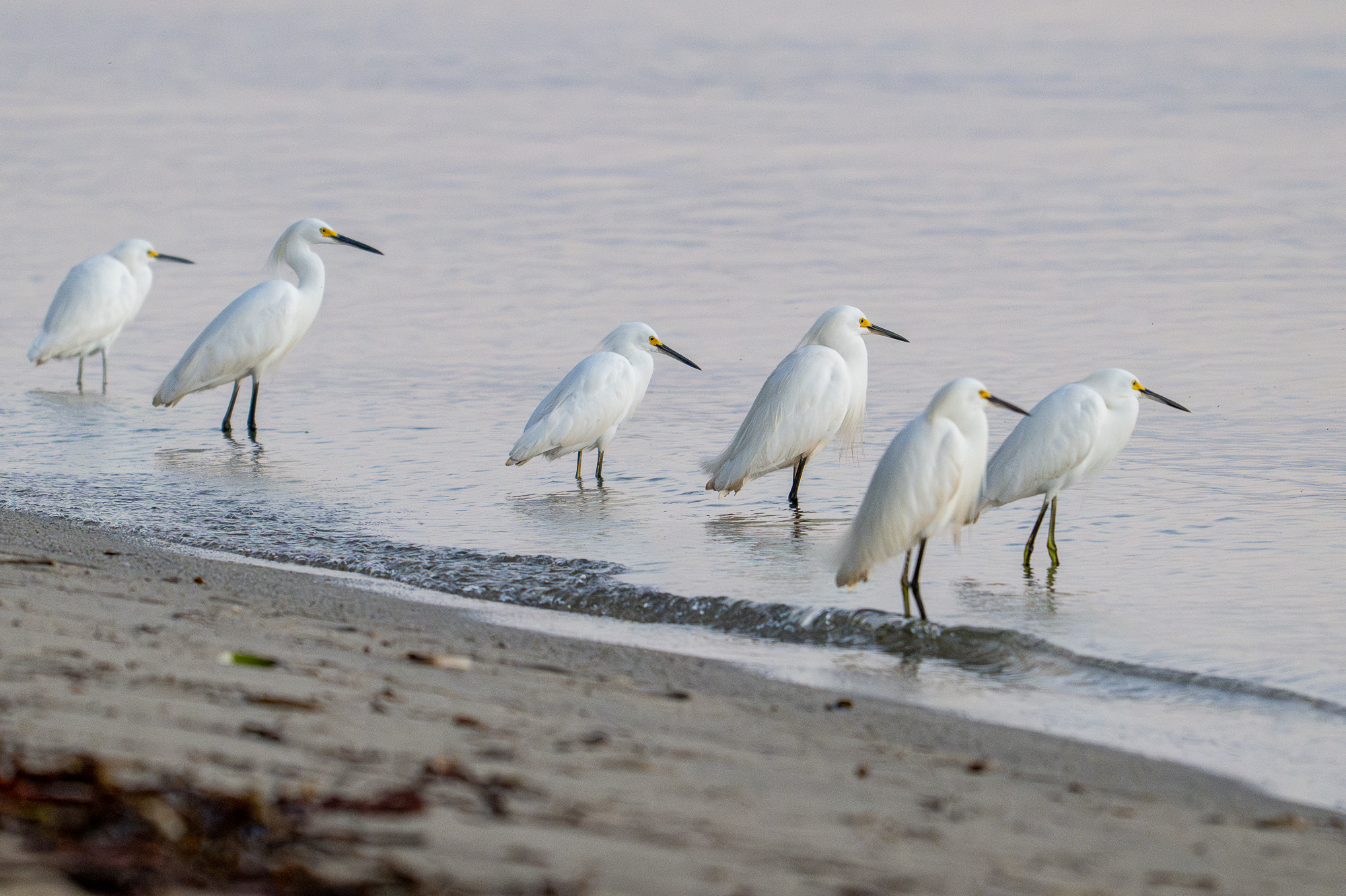
Morning fishermen
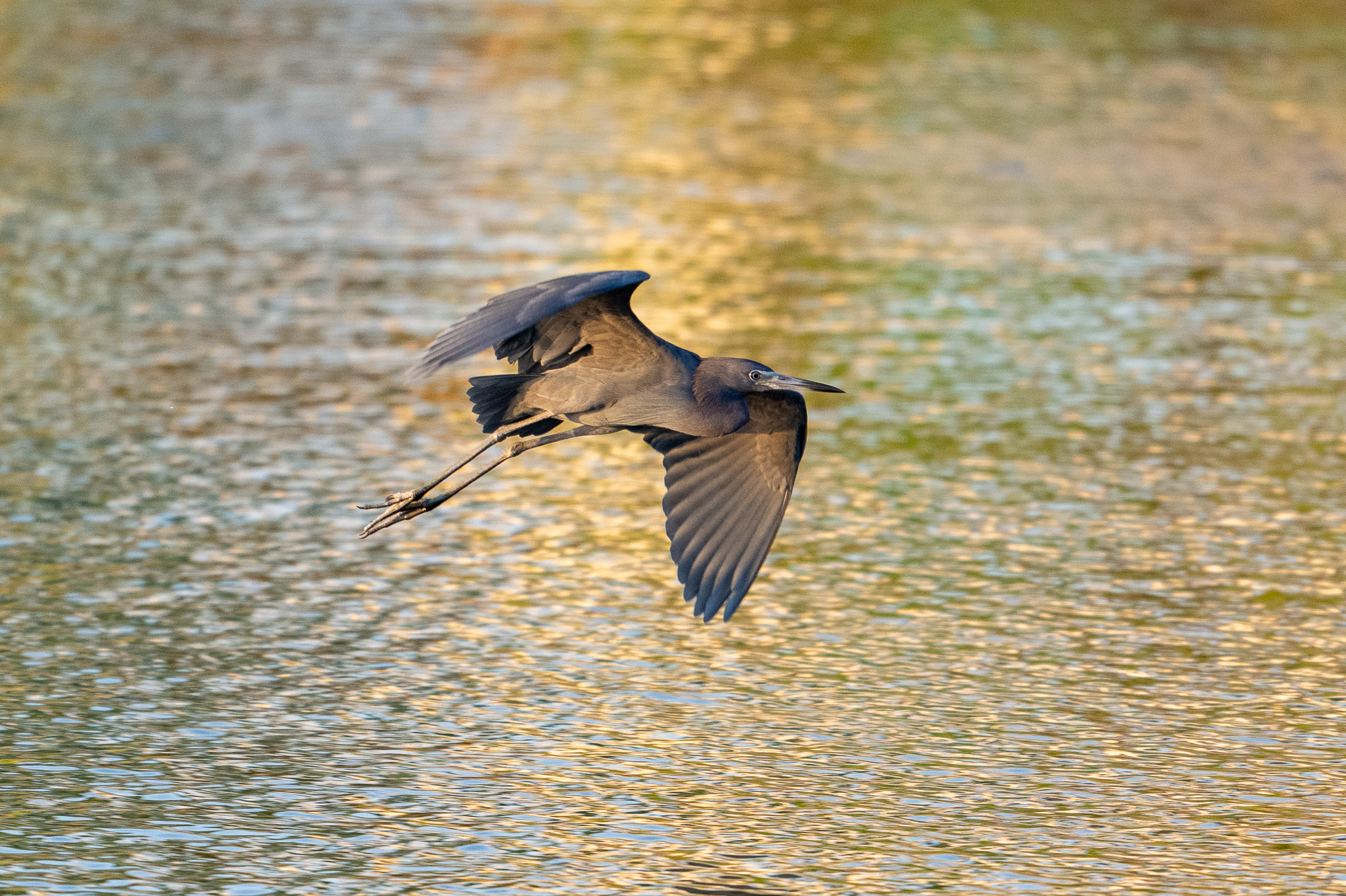
Little Blue Heron in flight
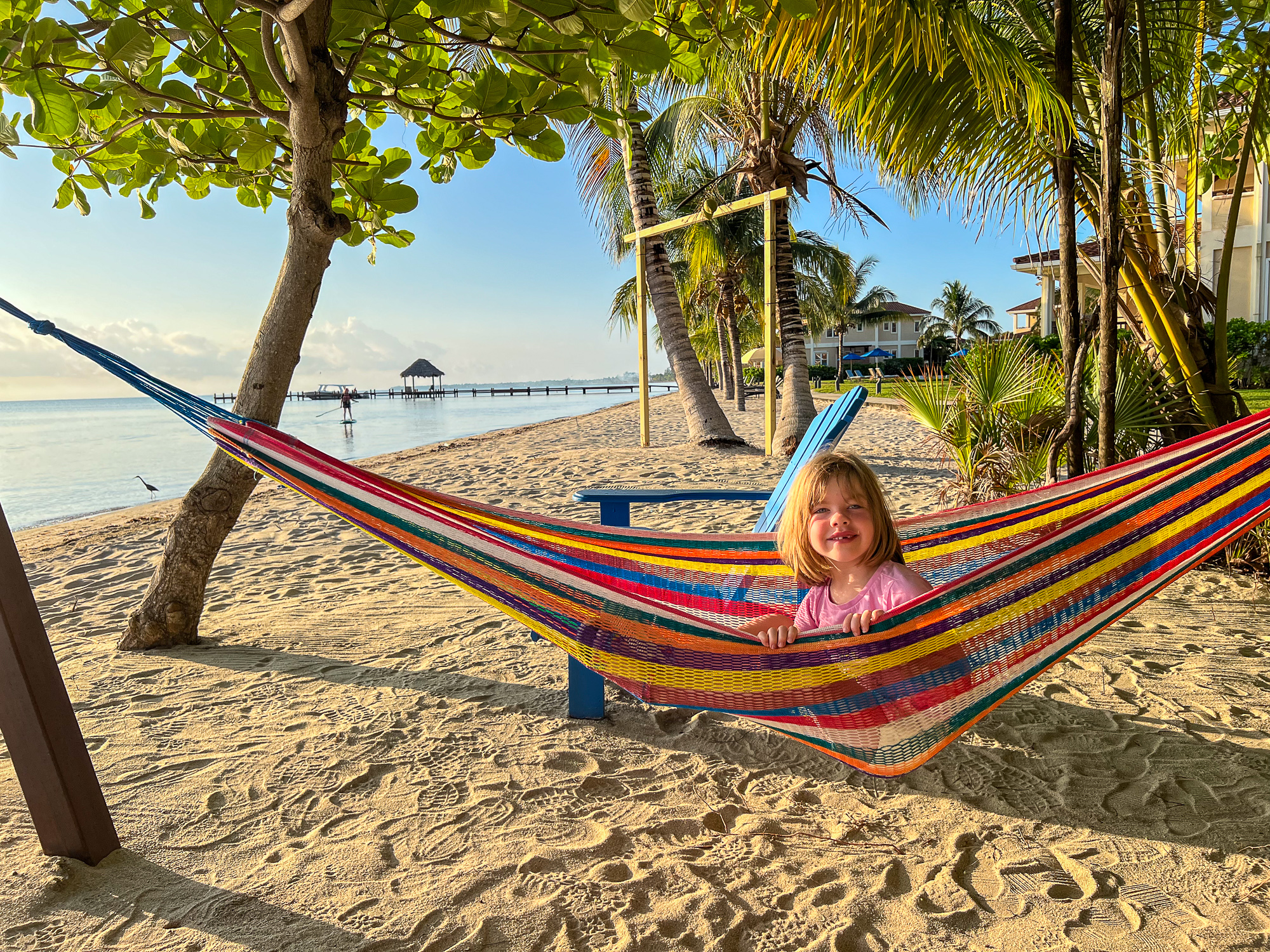
Leighton and I got up early to walk the beach while the others slept in and she accomplished her bucket list item for the trip - relaxing in a hammock!
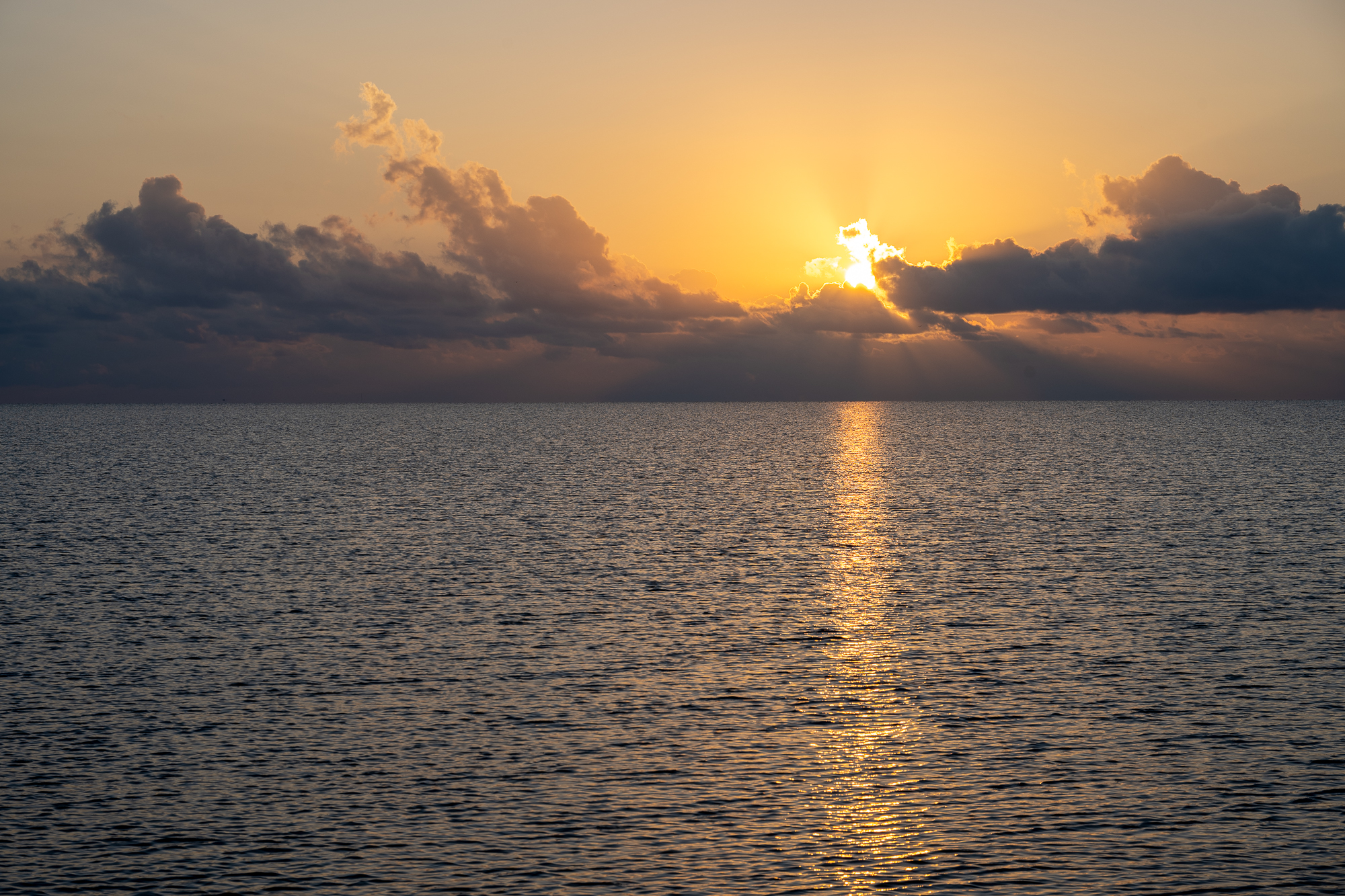
Sunrise over the Caribbean
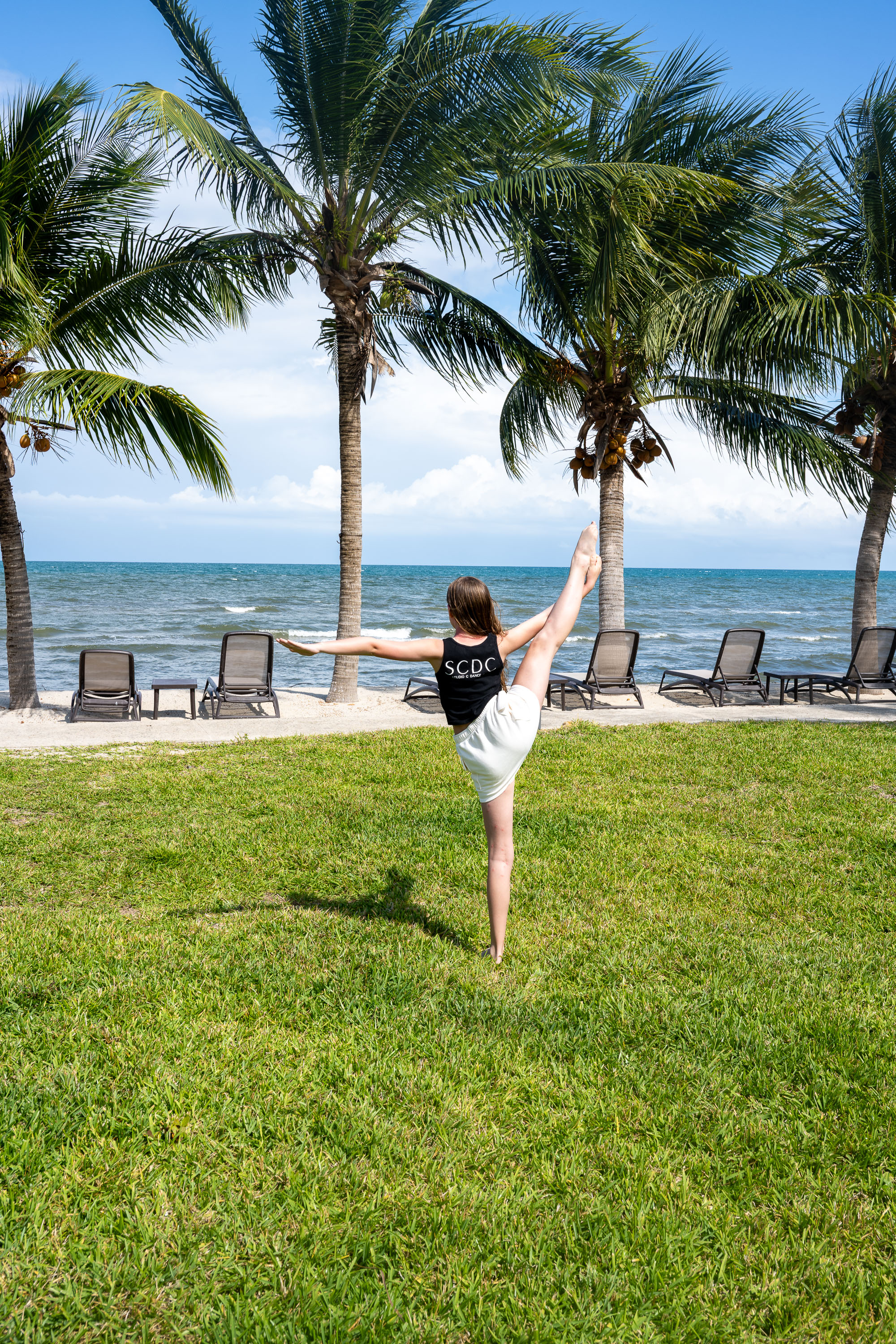
Sloane repping the dance studio in another far away place!
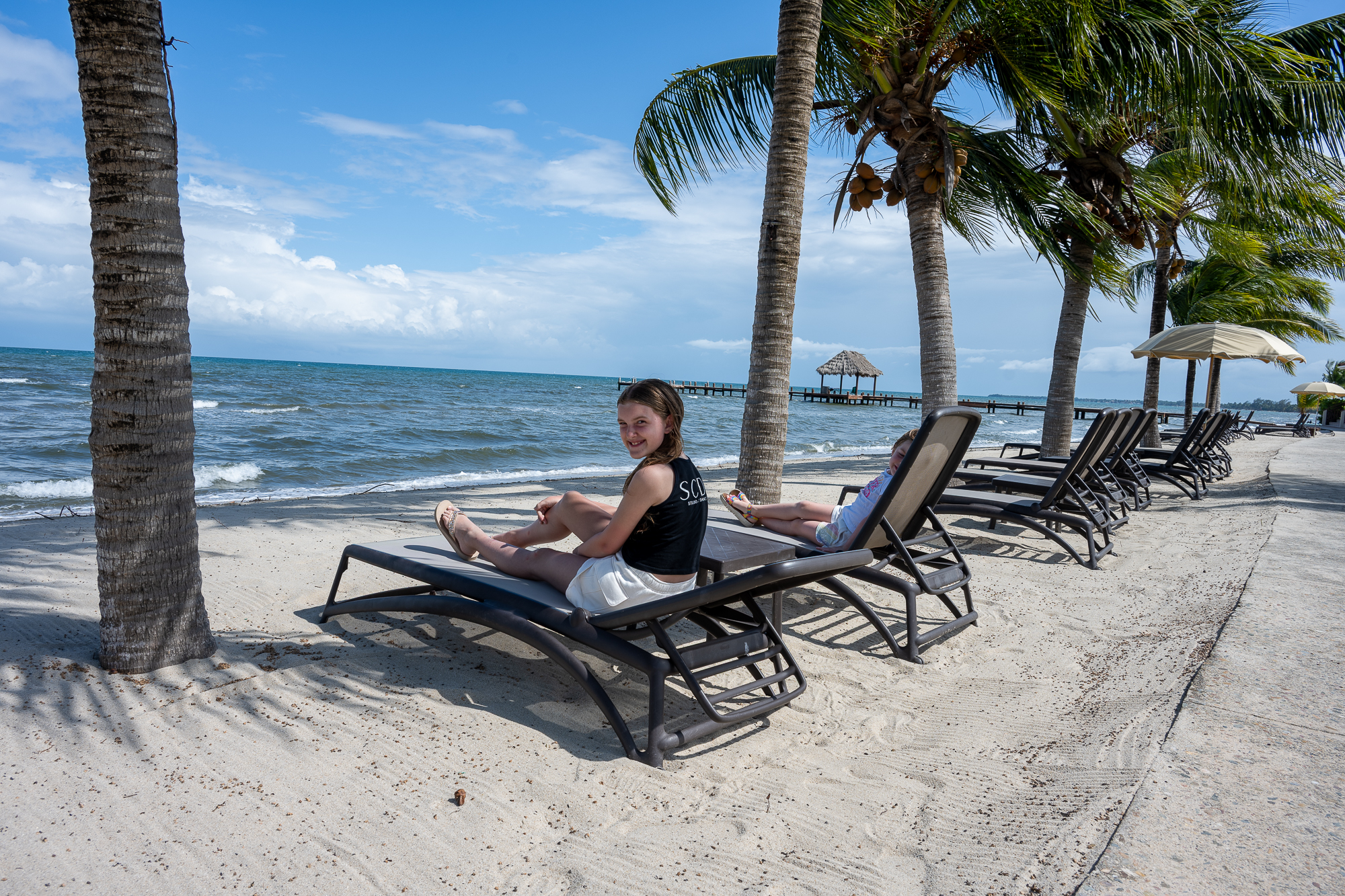
Relaxing on the beach
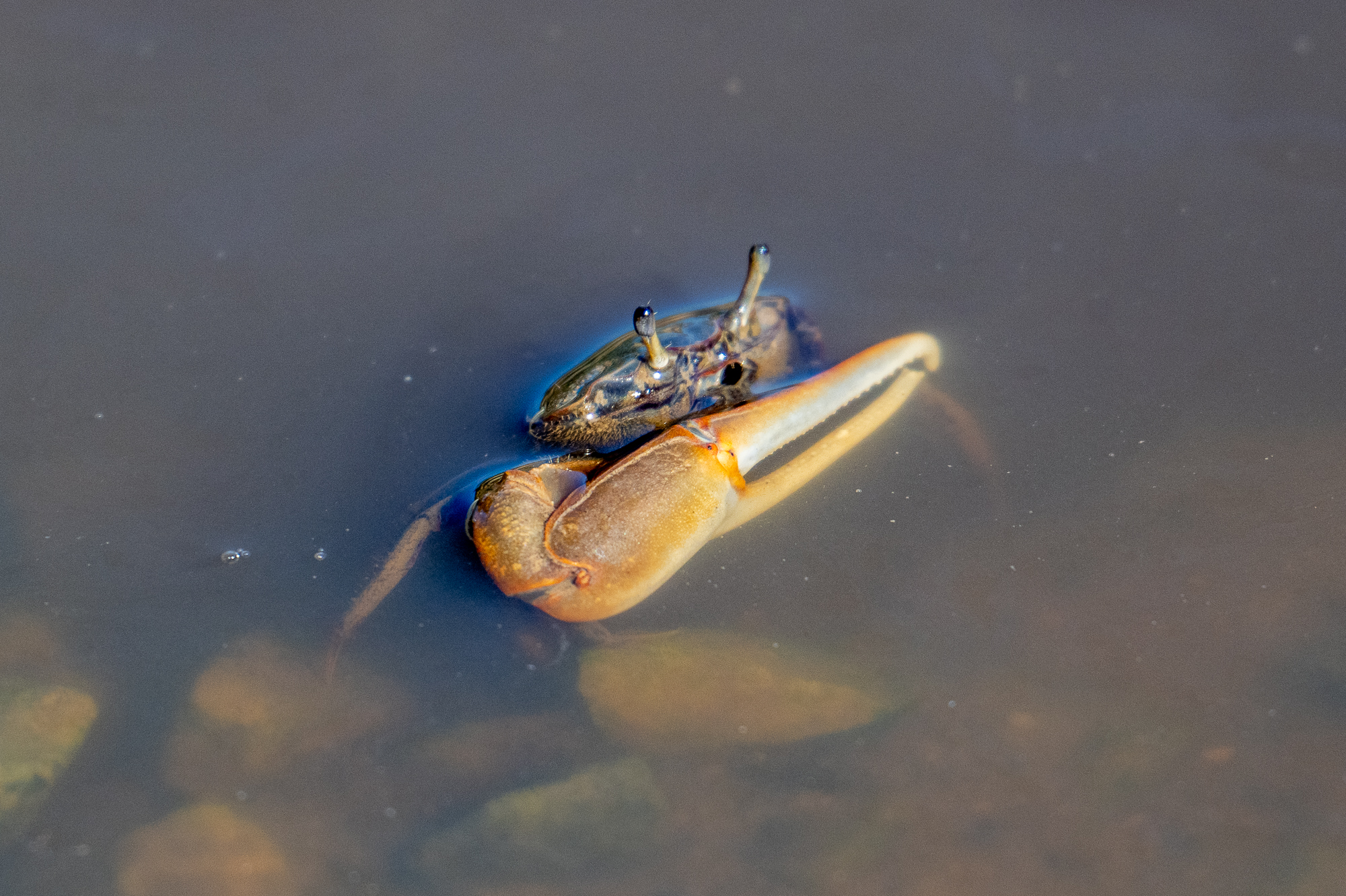
A mudflat fiddler crab outside our hotel.
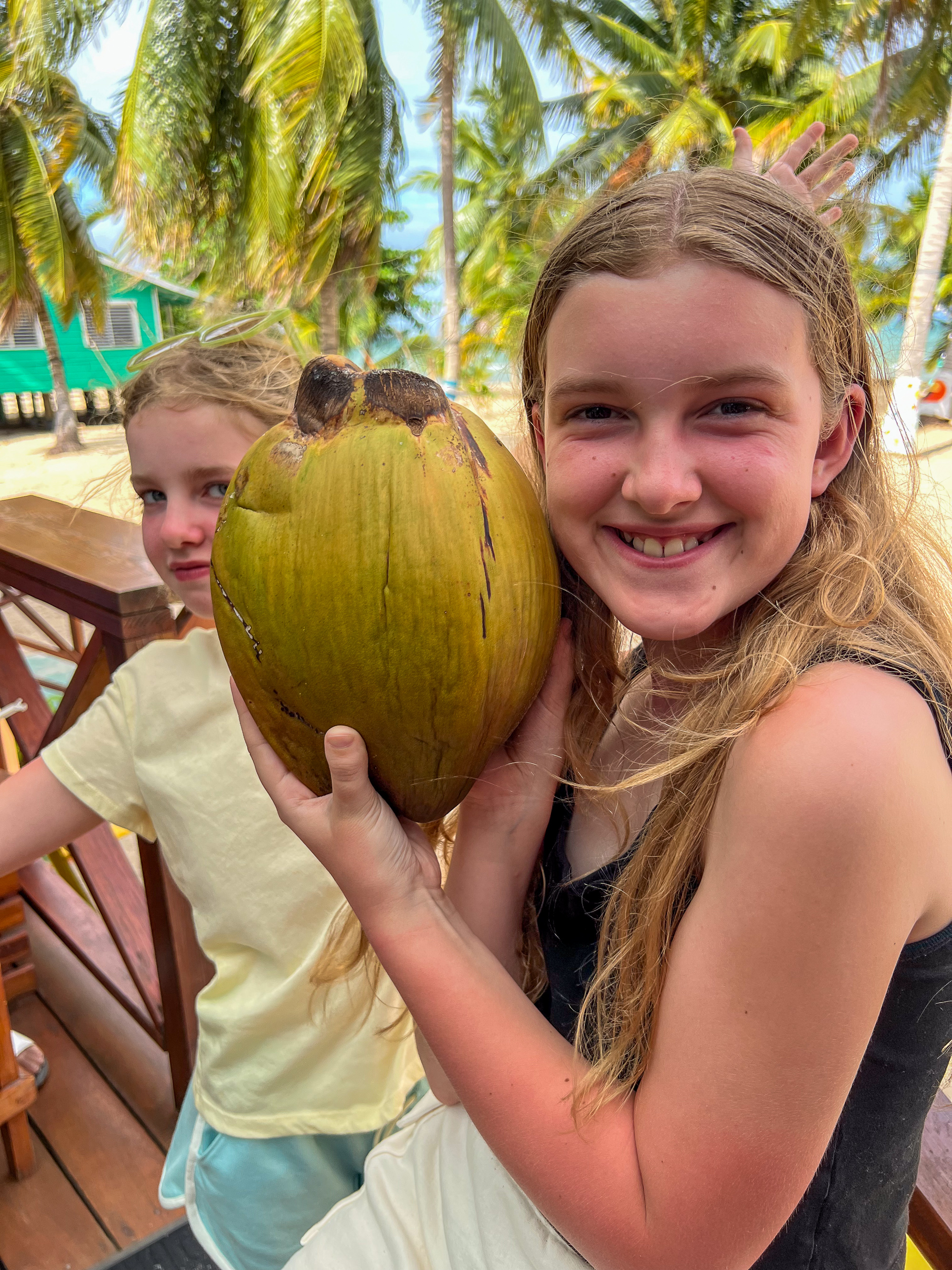
Sloane wanted to adopt this coconut, but failed to convince us.
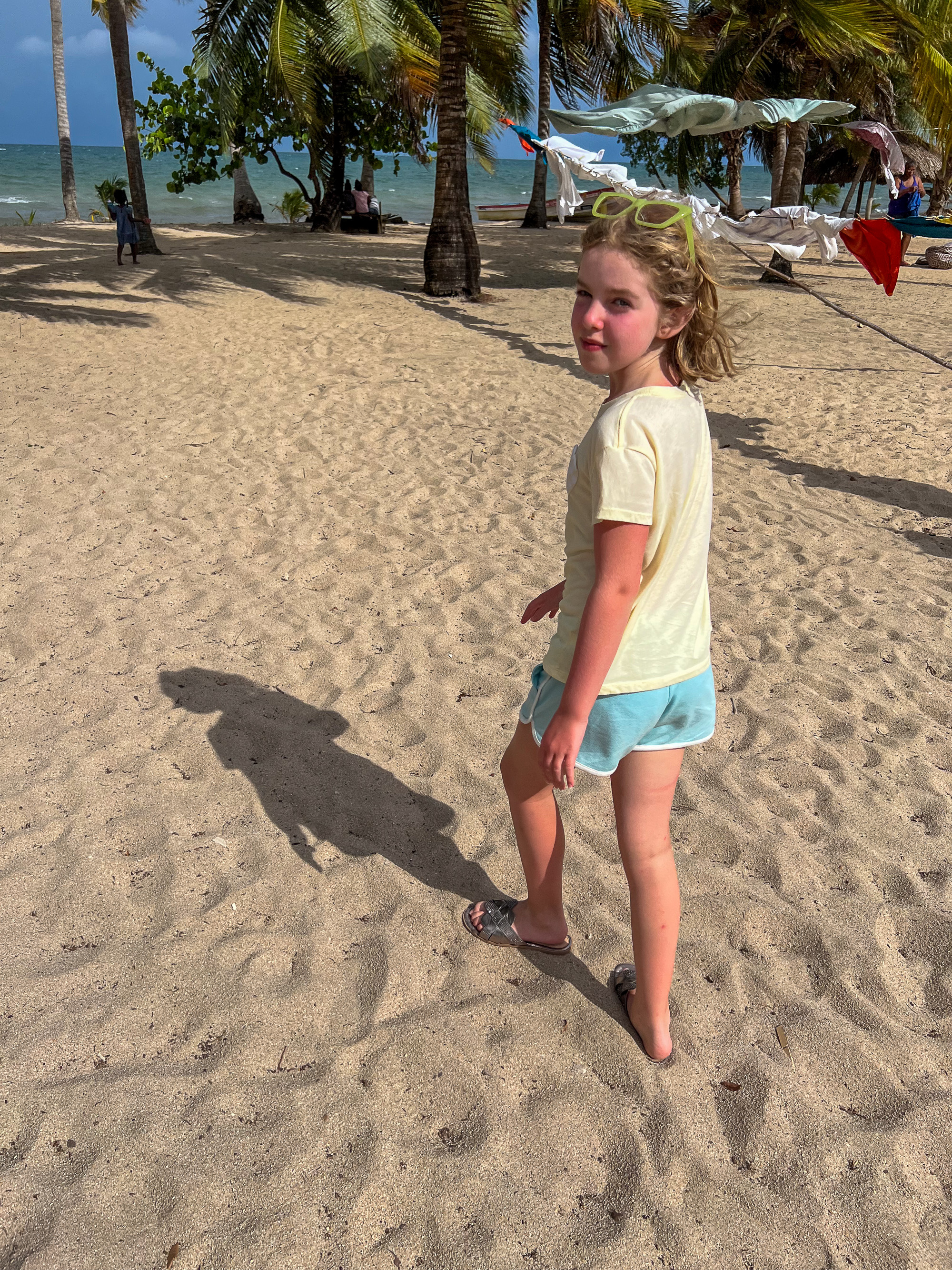
Imogen striding across a beach in Hopkins
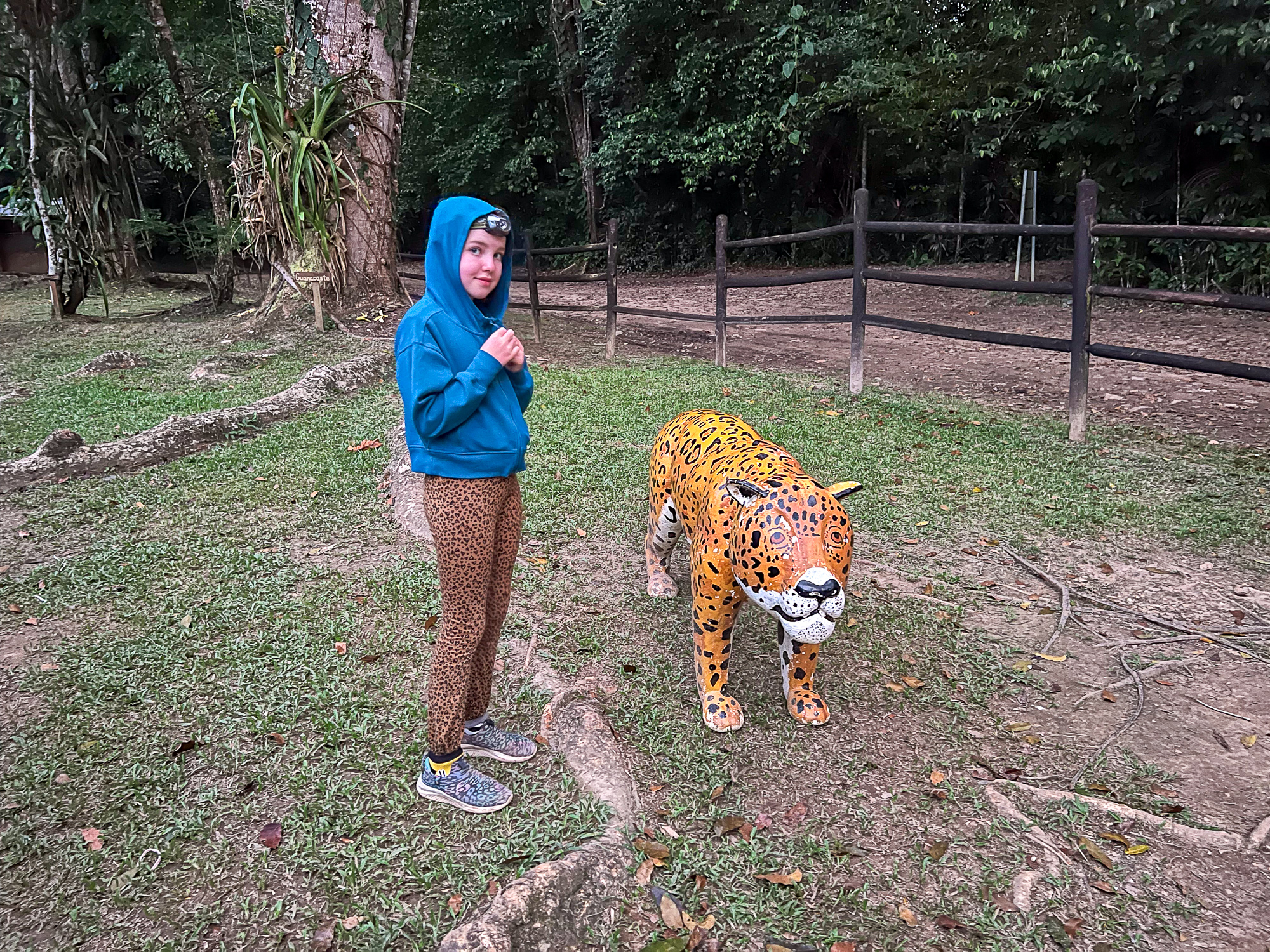
Imogen & I headed out on a night hike in Cockscomb Basin Wildlife Sanctuary. This was the only jaguar we found on the trail - but there was interesting wildlife to come...
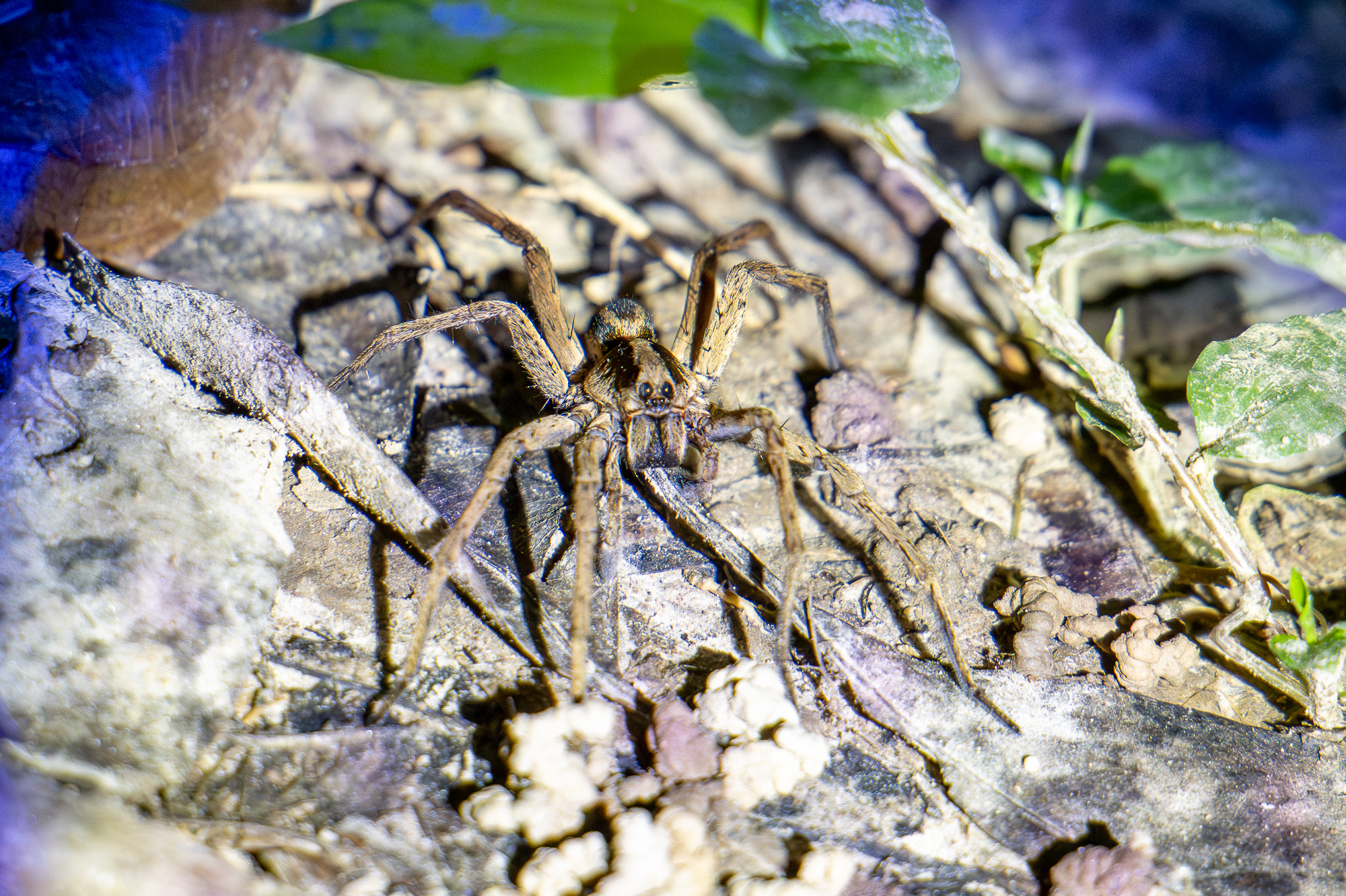
We went for a night walk in Cockscomb Basin Wildlife Sanctuary. These wolf spiders were everywhere. We also saw a couple of species of tarantula so the hike was not for the arachnophobic!

A mayan coralsnake - one of North America's most venomous snakes. They are also very docile though and this one just quickly moved across the path and in to the jungle.
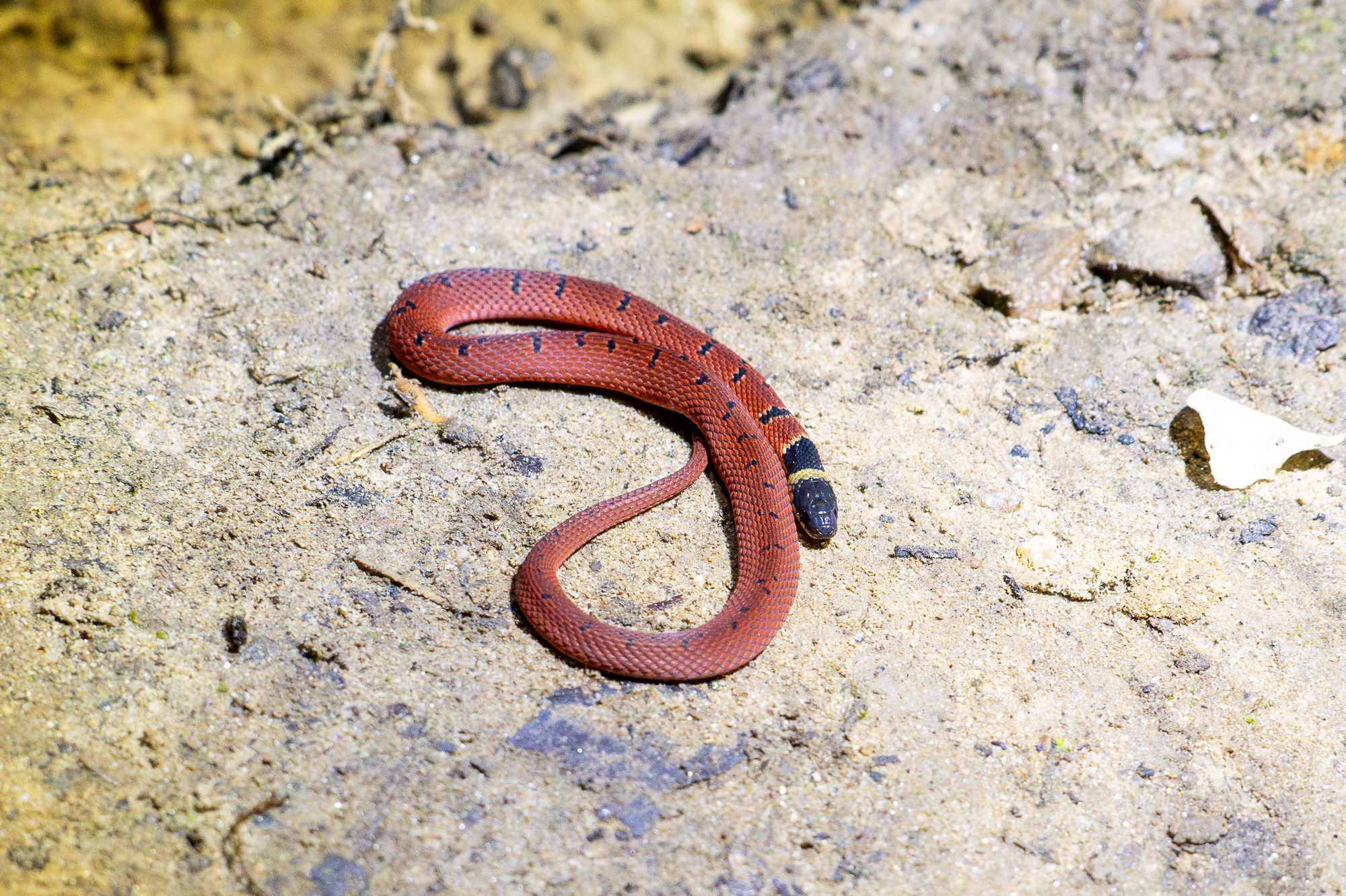
This red coffee snake is completely non-venomous, but uses its similar colour scheme to the coral snake to dissuade predators.
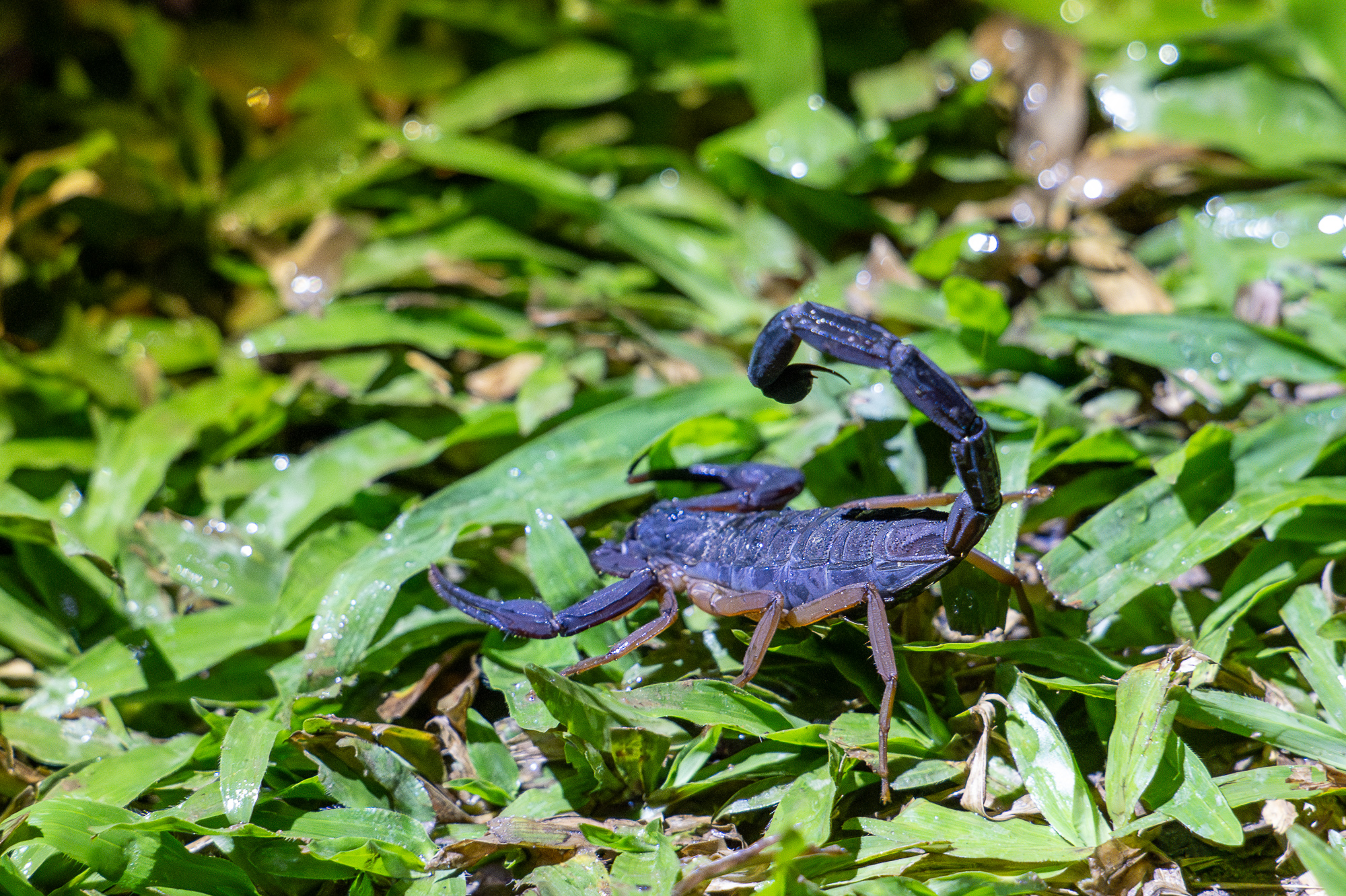
Despite its purple hue, this is a slender brown scorpion.
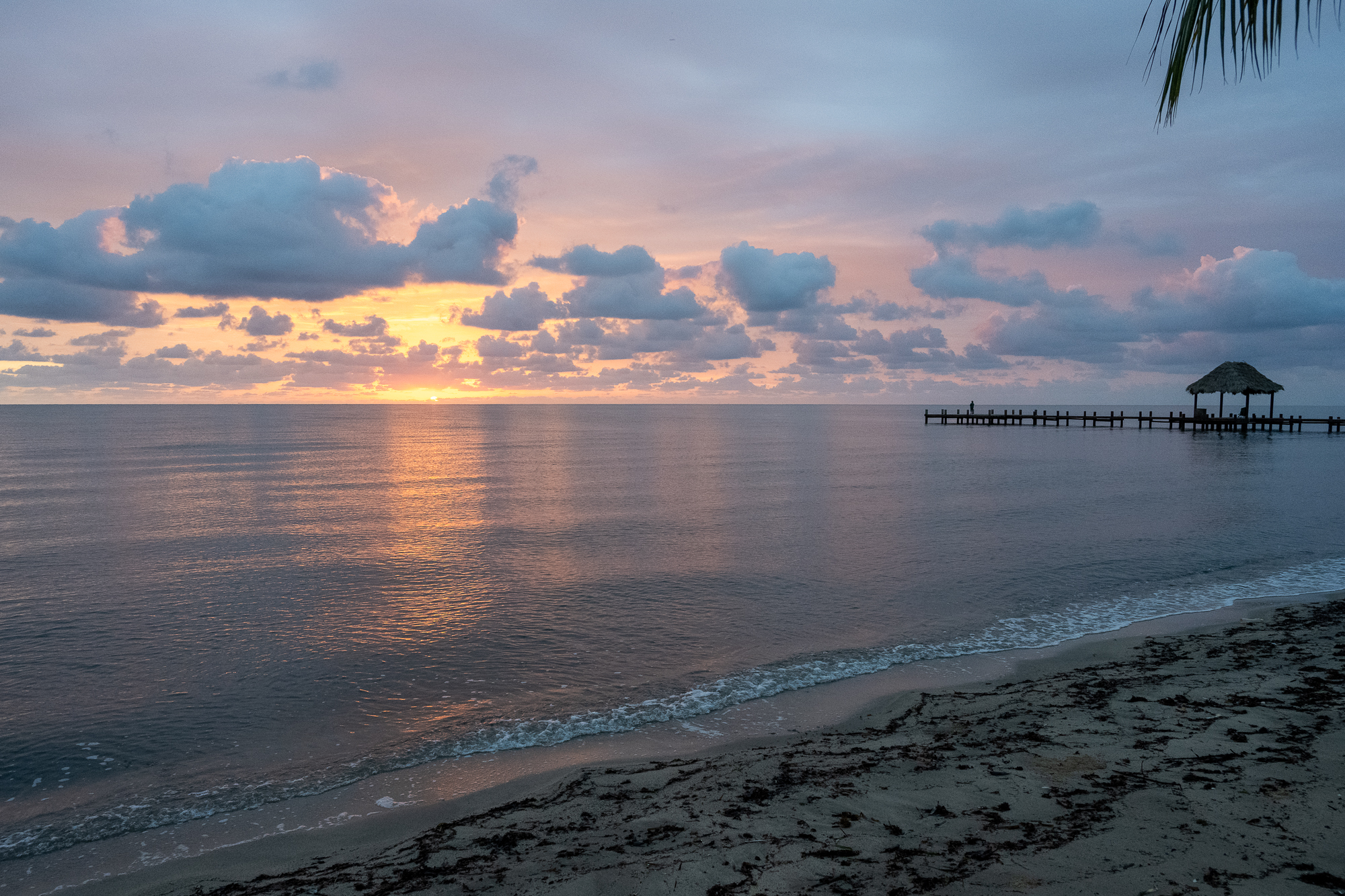
A final Belizean sunset before we headed home